Get Full Government Meeting Transcripts, Videos, & Alerts Forever!
Get email alerts on the Waterways Protection topic
No spam. Unsubscribe anytime.
Committee advances S.167 to fund removal of abandoned vessels with $3 watercraft fee
Summary
Senate Bill 167 would create a fund for removing abandoned vessels and marine debris, financed by a $3 fee on watercraft assessed on annual property tax bills. The committee voted unanimously to give S.167 a favorable report after testimony from a former National Park Service official.
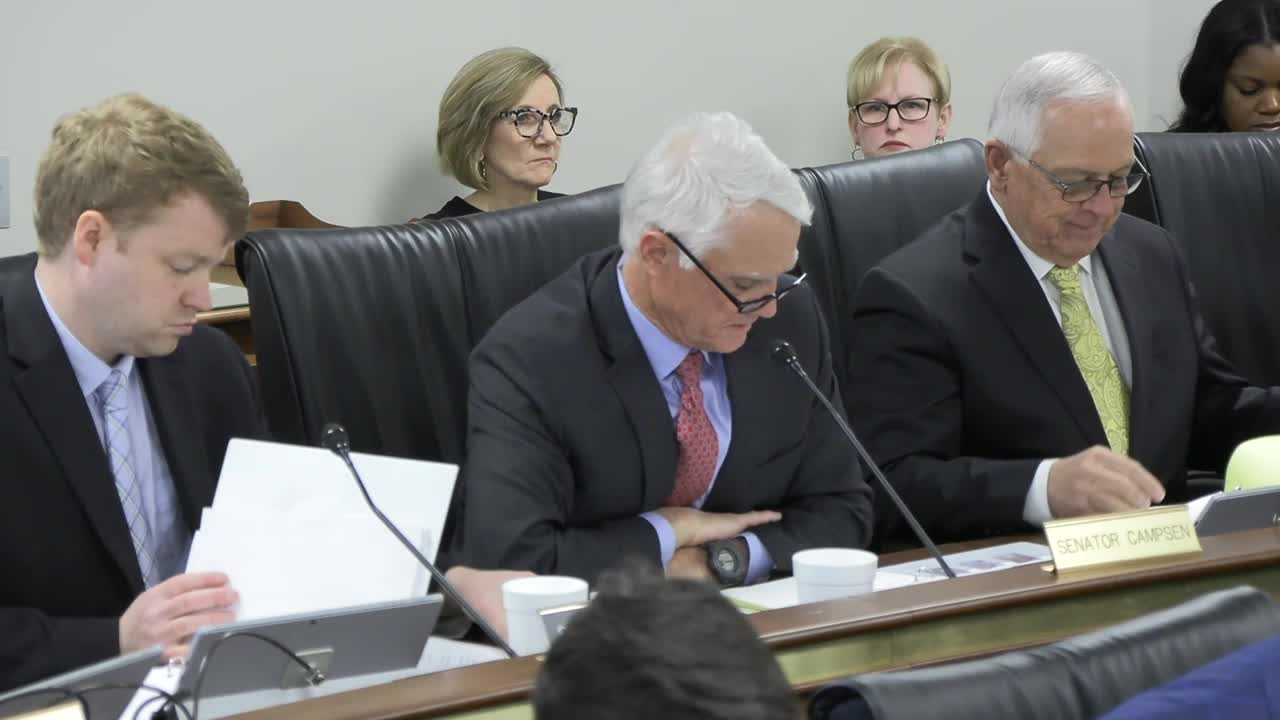
The Senate Fish, Game and Forestry Committee gave a unanimous favorable report to Senate Bill 167, the South Carolina Waterways Protection Act, which would establish a dedicated fund to remove abandoned vessels and marine debris and to mark hazards to navigation.
Under the bill as explained to the committee, a $3 fee would be assessed on watercraft as part of the annual property tax bill to generate revenue for the removal fund. Committee members and witnesses described rising numbers of abandoned and derelict boats as hazards to navigation, eyesores and risks to water quality and public‑trust resources.
Rick Dawson, who said he ran a damage‑assessment and restoration program for the National Park Service, testified on best practices and legal tools used to recover costs and restore resource values. Dawson described the problem as widespread and costly: abandoned boats leak pollutants, reduce water quality and deprive the public of resource services. He said his unit pursued civil claims for restoration and could, in some cases, recover costs; criminal prosecution depended on proving intent. Dawson also described an approach used in his program to protect recovered funds from appropriation.
Committee members asked about enforcement and owner identification. Dawson said it is often difficult to identify owners: in his experience he could identify owners for commercial vessels roughly 65% of the time but for private vessels less than 20% of the time. He and committee members discussed a separate future bill to streamline seizure and designation of derelict vessels (for example, posting notice and providing a 20–21 day window before removal) so the state can act more quickly when an abandoned boat presents a hazard.
The committee recorded no opposition and moved S.167 forward by unanimous vote. Members said the funding mechanism was necessary before lawmakers could fully refine enforcement and owner‑liability provisions in subsequent legislation.
The bill text and implementation details remain subject to further drafting; witnesses and senators asked staff to return with proposals on owner‑identification methods, potential insurance or civil recovery pathways, and how to ensure the fund is used to restore public trust resources.