Get Full Government Meeting Transcripts, Videos, & Alerts Forever!
Get email alerts on the Wetlands Protection topic
No spam. Unsubscribe anytime.
Advocates press Senate to protect Carolina Bays, wetlands and consider managed re-impoundment
Summary
Conservationists told senators Carolina Bays and other wetlands are critical for biodiversity, flood storage and carbon capture and urged the legislature to adopt protections and consider managed wetlands restoration and re-impoundment of defunct rice fields.
Speakers at the Senate Fish, Game and Forestry briefing urged lawmakers to act to protect Carolina Bays and other wetlands, and to consider restoration and managed re-impoundment of defunct rice fields to increase flood storage, biodiversity and carbon sequestration.
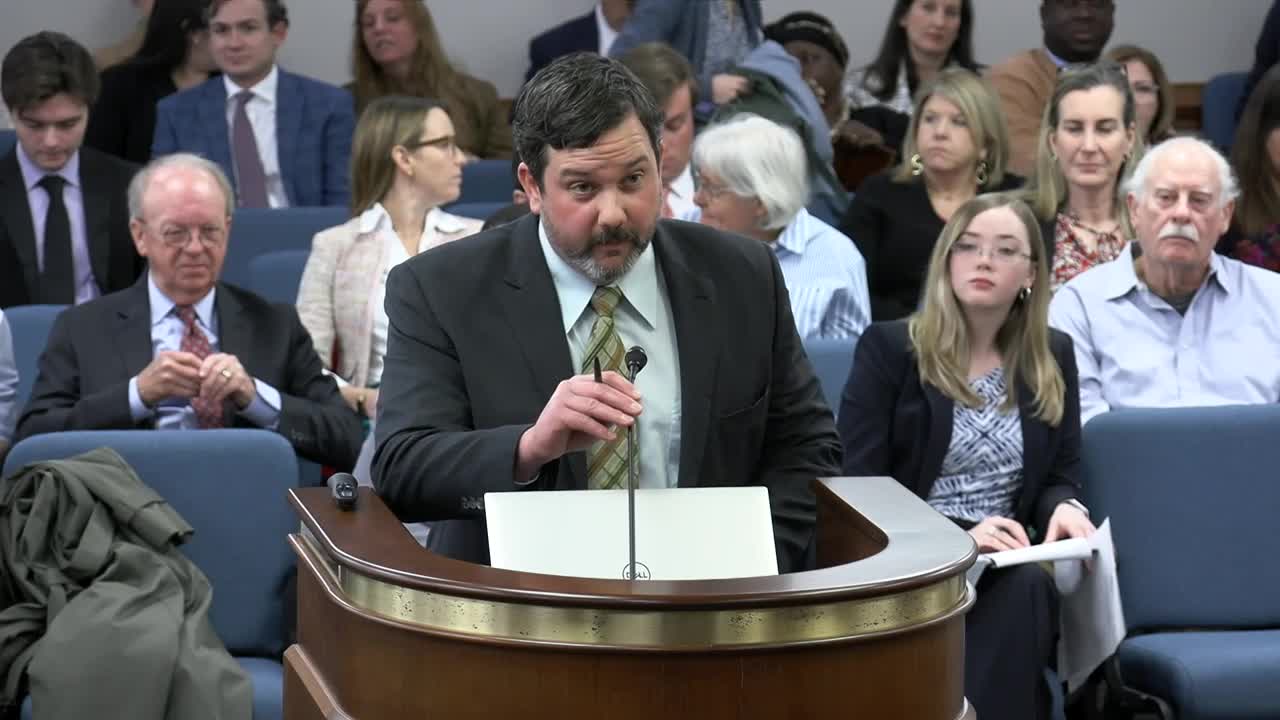
Trapper Fowler, North Coast deputy office director for the Coastal Conservation League and a certified wildlife biologist, described Carolina Bays as unique elliptical wetlands concentrated along the Eastern Seaboard, with the highest density in Horry County. Fowler said bays act as sponges, retaining rainwater and slowly releasing it, and that they host rare plants and important wildlife habitat.
"These are very important yet undervalued wetlands," Fowler said, adding that many Carolina Bays have been drained, altered or filled. He urged the committee to support direct protection of bays and to consider wetland buffers statewide. Fowler tied wetlands protection to public safety and infrastructure, noting EPA estimates — cited in testimony — that an acre of wetland can hold large volumes of floodwater and that protecting wetlands can reduce flood insurance premiums through improved Community Rating System scores.
Senators and witnesses also discussed managed wetlands and the potential to re-impound historic rice fields along the coast. One senator noted research showing managed wetlands can be substantially more productive than unmanaged wetlands and cited benefits including carbon capture and wildlife habitat. The senator said the Department of Environmental Services is studying defunct rice-field re-impoundment under a proviso passed last year.
Speakers asked the legislature to use the South Carolina Office of Resilience’s upcoming study on vulnerable wetlands and to provide statutory protections for isolated wetlands in light of the U.S. Supreme Court’s Sackett ruling, which changed the federal definition of Waters of the United States.
Advocates offered to share model language and state examples for wetland buffers and protections; no bill text was adopted during the briefing.