Get Full Government Meeting Transcripts, Videos, & Alerts Forever!
Get email alerts on the Construction Defects Statute Of Repose topic
No spam. Unsubscribe anytime.
Homeowners and builders warn S.244 construction-defect language could block claims after statute of repose
Summary
Stakeholders warned a proposed change in S.244 could narrow the exception to South Carolina's eight-year statute of repose for construction defects, potentially leaving homeowners and public entities without recourse for latent defects discovered after completion.
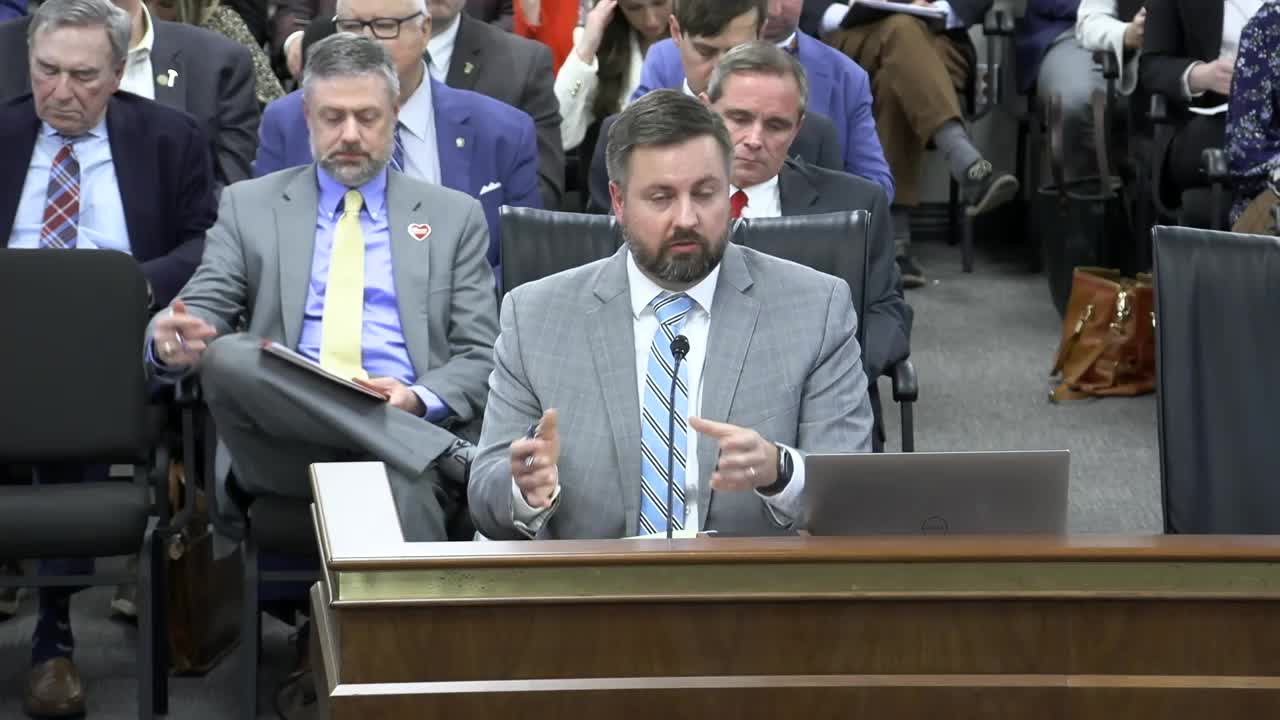
The Judiciary Subcommittee hearing on S.244 included focused testimony about proposed changes to how building-code violations relate to South Carolina's statute of repose.
John Hayes, a practitioner who represents homeowners and public institutions on construction-defect claims, told senators the bill as drafted could produce a "perfect house trap." Hayes said the change would require a showing of "personal injury or significant property damage" caused by a building-code violation before a plaintiff could sue after the eight-year repose period. He warned that many latent defects do not present observable damage until well after eight years and that insurers routinely deny coverage for defects discovered after a weather event.
Hayes asked senators to preserve the current exception, which treats a building-code violation as evidence supporting negligence and therefore an exception to the repose bar. He told the panel it would be impractical to require homeowners to tear open finished work to find hidden defects and said the proposed language would shift costs to homeowners, state agencies and taxpayers when institutions such as colleges and hospitals face repair bills.
Senators acknowledged the concern and asked the committee to bring technical experts to the next meeting to reconcile the construction-defect language with the repose exception so that the legislature does not unintentionally eliminate an established remedy for latent defects.
Ending: Lawmakers said they would invite construction-law experts, building-code officials and representatives of state agencies to the next hearing to refine the bill's drafting on the construction-defect exception.