Get Full Government Meeting Transcripts, Videos, & Alerts Forever!
Get email alerts on the Securitization topic
No spam. Unsubscribe anytime.
Subcommittee hears Duke request to speed storm-cost securitization for Hurricane Helene; ORS offers no formal objection
Summary
Duke Energy asked a legislative subcommittee to accelerate South Carolina’s storm-cost securitization process so the company can refinance roughly $500 million tied to Hurricane Helene using estimated costs, while consumer advocates and the Office of Regulatory Staff said they support further review of the proposed language.
Duke Energy and consumer advocates appeared before the Judiciary Subcommittee to request a technical change to South Carolina’s storm-cost securitization process that would let utilities move forward on securitization using estimated costs and shorten the timeline for issuing bonds.
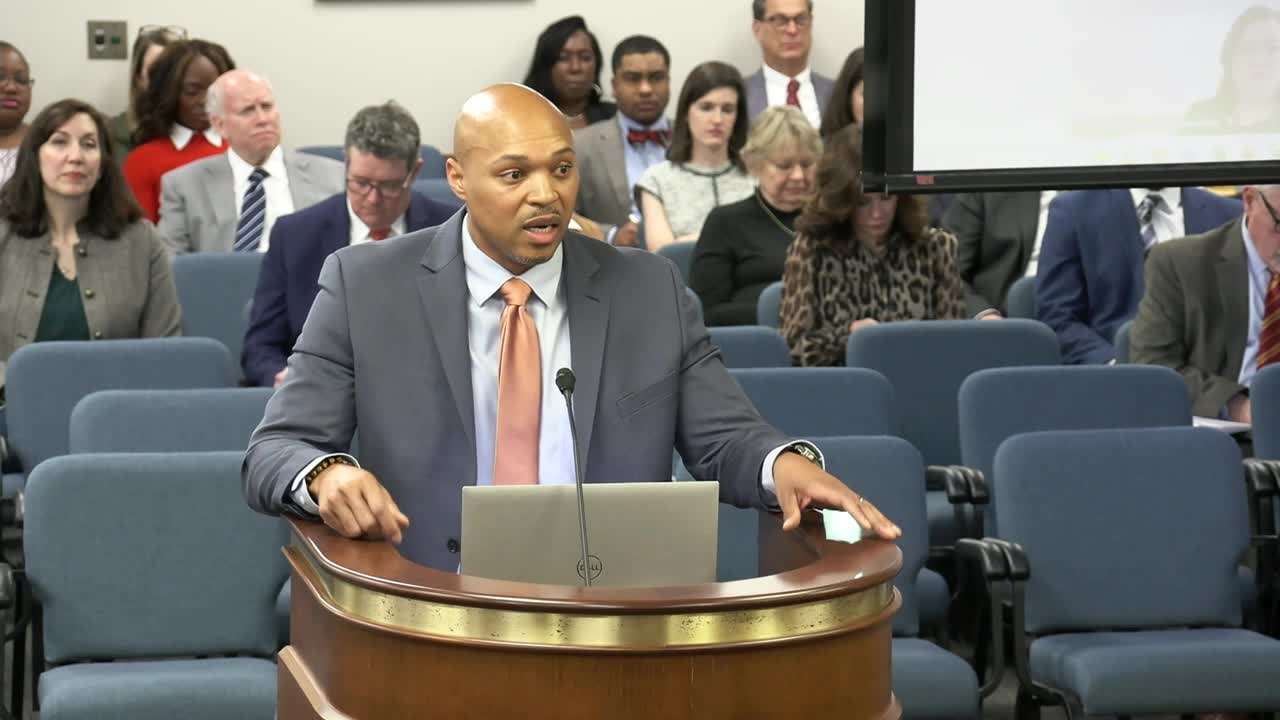
Tyre ("Tiger") Wells, representing Duke Energy, told the subcommittee Hurricane Helene in September produced roughly $500 million in storm-related costs for Duke’s South Carolina operations and remains on the company’s balance sheet. Wells said an amendment to the current securitization law would allow Duke to begin the process on an estimated amount and complete issuance in about nine months rather than the roughly 15 months the current timeline typically requires.
Why it matters: Duke said earlier securitization used after storms saved customers money in prior proceedings and that quicker securitization now would reduce the risk of a credit downgrade that could increase borrowing costs and ultimately raise customer bills.
Who spoke and what they said
Carrie LaGuard (identified in the transcript as a consumer advocate intervening at the Public Service Commission) told the subcommittee she and her organization helped in drafting suggested amendments and support the changes as drafted. LaGuard said the consumer-interest group previously participated in Duke’s 2022–24 securitization dockets and that the process saved customers in Duke Energy Progress territory.
Tyre Wells said Duke issued approximately $177 million in a prior securitization and estimated Hurricane Helene-related damages at about $500 million for South Carolina. Wells said the proposal would still require PSC certification of quantifiable benefit and that any overestimate would have to be repaid with interest, creating an incentive for conservative upfront estimates.
ORS and oversight
Representatives of the Office of Regulatory Staff (ORS) told the committee they had no formal objection to the concept as presented and described ORS’s role in reviewing either securitization proposals or traditional rate-case recovery. ORS staff said securitization typically reduces cost by enabling a statutory recovery mechanism that markets view as lower-risk, and that ORS participates as a party before the Public Service Commission in such proceedings.
Questions and next steps
Senators pressed technical questions about the bill’s formulas for determining cost of capital, tax adjustments and whether the amendment expands the scope of recoverable costs beyond storm-related recovery. Tom Heath, identified as Duke’s corporate finance director, and Melissa Abernathy, Duke’s director of rates and regulatory planning, answered technical finance and recovery questions. Multiple senators asked for independent review and for ORS to weigh in on specific amendment language before the committee advances the bill.
No formal subcommittee vote was recorded on the securitization amendment during the session; committee leaders said they would carry the item for further review with additional input from ORS and other parties.