Get Full Government Meeting Transcripts, Videos, & Alerts Forever!
Get email alerts on the Comptroller Office Appointment topic
No spam. Unsubscribe anytime.
Committee advances constitutional amendment to make Comptroller General an appointed office; debate over taxing authority
Summary
A joint resolution that would let the General Assembly authorize the duties of the Comptroller General by statute and make the office appointed rather than elected was advanced; senators debated whether the authority to levy an ad valorem tax should vest in the governor or remain with the legislature.
The Senate Judiciary Committee advanced a joint resolution proposing a constitutional amendment to remove the Comptroller General from a list of elected officers in the state constitution and allow the General Assembly to define the office’s duties by law, effectively converting the post to an appointed position.
Sponsor Senator Camps said he has proposed a similar change for years and argued placing the comptroller within the executive’s appointment power is consistent with other states and with a stronger-executive model. "We're still going to meet the obligation," he said during the hearing, adding the item predated recent problems in the Comptroller General's office.
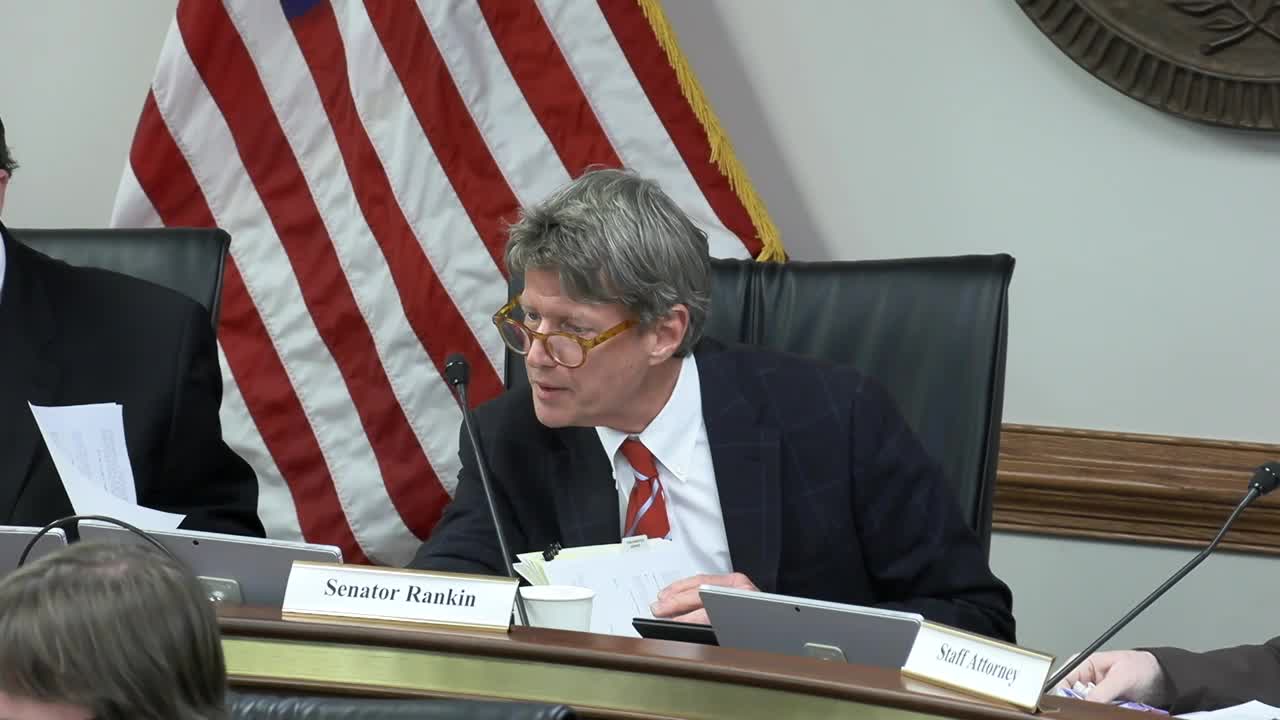
Committee debate focused on one discrete provision in the constitution that currently authorizes the comptroller to levy an ad valorem tax under extraordinary circumstances to ensure payment of principal and interest on general obligation debt. Senator Kimbrell offered an amendment that would vest that particular taxing authority in the General Assembly (or prompt the legislature to convene) rather than in a single executive official; he argued that a collective legislative decision is preferable to one individual's authority in such an extreme scenario.
Senator Charles (from Charleston) opposed moving the taxing power to the legislature, citing separation-of-powers and practical enforceability, noting a writ of mandamus can compel a single official to perform a ministerial duty but cannot be used to compel a deliberative body. Several senators discussed emergency powers and the need for a single executive to act in a crisis. Senator Johnson asked whether the first sentence in the constitutional provision reflects a legislative duty to appropriate revenue and a second sentence reflects an executive duty to carry out payment; some senators asked for testimony on potential credit-market impacts.
Senator Kimbrell withdrew his amendment after floor discussion but said he stood by the principle. The committee subsequently voted to favorably report the constitutional amendment resolution to the floor by voice vote with no opposition.