Get Full Government Meeting Transcripts, Videos, & Alerts Forever!
Get email alerts on the Agritourism Ordinance topic
No spam. Unsubscribe anytime.
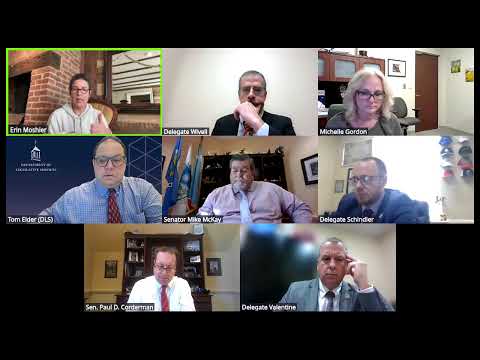
Farmer urges Washington County to update agritourism rules; delegation pledges to follow up
Summary
A local farmer told the delegation Washington County’s agritourism definitions and permitting hinder farm-based revenue; delegation members said they will coordinate with county counsel and the Board of County Commissioners to explore ordinance or legislative changes.
A Washington County farmer told the Legislative Delegation that county rules and definitions for agritourism are constraining farm businesses and reducing revenue from wedding bookings and events, and asked the delegation and county staff to help update local rules.
The speaker, who identified herself as the operator of a farm and wedding venue in the county, said she supports upcoming state changes to building-structure rules for farm stays but asked the delegation to pursue simpler, local fixes first. She said bookings “for weddings has plummeted” as new venues opened in neighboring counties and asked the delegation to consider adopting the state code’s broader agritourism definition, which includes recreational uses.
Delegation members asked whether the requested changes require state legislation or could be handled by county ordinance; the farmer said she believed the county could act by ordinance to adopt state code definitions. Washington County counsel Bruce Bariano told the delegation he would look into agritourism definitions and figure out whether county ordinance or state law is required.
Why it matters: Changing how agritourism is defined and regulated can affect farm income, local land-use decisions and planning-and-zoning approvals for farm stays, weddings and small on-farm events.
Next steps: County counsel will research whether the changes can be made by local ordinance and report back; delegation staff said they would coordinate with the Board of County Commissioners and the farmer to determine whether a state-level bill is needed.