Get Full Government Meeting Transcripts, Videos, & Alerts Forever!
Get email alerts on the Behavioral Health topic
No spam. Unsubscribe anytime.
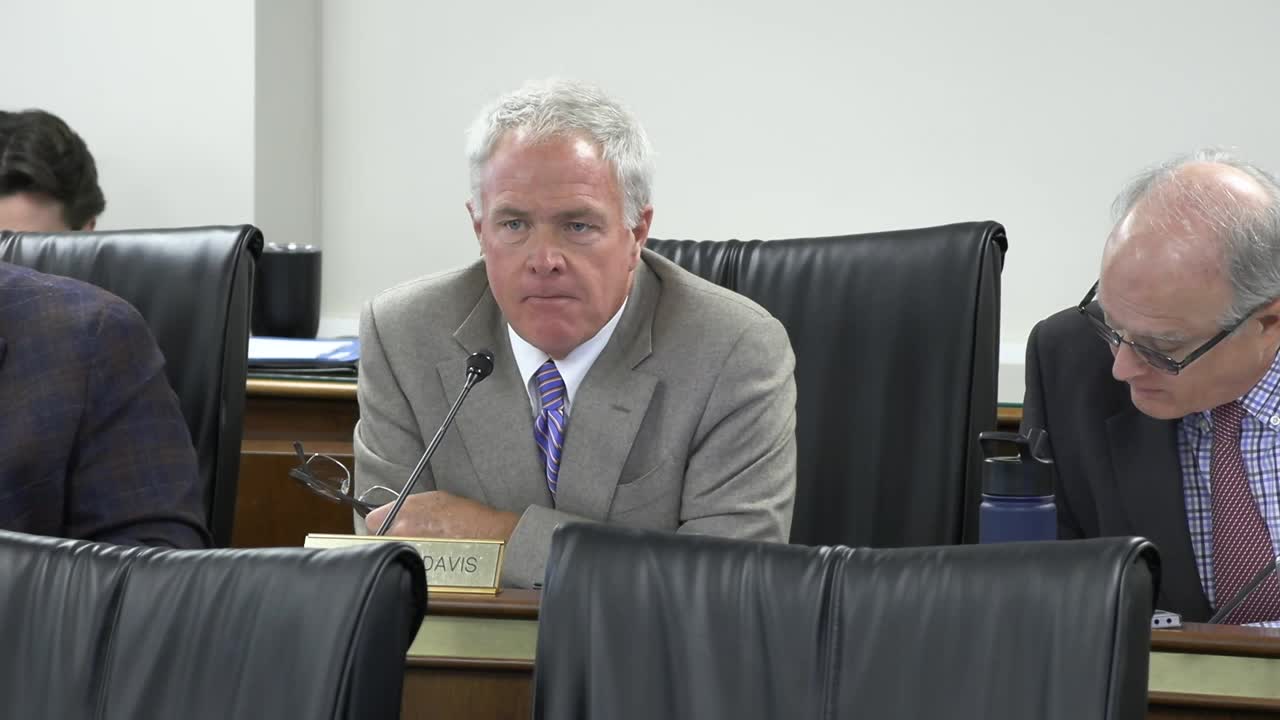
Senate subcommittee debates S.2 restructure of behavioral‑health agencies; medical‑freedom language draws public concern
Summary
The Senate Medical Affairs subcommittee heard testimony on S.2, the bill that would reorganize several state agencies that serve overlapping populations and that includes provisions addressing public‑health emergency powers.
The Senate Medical Affairs subcommittee heard testimony on S.2, the bill that would reorganize several state agencies that serve overlapping populations with mental‑health, substance‑use and developmental‑disability conditions and that includes provisions addressing public‑health emergency powers.
Mara Jones, executive director of the Alpha Behavioral Health Center and president of the Behavioral Health Service Association of South Carolina, told the committee the association supports careful integration but asked the panel to ensure continuity of services for prevention, treatment and recovery. She noted the association represents 31 agencies serving 46 counties and said last year they provided treatment to about 42,500 people with substance‑use disorder in the state. Jones recommended that the statutory planning language (she referenced “section 44 12 4 40”) prioritize substance‑use prevention, treatment and recovery support, and urged inclusion of behavioral‑health definitions in “section 44 20 30.”
Public commenter Heather Teichman said she worried S.2 would retain or introduce undefined terms—such as “symptomatic” and “exposed”—in provisions about isolation and quarantine (she cited “sections 20, 21 and 22”) and asked why Title 25’s limit on emergency duration was changed. Teichman asserted that some informed‑consent language would only apply to “indemnified products” and raised a single‑subject constitutional concern about sections 15–24 being unrelated to other portions of the bill. She characterized parts of the measure as enabling “an unelected health czar.”
Committee members responded during a broad discussion of policy and process. The chairman said the measure differs from prior restructuring proposals because it focuses on three agencies with overlapping client populations—he listed DMH, DDSN and another agency noted in testimony—and that subdivisions for each area would remain beneath the new cabinet structure. He and other senators said bringing the agencies under the governor’s cabinet would increase executive‑branch accountability by placing hiring and firing authority with an official subject to senate confirmation, and they invited stakeholders to provide redraft language.
Senators also debated whether the medical‑freedom provisions should remain inside S.2 or be separated into a standalone bill; one senator suggested the medical‑freedom language was placed in S.2 to surface concerns for committee discussion but said the committee could excise those sections later.
Ending: The subcommittee received written materials from behavioral‑health providers and public commenters, but recorded no formal votes. Committee members said they would continue the conversation with stakeholders and staff before any amendment or floor action.