Get Full Government Meeting Transcripts, Videos, & Alerts Forever!
Get email alerts on the Education Drivers Education topic
No spam. Unsubscribe anytime.
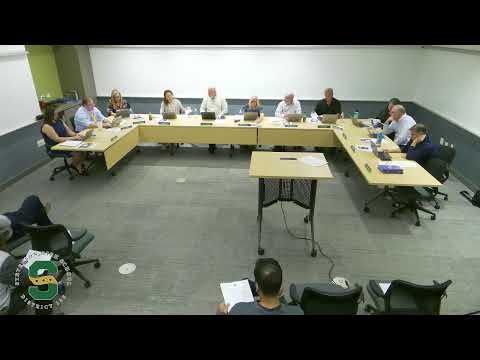
Stevenson drivers education team seeks state waivers, highlights simulator and stress‑management training
Summary
Teachers from Stevenson High School’s drivers education program presented classroom and behind‑the‑wheel practices, student feedback and asked the board to approve two first readings: a fee‑cap waiver and a simulator‑hour waiver to maintain current program operations.
Stevenson High School drivers education teachers presented the program’s classroom and behind‑the‑wheel approach and asked the Board of Education to consider two state waiver requests that would preserve the current program model.
The presentation, led by instructors Ryan Smith, Courtney Resin, Matt Hodge and Chad Dauphin, described a semester‑long course that combines classroom lessons, six behind‑the‑wheel hours per student and simulator sessions. Smith said the program teaches stress‑management skills in class and gives students “deep breathing exercises” and routines they can practice to reduce anxiety before driving. Courtney Resin described classroom activities intended to build belonging and connection for a diverse student body; Chad Dauphin said those classroom practices help students feel comfortable in the car even when an instructor drives a different rotation of student groups.
Why it matters: the district charges $350 for the course, above the state’s statutory fee cap unless the district obtains a waiver. Board members heard that a previous waiver from February 2020 will expire and that the district intends to reapply to permit charging the current fee. District staff also presented a separate request for a waiver allowing simulator hours to count toward students’ behind‑the‑wheel requirement.
Program details and classroom practice Teachers described daily practices and supports for multilingual learners (referred to in the presentation as MLL), partner translation and classroom introductions that map students’ home countries and travel experience to driving lessons. The instructors said about 21 percent of the current 154‑student class are classified as multilingual learners and that figure has risen substantially in recent years.
The instructors said they survey students before the first drive; one slide the team showed reported that 90 percent of students said they felt some level of anxiety before their first drive. After instruction in autonomic nervous system basics and coping strategies, the staff reported high positive feedback: 100 percent of surveyed students agreed with the coping strategies taught and 70 percent reported they planned to incorporate those techniques into their routine.
Simulator use and limits The staff described the school’s driving simulators as a safety and equity tool. They said the district purchased simulators several years ago and that state rules allow simulators to substitute for behind‑the‑wheel hours only with a waiver. Presenters explained that four hours on the simulator currently counts as one hour of driving time under the existing limits the district is seeking to preserve, and that students may use up to three hours of simulation toward the driving requirement. Teachers said simulators can help students who lack family access to practice vehicles and also give experience to students who have never sat in a driver’s seat before.
Student voices Two students who spoke during the presentation offered firsthand perspective. A student identified as Adam said the program was a “really positive” environment with “kind, caring instructors” who provided constructive feedback; another student said highway driving in a supervised, controlled environment and taking the licensing test at Stevenson made the licensing process less stressful.
Board action and next steps District staff told the board the two waiver requests—the fee cap waiver and the simulator‑hours waiver—were presented as first readings and will return for formal board action in November. The presenters said the $350 fee has remained unchanged for five years and that the waiver is necessary to keep the program financially viable without shifting costs to the general fund.
The board asked questions about passing rates, simulator pedagogy and program equity; presenters answered with program data and examples but no formal vote was taken on the waivers at this meeting.
Ending District staff said they will return in November with the formal waiver requests and related fee documentation. The drivers education team thanked the board and left board members with the student testimonials and program slides.