Get Full Government Meeting Transcripts, Videos, & Alerts Forever!
Get email alerts on the Outdoor Lighting Code topic
No spam. Unsubscribe anytime.
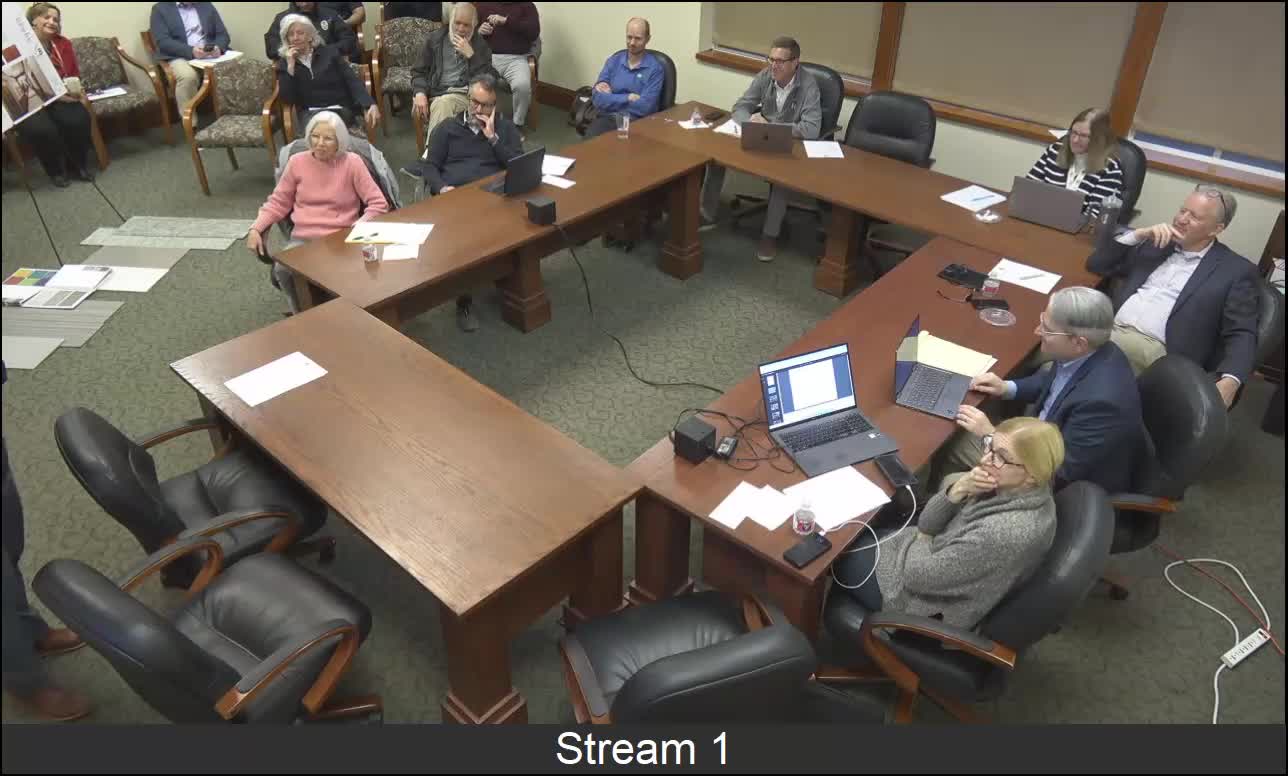
Council weighs new outdoor‑lighting rules and how to address nuisance lighting from new builds
Summary
Holladay planning staff told the Jan. 9 council work session they have two draft approaches to address growing resident complaints about light trespass and new exterior lighting: one approach would insert residential lighting limits in the existing zone chapters; the other would create a single, consolidated lighting chapter covering residential and commercial properties.
Holladay planning staff told the Jan. 9 council work session they have two draft approaches to address growing resident complaints about light trespass and new exterior lighting: one approach would insert residential lighting limits in the existing zone chapters; the other would create a single, consolidated lighting chapter covering residential and commercial properties.
Staff described the practical tradeoffs. The consolidated-chapter approach, staff said, "gives us an opportunity to take a look at how all properties are addressed together rather than, having to address specific standards, specific zones." The staff presentation said the consolidated approach would enable the city to set a single, clear set of fixture standards (full cutoff fixtures, Kelvin limits and maximum mounting heights), exemplars of compliant fixtures and consistent enforcement across zones.
Council questions focused on enforcement and existing nonconforming lighting. Staff said the preferred implementation path is to require new construction and remodels to meet the new standard while relying on nuisance enforcement for existing fixtures: "If it's existing lighting, we'd be recommending nuisance enforcement," staff said.
Several councilmembers and staff cautioned the council about imposing a requirement that would force every applicant to hire a lighting professional for residential projects. Planning staff said a professional plan is reasonable for commercial site plans but could be burdensome for homeowners. One staff member explained: "If there was a way to to make a more straightforward plan, then we could could address [the problem] because ... you can make the standard straightforward so that people aren't having to hire a lighting professional and you guys taking extra time."
Other discussion points
- Evidence and remedies: staff noted many complaints come from new builds or reconfigured properties where LED fixtures and higher Kelvin temperatures create glare across property lines. The planning division prefers standards that are verifiable by inspection (fixture cut sheet meeting Kelvin and cutoff specs) rather than subjective judgments.
- Enforcement cost: staff warned that nuisance enforcement investigations can require after‑hours inspections and administrative hearings; councilmembers asked for staff estimates of additional inspection time and staff workload.
- Draft ordinance path: staff recommended bringing a refined ordinance back to council for policy direction before sending consolidated language to the planning commission; several councilmembers agreed that the council should refine the policy direction first.
Outcome and next steps: Council did not adopt an ordinance. Members asked staff to produce a version that: (a) consolidates standards into a single chapter, (b) keeps residential review straightforward (fixture cut sheets, Kelvin and cutoff requirements rather than mandatory lighting‑professional plans), and (c) clarifies the nuisance‑enforcement pathway for existing nonconforming fixtures. Council also asked staff to return with examples (cut sheets, diagrams) and cost/time estimates for plan review and enforcement.