Get Full Government Meeting Transcripts, Videos, & Alerts Forever!
Get email alerts on the Resident Survey topic
No spam. Unsubscribe anytime.
Consultants review proposed resident survey questionnaire; council requests trimming and prioritization
Summary
Outwise General X and city staff presented a draft resident survey covering quality of life, services, housing, public health and emergency preparedness. Council asked consultants to shorten the questionnaire, prioritize core questions for longitudinal tracking and return with a trimmed instrument and timeline for fielding and reporting.
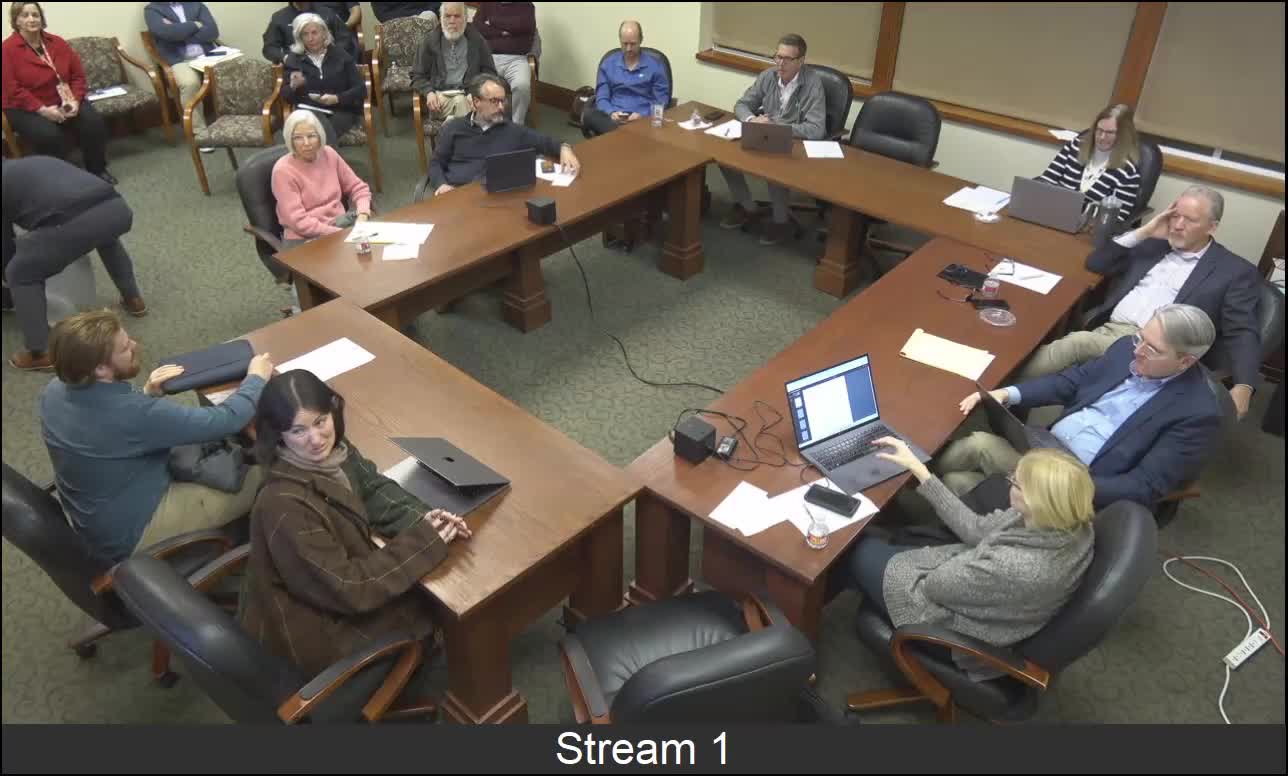
City consultants outlined the draft 2025 Holladay resident survey during the Jan. 9 council work session and asked for council direction about length and priority questions.
Ethan, director of research at Outwise General X, reviewed the front‑end measures that the city will keep longitudinally and described new question blocks added for this year: business‑type preferences, streetlighting quality, barriers to transit use and public‑health concerns. He said the survey "still has what do you like most about Lindenwink holiday, but we added a question to try and get at sort of what values or things residents point to that make holiday unique or distinct from other communities along the Wasatch Front." (quote paraphrased for clarity here; Ethan described the new question wording during the presentation.)
Why it matters: the survey supplies the council with a representative, longitudinal measure of resident sentiment that staff use for budget prioritization and to guide city communications and outreach.
Key council concerns and staff responses
- Length and completion rates: consultants said the draft would take about 15–18 minutes and recommended trimming 5–6 questions to improve completion. "Ideally, we're staying around 15," the consultant said; staff noted partial responses would still be included in analysis.
- Demographics and representativeness: councilmembers pressed on why demographic questions (age, income) were necessary. Consultants explained those fields are needed to weight the sample and ensure results represent the city's population.
- New topics vs. longitudinal tracking: councilmembers asked which new sections could be deprioritized. The consultants suggested removing the "clubs and groups" block and restoring a sustainability block instead; the council asked consultants to return with candidate question deletions to meet a 12–15 minute completion target.
- Timing and publication: staff proposed launching invitations after a closely related general‑plan survey closes. Consultants proposed sharing results at the first council meeting in April and confirmed partial responses will be retained for analysis.
Next steps: consultants will propose a trimmed questionnaire that preserves the survey's longitudinal core (the quality-of-life front battery) while removing or collapsing lower‑priority blocks to achieve the council's target duration. Staff will schedule a follow-up work session to review the shortened instrument and confirm fielding dates.
Ending: No formal action was taken; consultants will return with a revised questionnaire and timeline.