Get Full Government Meeting Transcripts, Videos, & Alerts Forever!
Get email alerts on the FOG Inspection topic
No spam. Unsubscribe anytime.
Plano reiterates grease-trap rules and inspection steps for food-service businesses
Summary
A City of Plano environmental official summarized the city’s Fats, Oils and Grease (FOG) inspection program, outlining permit, servicing and recordkeeping requirements tied to the city’s liquid waste management ordinance and the measurement standard inspectors use to judge compliance.
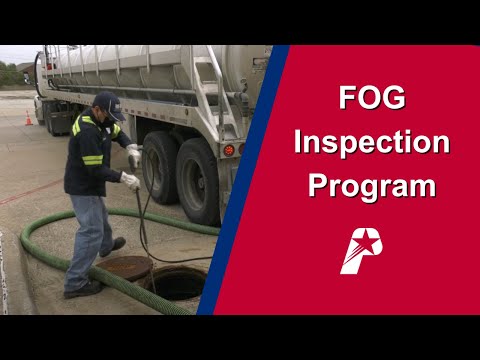
Katie Masucci, with the City of Plano’s Environmental Health and Sustainability Department, summarized the city’s Fats, Oils and Grease (FOG) inspection program and the requirements businesses that operate grease traps must meet.
The program “began in 2018 with city council's approval of Plano's liquid waste management ordinance,” Masucci said, and is intended to prevent fats, oils and grease from entering sanitary sewer lines and causing sanitary sewer overflows (SSOs). “An SSO is an unauthorized discharge of raw sewage into the environment,” she said.
The program matters because when FOG accumulates in sewage lines it can clog pipes and force raw sewage out of the nearest opening — including manholes or into buildings — causing environmental damage, property harm and public-health risks.
Under the city’s requirements, every grease trap must have an active City of Plano liquid waste generator permit. If a site has multiple traps, each trap must have its own permit and an annual fee applies for each trap on site. Masucci said grease traps must be serviced by a City of Plano–permitted waste hauler at least every 90 days and that the trap must be fully evacuated during that service.
Businesses must retain three years’ worth of liquid waste transportation trip tickets on-site and make them available to inspectors on request. Masucci noted the trip tickets are provided by permitted haulers and will be labeled “liquid waste transportation trip ticket” with the Plano logo.
Plano uses separate inspections for food-safety and environmental compliance: environmental health inspectors will request the last three years of trip tickets during routine inspections but will not open or evaluate traps during that visit. The environmental quality division’s inspector will verify servicing frequency, inspect trap condition, measure trap contents and take photographs.
Masucci described the city’s compliance threshold: the combined sediment, fats, oil and grease in a trap must not exceed 25% of the trap’s total contents. If large solids or trash are observed, inspectors may recommend installing drain catchers. Inspectors will also review nearby storm-water issues, such as leaking dumpsters or grease on the ground, and will check manhole lids and clean-out caps before opening a trap.
After an inspection, the inspector will give the facility an inspection form indicating any corrective actions and associated deadlines. Masucci closed by saying the inspections are intended to be “quick and simple” and to protect homes, businesses and the environment from FOG-related backups and overflows.