Get Full Government Meeting Transcripts, Videos, & Alerts Forever!
Get email alerts on the Special Assessment Utility Fee topic
No spam. Unsubscribe anytime.
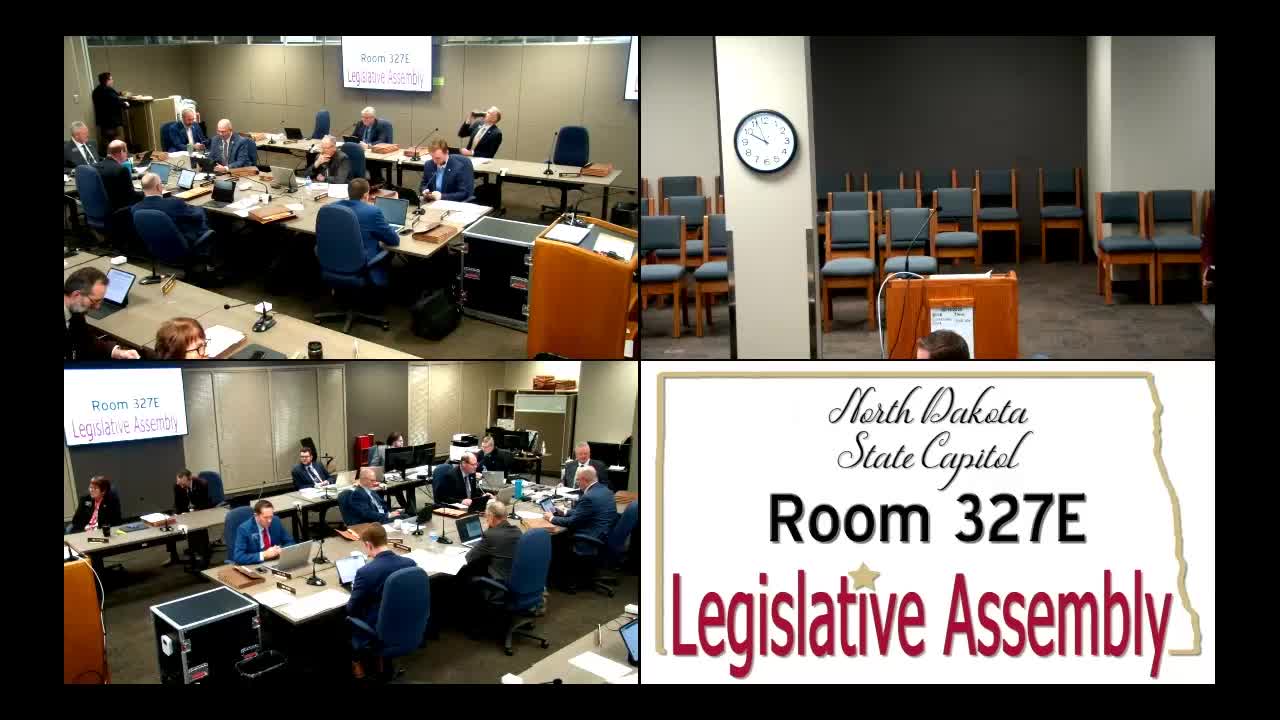
Committee amends House Bill 1389 to preserve protest rights and cap commercial utility fees; bill sent forward
Summary
An amendment to House Bill 1389 preserved public hearing and protest rights for special‑assessment‑style projects funded via a voter‑approved utility fee, and added a cap making commercial utility fees no more than twice residential rates; the committee approved the amendment and recommended the bill pass as amended.
Representative Porter offered an amendment to House Bill 1389 that would preserve citizen protest and hearing rights for project areas when a city or county elects to use a voter‑approved utility fee in place of traditional special assessments, and would limit commercial utility fees to no more than twice the residential rate.
Porter told the committee the amendment keeps the public‑input elements currently attached to special assessments and does not change how utility fees are collected; "What this amendment does is it maintains some of those citizen rights inside of a project area," he said, describing the public hearing and protest process and the cap on commercial rates.
Representative Steiner asked whether the proposal improperly constrained local control if a city believed it needed a higher commercial rate; Porter replied commercial property owners do not get to vote in those local referenda and added that guardrails were therefore appropriate.
The committee adopted amendment 01001 on voice vote and then approved a "do pass" recommendation for House Bill 13‑89 as amended. The roll call recorded on the transcript for the bill as amended was 11 yes, 2 no, 1 abstain (recorded as 11‑2‑1). Porter moved and Representative Olsen seconded the due‑pass motion.
During the discussion members clarified that the bill does not change levy caps and that the utility fee is a local tool voters could approve; Representative Doctor described it as "another tool in the toolbox" and said he expected limited statewide uptake because local voters must approve the change.
The committee carried the amended bill forward; members asked legislative staff and tax department staff to ensure statutory language and local‑control implications were clear for floor consideration.