Get Full Government Meeting Transcripts, Videos, & Alerts Forever!
Get email alerts on the Personnel Distracted Driving topic
No spam. Unsubscribe anytime.
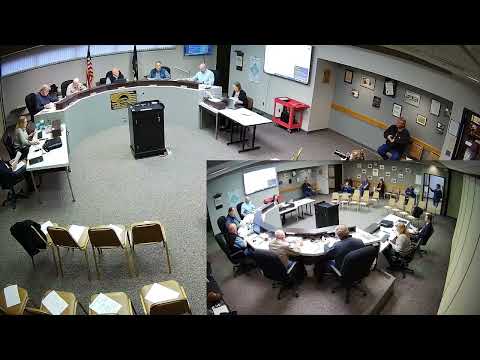
Scotts Bluff County adopts distracted-driving policy after debate over scope of phones covered
Summary
The Scotts Bluff County Board of Commissioners approved a distracted-driving personnel policy after a lengthy discussion about whether the rule should cover private phones as well as county-issued devices; the motion passed 4-1.
Scotts Bluff County commissioners on Tuesday approved a new distracted-driving policy that bans use of handheld phones while operating county vehicles or county motorized equipment, after a debate over whether the rule should also explicitly cover personal cell phones.
The policy, proposed as Personnel Policy No. 1700.004, passed with four votes in favor and one opposed. The meeting record shows the lone no vote was by Commissioner Reising.
The measure creates a countywide rule that prohibits using a handheld cell phone while operating a county vehicle, whether the vehicle is in motion or stopped, and requires employees who must use a phone to pull over to a safe location. The policy also requires employees to turn phones off or to silent before operating county vehicles or motorized equipment and asks departments to change voicemail greetings to note unavailability while driving. The policy was presented to the board as immediately effective if approved.
Commissioners and staff spent most of the discussion on a sentence near the end of the policy that mentions county-issued cell phones while operating a personal vehicle. Several commissioners and staff said the phrasing could create a loophole by appearing to bind only county-owned phones, not personal phones used while driving a county vehicle. County staff and legal counsel said the broader wording earlier in the document — which applies to “any employee operating a county vehicle” — would cover use of a personal phone while the employee is operating county equipment, but several commissioners urged removing or rewording the clause to avoid ambiguity.
Jason (legal counsel) reviewed the language during the discussion and said he did not see a legal problem with the policy as written, but commissioners asked that counsel and the personnel board retain the ability to edit the language. Lisa (personnel director) told the board the draft was derived from materials provided by a safety organization and that the sheriff’s office provided its own telephone policy to remain as department-specific guidance; the draft specifically notes that sheriff’s department personnel will follow their agency operating procedure in addition to county policy.
Board members also discussed enforcement and review procedures for incidents involving injury or property damage; the draft names the county attorney, the department head, the safety director and the management accountant as reviewers of such incidents. Commissioners agreed the personnel policy board could refine wording after initial approval.
After a final vote the chair announced the motion carried 4-1. The board recorded that Commissioner Reising cast the lone dissenting vote. Commissioners said they expect legal counsel and the personnel policy board to review and, if warranted, tweak the wording to close the contested phrasing.
The board’s action followed roughly 18 minutes of discussion and questions from commissioners and staff about scope, enforcement and whether the sheriff’s department policy should supersede or supplement the county policy.