Get Full Government Meeting Transcripts, Videos, & Alerts Forever!
Get email alerts on the Capitol Preservation Projects topic
No spam. Unsubscribe anytime.
Executive director updates commission on rotunda glass floor, digital model, windows, chandeliers and ceiling work
Summary
Rob Blackshaw updated the Michigan State Capitol Commission on multiple preservation projects — including a phased replacement of the rotunda’s 976‑piece glass floor and development of a secured three‑dimensional building model — and described timelines, safety and public‑access plans.
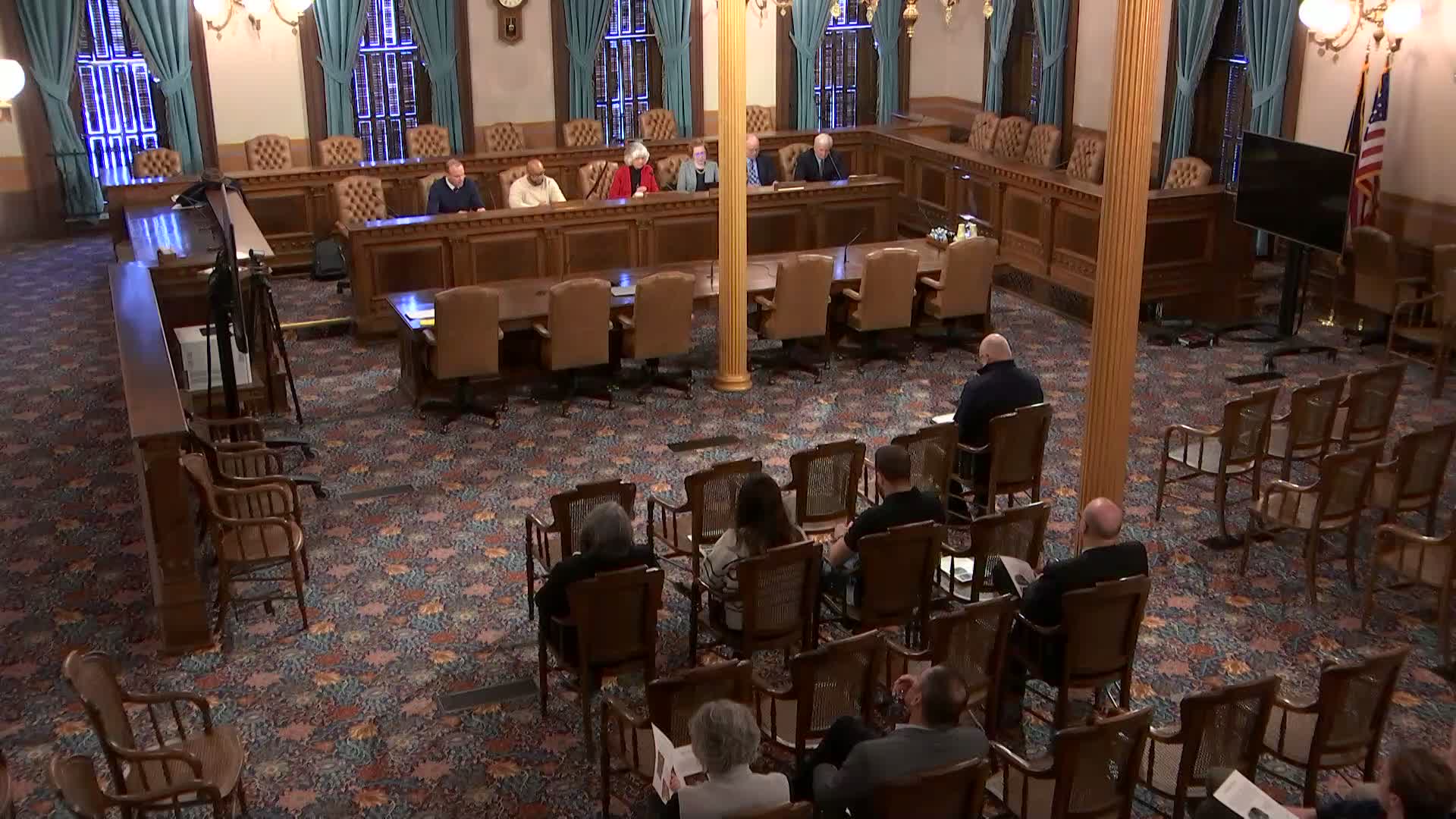
Rob Blackshaw, executive director of the Michigan State Capitol Commission, gave a multi‑topic update on Jan. 27 on preservation and public‑facing projects at the Capitol, emphasizing documentation, safety and continued public access.
Blackshaw said the rotunda glass floor project is starting in the coming weeks with vendor Lucid Glass Studio on site to coordinate logistics and install an initial mockup piece. The commission’s current glass floor contains 976 pieces, Blackshaw said, and the team expects to receive roughly 75 replacement pieces every six to eight weeks as the work proceeds in quadrant phases so most of the floor remains open to tours. A project tab on the commission website will be updated with photos, narratives and timelines.
Blackshaw described an expansion of documentation work across projects, including more registrars on project teams and recorded oral histories (more than 12 hours with a longtime staff member were cited). He also described the commission’s three‑dimensional historical building information model (HBIM), built with Autodesk, that staff are using to map mechanical systems, portraits and furniture histories. Blackshaw said the HBIM has drawn national attention; Mount Vernon was cited as another early adopter. Before public access is enabled, he said, the commission needs to add security measures and firewalls.
On visible preservation work, Blackshaw said the Governor’s Suite east windows — a ballistic‑style install from about 35 years ago — are being replaced because the interlayer between panes is deteriorating. He said chrysalis‑style logistics will be used to limit time that large cranes or removal work affects the site.
Blackshaw also reported plans to replace the chain falls and motors that hold the chamber chandeliers; those components were last replaced in 1974 and have been painted over, limiting inspection. He described the replacement as driven by safety and long‑term preservation needs.
Work on decorative painting on the fourth floor west side has been bid and is expected to mobilize in March with an aim to finish by Labor Day, Blackshaw said. The Senate chamber ceiling work is being planned for summer 2026; that project will include cleaning glass panes, repairing light panels and addressing the VESDA (very early smoke detection apparatus) fire detection system.
Blackshaw said the commission is seeking a new portrait conservation partner after the current conservator nears retirement; the commission plans a February site visit to Baumgartner Fine Art Restoration in Chicago. He also announced a public dedication, “New Keys to the Capitol,” featuring the donation and rededication of a Michigan‑manufactured Everett piano; Blackshaw said the short program is slated for this Friday at 10 a.m. and will include short performances.
Commissioner Hobbs asked how the HBIM will work for people who cannot visit the Capitol; Blackshaw said the model will allow virtual navigation like a video‑game interface but that it must first be secured behind firewalls and other protections before public release. Blackshaw also said the HBIM already helps staff narrow mechanical investigations and locate shutoff valves to reduce damage during leaks.
Commissioners praised the staff for preventive maintenance and outreach; Commissioner John Bowman said the Capitol and grounds are in the best shape he’s seen in decades and commended staff for preserving the building.