Get Full Government Meeting Transcripts, Videos, & Alerts Forever!
Kentucky panel reviews performance-based funding model, highlights gains and equity concerns
Summary
Officials from the Council on Postsecondary Education and state lawmakers reviewed the state's performance-based funding model for public colleges, noting improved completion rates and funding parity movement while lawmakers and a public commenter raised concerns about equity for low-income and underrepresented Kentucky students.
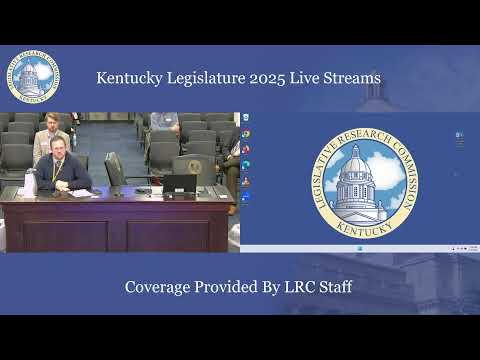
The Budget Review Subcommittee on Postsecondary Education heard a detailed briefing Tuesday on Kentucky's performance-based funding model for public postsecondary institutions and the changes made since the model's creation.
The Council on Postsecondary Education and university officials told members the model has helped reduce large funding disparities across institutions and increase degree and credential production, while some lawmakers and a public speaker warned the model still under-serves low-income and other underserved Kentuckians.
The briefing began with State Senator David Givens, Ninth Senate District, who recounted the shift from a simple "old shares" budget approach to a performance model and called the change a long-term investment. "When we think about what changes people's lives, education does that," Givens said, adding that the model was designed to prioritize student success and the state's "60 by 30" attainment goal. Givens said the model was developed in 2014'—2016 and implemented gradually amid tight budgets.
Aaron Thompson, president of the Council on Postsecondary Education (CPE), and CPE staff described how the model allocates all eligible institutional funds into component pools (student success, course completion, maintenance/operations, institutional support and academic support) and then distributes each pool to campuses based on metric shares. "We're now at 56.2 percent," Thompson said, referring to the state's progress toward the goal of 60 percent of Kentuckians holding a postsecondary credential by 2030.
CPE senior staff laid out the model mechanics and recent statutory and regulatory changes. Travis Powell, senior vice…
Already have an account? Log in
Subscribe to keep reading
Unlock the rest of this article — and every article on Citizen Portal.
- Unlimited articles
- AI-powered breakdowns of topics, speakers, decisions, and budgets
- Instant alerts when your location has a new meeting
- Follow topics and more locations
- 1,000 AI Insights / month, plus AI Chat