Get Full Government Meeting Transcripts, Videos, & Alerts Forever!
Get email alerts on the Youth Vaping topic
No spam. Unsubscribe anytime.
Youth advocates press Kentucky education committee for stronger enforcement of Tobacco 21 and retailer licensing
Summary
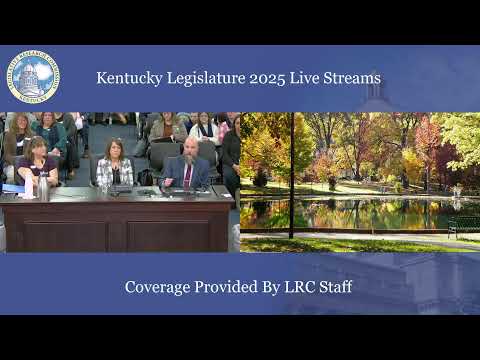
Members of the University of Kentucky's I Can End the Trend youth program told the Senate Standing Committee on Education the state must strengthen enforcement of the law banning nicotine sales to people under 21, require retailer licensing, and increase funding for compliance checks.
At a meeting of the Senate Standing Committee on Education, youth advocates from the University of Kentucky's I Can End the Trend program urged lawmakers to step up enforcement of the law that prohibits the sale of nicotine products to anyone under 21 and to adopt a retailer licensing system to curb youth vaping.
"One pod contains as much nicotine as 20 cigarettes," said Delaney Crump, a youth advisory board member for the I Can End the Trend program, describing how flavored e-cigarettes and marketing target young people and lead to addiction. Crump told the committee the group had brought more than 50 youth and adult partners to the hearing to press the point.
The group asked legislators to require annual compliance checks at retail outlets, increase funding for enforcement programs and to consider harsher penalties for stores that violate the age restriction, including loss of retail licenses.
Why it matters: The presenters said youth nicotine use is widespread and growing, and that enforcement gaps and marketing of flavored products are driving initiation and addiction among middle and high school students. They framed licensing and funded compliance checks as practical steps to reduce underage access.
The presentation drew committee response. Senator Jeff Hagen said "there's been a rumor" of a bill to license retailers and expressed hope it would move forward; Senator Steve Meredith suggested emphasizing economic benefits of reducing youth tobacco use, saying lower long-term health costs could win business support.
The advocates and their allies described national and state-level patterns during the five- to ten-minute presentation: they said nearly one in 10 middle school students and one in five high school students use e-cigarettes, that the tobacco industry spends billions to target youth, and that nicotine can permanently affect developing brains. Griffin Nemeth, a youth advocate with the program, said the group seeks enforcement of the existing age-of-sale law and establishment of licensing and compliance funding.
No committee action or vote was taken during the session following the presentation. Members asked for and received clarifications about pending or proposed legislation from the presenters, but the committee did not adopt any new directive during the meeting.
The committee chair thanked presenters and moved on to the next agenda item.