Get Full Government Meeting Transcripts, Videos, & Alerts Forever!
Get email alerts on the Property Tax Exemptions topic
No spam. Unsubscribe anytime.
Committee hears extension request for brownfield exemption, opens cargo‑container exemption hearing
Summary
The House Committee on Revenue opened hearings Feb. 6 on two property‑tax exemption sunsets: House Bill 2,075 to extend the brownfield development property tax exemption to 2023 and House Bill 2,076 on cargo‑container exemptions. Local government and redevelopment advocates urged extension while LRO said the exemption's fiscal impact is small.
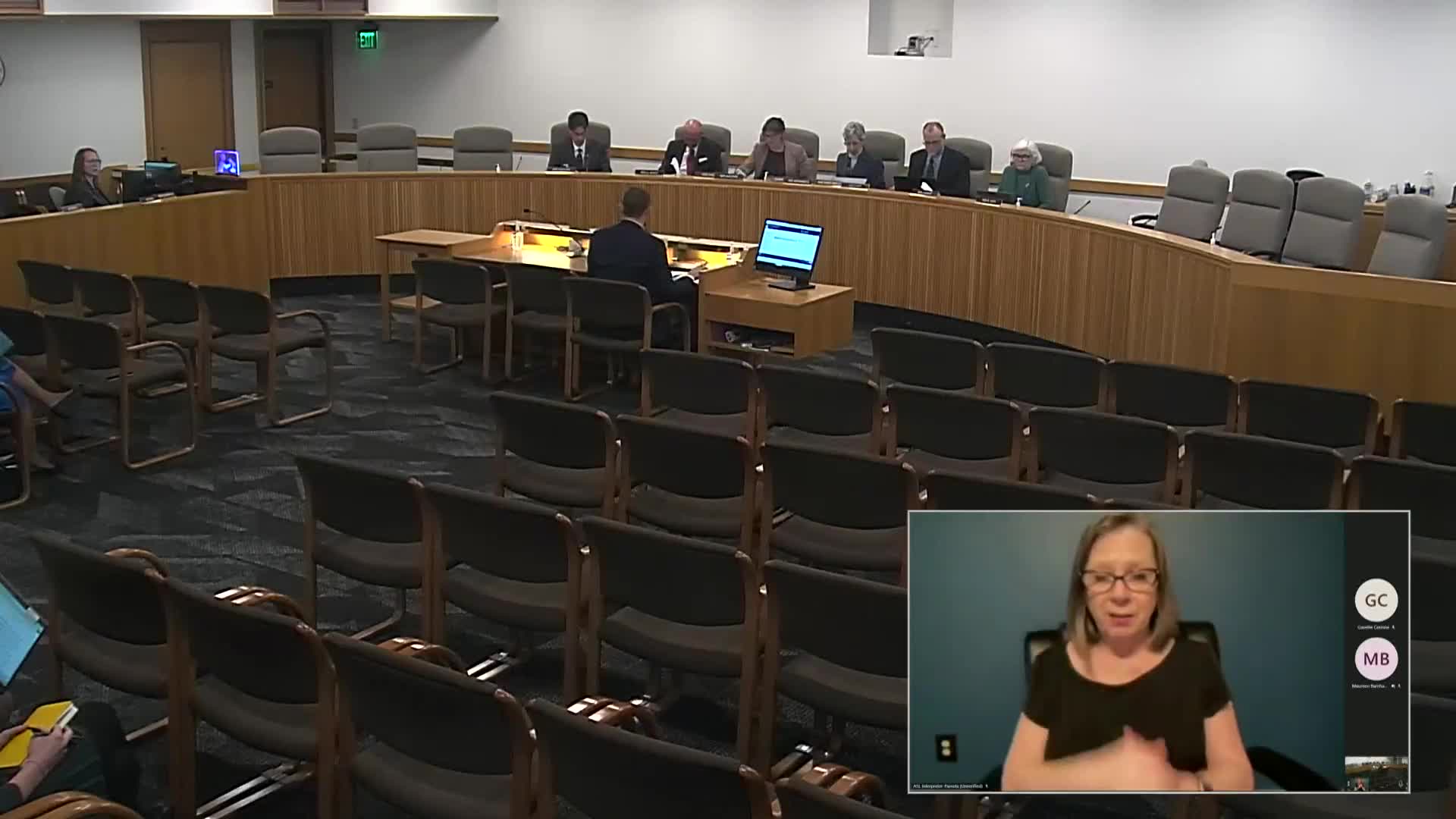
The House Committee on Revenue opened public hearings Feb. 6 on House Bill 2,075, which would extend the sunset for a property‑tax exemption used by local governments for brownfield redevelopment, and on House Bill 2,076, which would extend the cargo‑container property tax exemption. The Legislative Revenue Office gave a brief overview focused on the brownfield exemption; witnesses from local government and redevelopment organizations urged the committee to preserve the tool.
What the Legislative Revenue Office reported
Beau Olen of the Legislative Revenue Office told the committee that HB 2,075 extends the brownfield exemption sunset from Jan. 1, 2027 to Jan. 1, 2033 and that the exemption has a small fiscal footprint — less than $100,000 per biennium in the DOR tax‑expenditure report. He summarized the mechanism: cities, counties and ports may adopt ordinances to provide an assessment or partial/full exemption for improvements and personal property on eligible brownfield sites, subject to exclusions for superfund sites and centrally assessed properties. The exemption is a local option and typically requires participation across taxing districts.
Why proponents support extension
Rocky Dallen of the Oregon Economic Development Association (representing the Brownfields Coalition) summarized the program history and argued brownfield cleanup is capital‑intensive and that the exemption is one of a suite of state tools (including the Brownfields Redevelopment Fund) that helps troubled sites return to productive use. "The big component of Brownfields is that the cleanup cost is extensive," Dallen said, and he asked the committee to extend the sunset so local governments retain the option. Jenna Jones (League of Oregon Cities) and Annalisa Koehler (Metro) said brownfield tools are regularly oversubscribed and that cleaning contaminated sites creates jobs and protects communities; Metro emphasized protections to ensure property owners were not the polluters.
Cargo‑container exemption
The committee opened a parallel hearing on HB 2,076 to extend the cargo‑container exemption. No witnesses were present to testify on HB 2,076 during the Feb. 6 session. The committee noted that more detailed materials and data could be scheduled for a later meeting if members wish to consider the exemptions further.
Next steps
The committee closed the brownfield hearing at the end of the scheduled testimony and indicated it would schedule additional briefings if members request further analysis. LRO indicated the brownfield exemption has low current utilization but is an important local option for redevelopment.