Get Full Government Meeting Transcripts, Videos, & Alerts Forever!
Oregon Department of Energy’s 2024 biennial report flags rising peak demand, energy costs and planning needs
Summary
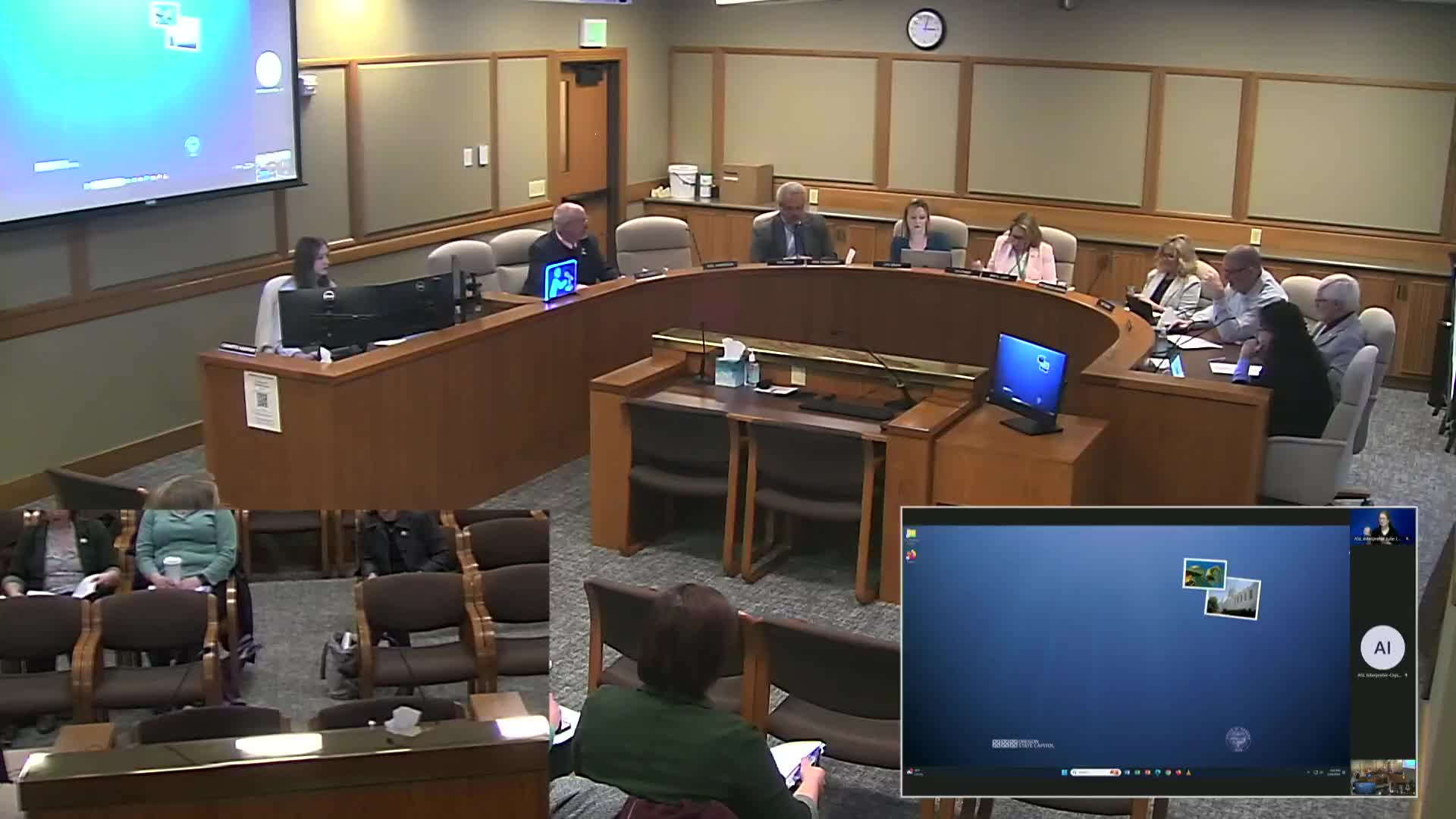
Co-chair Frederick and Co-chair Levy convened the Joint Ways and Means Subcommittee on Natural Resources on Jan. 30, 2025, to receive an informational briefing from the Oregon Department of Energy on its 2024 Biennial Energy Report.
Co-chair Frederick and Co-chair Levy convened the Joint Ways and Means Subcommittee on Natural Resources on Jan. 30, 2025, to receive an informational briefing from the Oregon Department of Energy on its 2024 Biennial Energy Report.
Janine Benner, director of the Oregon Department of Energy, told the subcommittee the report compiles statewide energy data, analysis and targeted briefs intended to inform legislative and public discussion as Oregon plans for a transition in its energy system. “My name is Janine Benner. I’m the director of the Oregon Department of Energy, and I’m so pleased to be here this afternoon to talk about our Biennial Energy Report,” Benner said.
The report, required by the Legislature in 2017, is published every two years to provide an accessible set of facts and analysis for policymakers, utilities and the public. The department described the 2024 edition as a mix of core data sections (“energy by the numbers,” resource and technology reviews, an Energy 101 primer) and topical briefs on items the state is actively considering, including transmission options, energy security and a forthcoming state energy strategy.
Key findings and numbers
The report summarizes long-term trends and recent changes in energy use and costs in Oregon. Notable figures presented during the hearing included: - Total statewide energy spending of $19.5 billion in 2022, an increase of about $7.5 billion since 2020; petroleum products accounted for roughly $12.7 billion of that total. - Transportation fuels remained the largest spending category despite representing about 36.7 percent of statewide energy consumption. - The number of highly or severely energy-burdened households rose by more than 100,000 between 2020 and 2022, to 477,540 households (about 28.5 percent of Oregon households). - Electric vehicle registrations in July 2024 topped 100,000 and represented nearly 3…
Already have an account? Log in
Subscribe to keep reading
Unlock the rest of this article — and every article on Citizen Portal.
- Unlimited articles
- AI-powered breakdowns of topics, speakers, decisions, and budgets
- Instant alerts when your location has a new meeting
- Follow topics and more locations
- 1,000 AI Insights / month, plus AI Chat