Get Full Government Meeting Transcripts, Videos, & Alerts Forever!
Get email alerts on the Rare Disease Advisory Council topic
No spam. Unsubscribe anytime.
Oregon committee hears bill to create Rare Disease Advisory Council
Summary
Lawmakers heard testimony on House Bill 2457 to establish a state Rare Disease Advisory Council after advocates and researchers described long diagnostic delays, travel burdens for specialty care and gaps in insurance coverage.
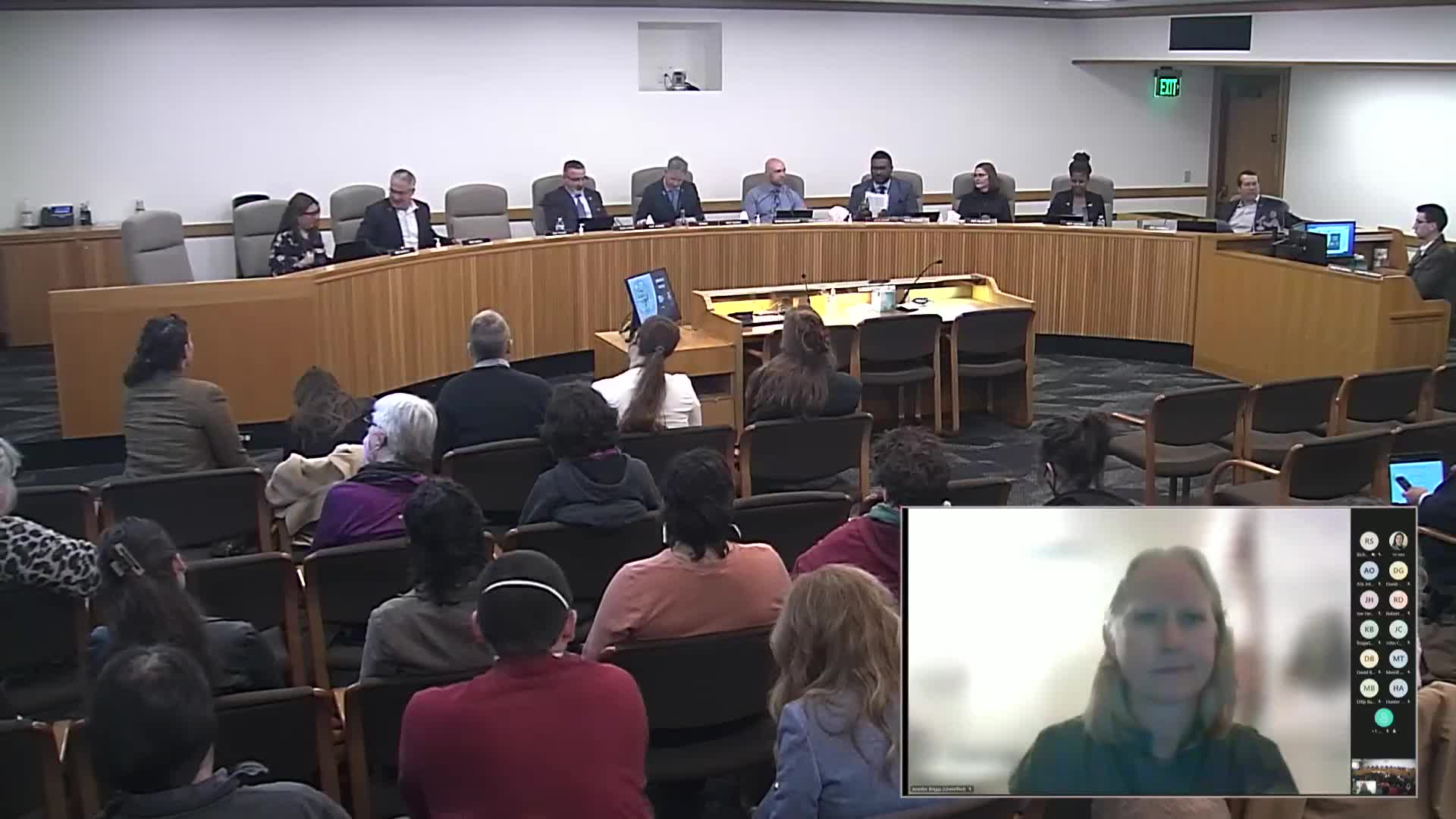
The House Behavioral Health and Healthcare Committee heard testimony Jan. 30 on House Bill 2457, which would create a Rare Disease Advisory Council (RDAC) to advise state policymakers and health agencies on rare-disease care and policy.
Advocates said a council would give patients and families a unified voice in state government and help reduce costs by guiding more targeted policy responses. "I'm pleased to be here today in support of HB 2,457, which would establish a rare disease advisory council or RDAC in the state of Oregon," said Lindsay Viscara, state policy manager for the National Organization for Rare Disorders, adding that she is also a parent of children with rare diseases.
The proposal would form a stakeholder advisory body to gather data, recommend outreach and resource strategies, and coordinate with state agencies. "A rare disease advisory council is a state level advisory body, made up of stakeholders in the rare disease community," Viscara said.
Researchers and patients described the care gaps that supporters say the council would address. "We found that one third of our respondents waited four or more years for a diagnosis and about half reported traveling more than 60 miles for health care," said Dr. Kathleen Bogart, a psychology professor at Oregon State University who studies rare diseases. "A quarter paid $3,000 or more out of pocket for their health care expenses and about 20 percent experienced insurance denials or delays."
Patients and family members gave personal accounts of delayed diagnosis and the difficulty of finding specialists in Oregon. "That diagnosis took us two years," said Cindy Robert, a parent and advocate, describing her daughter's diagnosis with Niemann-Pick type C. Amy Adleman, who said she was diagnosed with cystinosis at 14, described relying on a specialized network of treatments and transplants and urged lawmakers to create the RDAC to improve access and coordination.
Supporters pointed to other states' experience. Bogart described Minnesota's RDAC work, including a baseline survey and programs that led to policies such as insurer coverage for out-of-state or out-of-network specialty care and Project ECHO connections between local providers and rare-disease specialists.
Committee members asked about council design, diversity and relationship to existing review bodies. In response to Representative Nelson's question, Representative Hai Pham, the bill sponsor, said terms would be staggered so the entire council would not turn over at once. On representation, proponents said the appointing authority would vet applicants and that diversity (geographic and cultural) is written into how similar councils have been structured in other states. When Representative McIntyre asked whether the RDAC could permit remote participation, panelists said most existing RDACs meet virtually ("29 of 30 RDACs do their meetings virtually") and the sponsor said he would be willing to add explicit remote participation language to the bill.
Representatives also asked how the RDAC would relate to the Health Evidence Review Commission (HERC). Cindy Robert and other witnesses said the council would be a complement, providing stakeholder perspective, demographics and lived-experience information rather than performing clinical coverage determinations.
Proponents urged the committee to advance the measure. There was no vote at the hearing; the committee closed the public hearing and indicated further work and follow-up questions would be possible as the bill moves through the process.
The hearing record includes submitted survey results and references to other states' RDAC statutes and programs; staffing for an Oregon RDAC and exact funding sources were described as "not specified" and left to the Oregon Health Authority if the panel is enacted.
Ending: The committee closed public testimony on HB 2457 and moved on to other bills on the agenda. If advanced by the committee, the bill would return with any sponsor amendments and fiscal or staffing clarifications for further review.