Get Full Government Meeting Transcripts, Videos, & Alerts Forever!
Get email alerts on the Criminal Justice Discovery topic
No spam. Unsubscribe anytime.
Criminal defense group previews package of bills to speed cases, narrow some charges
Summary
The Oregon Criminal Defense Lawyers Association outlined five bills including SB 177 on discovery timelines, HB 2469 on court procedures, HB 2640 to recategorize low-level offenses, HB 2472 shifting burden in juvenile registry hearings, and HB 2641 to align Oregon evidence rules with federal practice.
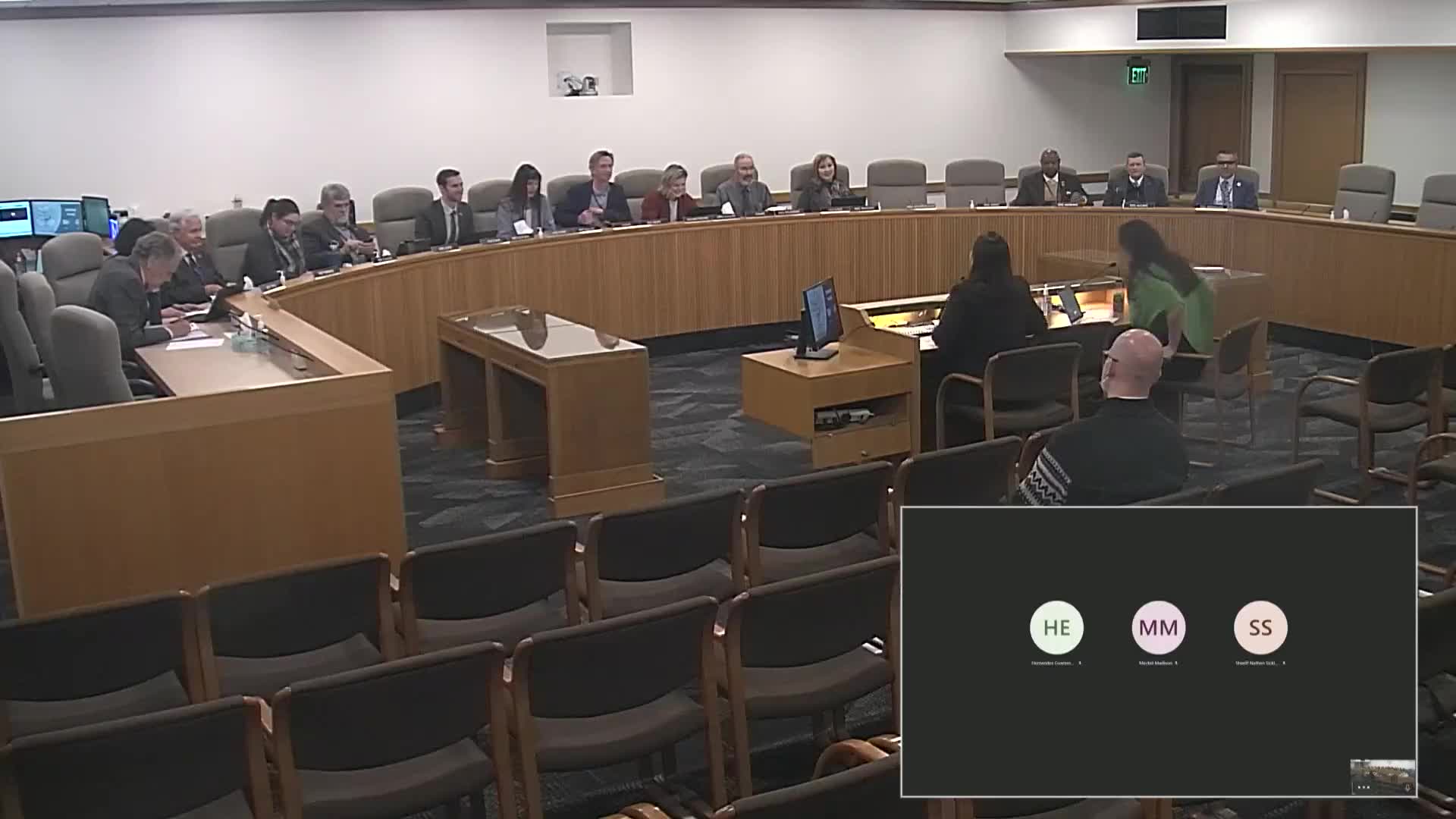
Maylee Browning, legislative director for the Oregon Criminal Defense Lawyers Association, told the House and Senate Judiciary committees on Jan. 30 that her organization plans a multi-bill push intended to reduce delays and limit harsh penalties for some low-level offenses.
"The first kind of package that we have, are, solutions that we put forward to better utilize the scarce resources of the criminal legal system," Browning said. She described a five-bill package and identified SB 177 as the discovery bill.
The discovery proposal, SB 177, would replace language in current law that requires the state to disclose material "as soon as practicable" with specific timelines. Browning said the bill would require disclosure of all discovery in a prosecutor's possession by first appearance, require supplemental materials to be provided within 10 days of coming into the state's control, and provide a 14-day window for responsive discovery after a party's request. The bill would also require district attorneys to disclose recorded jail calls "no later than 30 days before trial, unless good cause is shown," and to identify what portions of lengthy recordings the state intends to use.
The package would also allow either party in a felony case to request an interview with a law enforcement officer material to the case, Browning said; the stated intent is to surface information early so defense counsel can advise clients and proceed to trial or resolution without late surprises.
Browning described HB 2469 as a court procedures bill with three components she wanted the committee to note: allowing defense use of grand jury recordings to challenge indictments; creating a reconsideration mechanism so parties can ask a court to modify pretrial detention decisions if circumstances change; and giving courts authority in limited circumstances to treat certain misdemeanors as violations to help clear caseload backlogs.
Her crimes-and-violations bill, HB 2640, would remove an unconstitutional provision from the harassment statute, narrow aggravated harassment for incidents such as spitting on public safety officers, and reduce several low-level misdemeanors to violations. Browning named specific offenses proposed for recategorization: driving while suspended, second-degree failure to appear, second-degree criminal trespass, failure to carry and present a license, and third-degree theft when the stolen item is a basic need.
On juvenile issues, HB 2472 would shift the burden of proof in juvenile registry hearings so the State must show by clear and convincing evidence that a youth poses a public safety risk before registry requirements are imposed. HB 2641 would adopt the federal Rule 609 balancing test into Oregon's evidence code for impeachment by prior convictions and use a 15-year lookback window when calculating criminal history scores for sentencing, aligning Oregon practice with federal sentencing analysis.
Browning framed the package as a mix of procedural fixes and substantive changes intended to reduce unnecessary prosecutorial escalation and prevent late-case delays. "The goal here is we're trying to get information upfront and early on so that we can advise our client," she said.
The presentation was offered as an informational overview; committee members indicated the items will return for more detailed hearings and negotiation.
Ending: Committee members thanked presenters and confirmed more detailed hearings and negotiations will follow on the bills Browning described.