Get Full Government Meeting Transcripts, Videos, & Alerts Forever!
Get email alerts on the Lottery Ticket Sale Ban topic
No spam. Unsubscribe anytime.
Oregon Lottery officials back bill to bar sale of winning tickets, cite fraud and collection gaps
Summary
Witnesses at the House Commerce and Consumer Protection hearing described a small but persistent secondary market for winning lottery tickets and urged clearer law and administrative tools to prevent fraud and avoid allowing winners to evade child‑support and other collections.
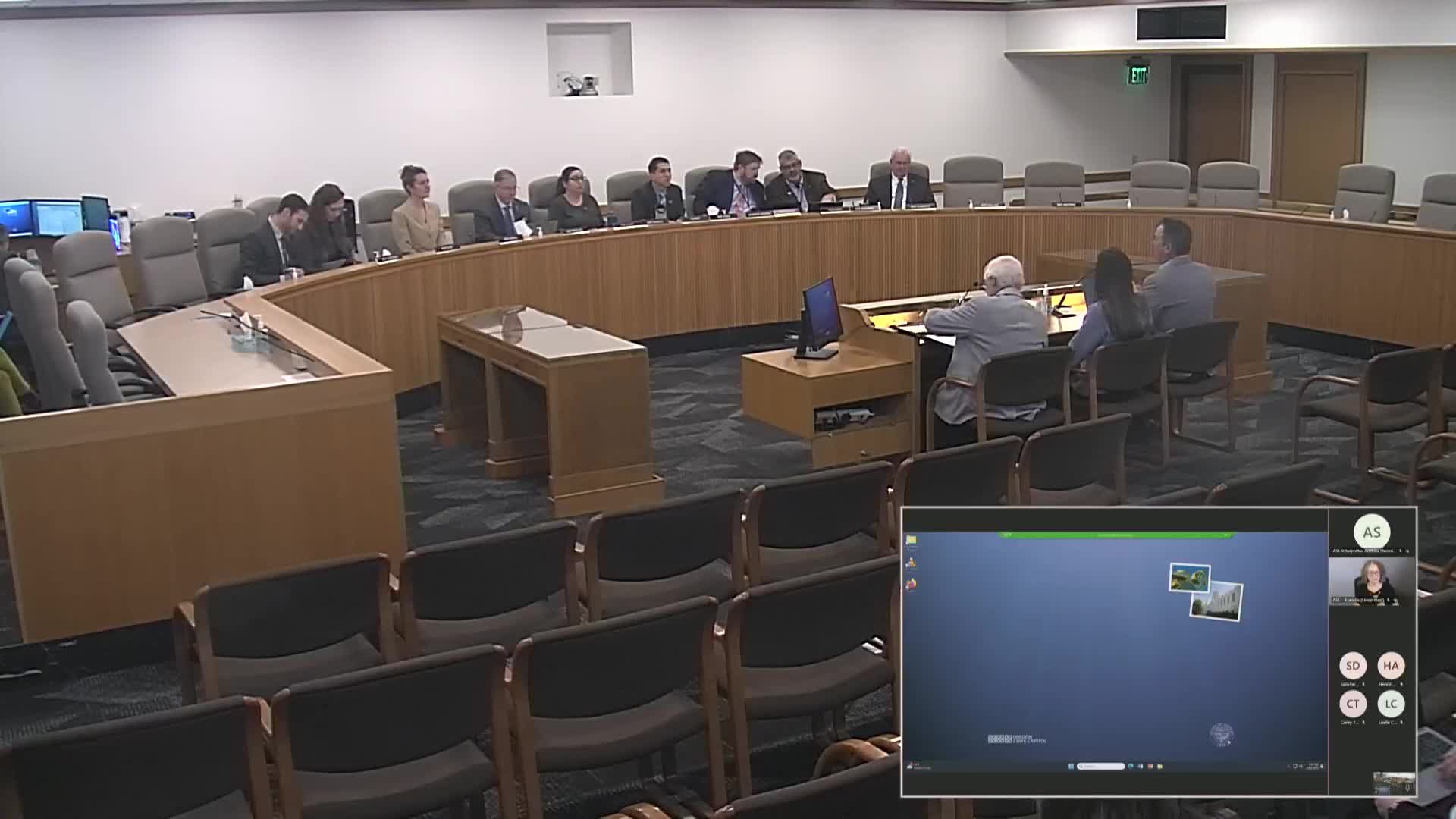
Chair Sosa opened a Jan. 30 public hearing on House Bill 3115, which would prohibit the purchase and sale of winning lottery tickets. The Oregon Lottery described the secondary market for tickets as small but real and urged clarifying statutory language and administrative fixes.
The lottery’s senior communications and policy manager, Matt Shelby, said the agency is neutral on the bill but supports clarification. “As a state agency, we’re neutral on the bill, but we do appreciate, Rep. Lively for continuing this discussion and bringing it forward,” Shelby said. He described several motivations for sellers: convenience, deception, and anonymity. Shelby said convenience drives sales when claiming requires travel to a payment center; video lottery jackpots of $1,500 or more must be claimed at a state payment center, and that requirement can motivate sellers who do not want to take time off work or pay for travel.
Shelby also described deceptive tactics: “someone in the bar you’re playing at gives you some false information, like the state’s going to take 70% of that prize or they’re going to check your immigration status when you come in there. Neither of those things are true, but someone may give you that information in an attempt to scare you and then offer to pay less than face value for the ticket.” He said professional buyers advertise openly and that the lottery lacks a reliable way to verify whether the person presenting a claimed ticket is the original winner.
The lottery identified administrative measures it has used: prohibiting retailers and their employees from buying or facilitating the sale of tickets (violations risk contract termination), refusing payment when a ticket’s signature appears scratched or altered, and reporting high‑volume claimants monthly to the Department of Revenue audits division. Shelby said the agency is exploring digital claims and payments to reduce the incentive to sell winning tickets, but that cash‑based anonymous play presents an ongoing challenge: “As long as play is cash based and anonymous, it will remain a challenge to prove that a person presenting a winning ticket at one of our claim centers was not the original owner.”
Lawmakers pressed enforcement and equity implications. Rep. Reschke asked how the law would be enforced; Shelby said denial of payment is an existing administrative response when evidence suggests a ticket has been altered. Rep. Gomberg raised a public‑health concern about gambling addiction and whether faster, on‑the‑spot payouts could worsen problem gambling; Shelby said speed and convenience are considerations in design of any future claims system. Rep. Reske and others noted that tickets claimed at payment centers are checked against child‑support and DHS overpayment databases; Shelby said those collections are withheld “off the top” when a claimant lacks a Social Security number, and that one of the lottery’s concerns is that resold tickets can be used to circumvent those collections.
Representative John Lively, who is the bill sponsor, said the proposal grew from committee research and that legislative counsel’s existing language—“the right of any person to a prize shall not be assignable”—is ambiguous in practice. Lively said the bill’s intent is to clarify that assignment/sale is prohibited and to give the lottery clearer authority to address the activity. Attorney Darien Stanford, who works with lottery winners and retailers, supported HB 3115 and suggested an amendment to protect winners who wish to remain anonymous, noting other states offer anonymity options while the lottery retains identifying information.
No formal action was taken during the hearing. Committee members and witnesses discussed administrative enforcement tools, whether criminal penalties are necessary, and technical fixes such as digital claims. Several members asked staff to provide follow‑up information for the record.
The hearing record contains questions lawmakers asked about enforcement mechanisms, existing contract penalties for retailers, and the lottery’s ongoing work to identify high‑volume claimants and pursue administrative denial of altered tickets. The committee did not vote on the bill during the hearing and left the record open for additional information.