Get Full Government Meeting Transcripts, Videos, & Alerts Forever!
Get email alerts on the Water Walla Walla Basin topic
No spam. Unsubscribe anytime.
Senate committee hears proposal to invest $2.5 million in Walla Walla Basin projects
Summary
A Senate committee heard testimony Feb. 6 on Senate Bill 761, which would appropriate $2.5 million to implement priority projects from the Walla Walla 2050 strategic plan, matching a like amount from Washington and aiming to leverage federal, tribal and private funds.
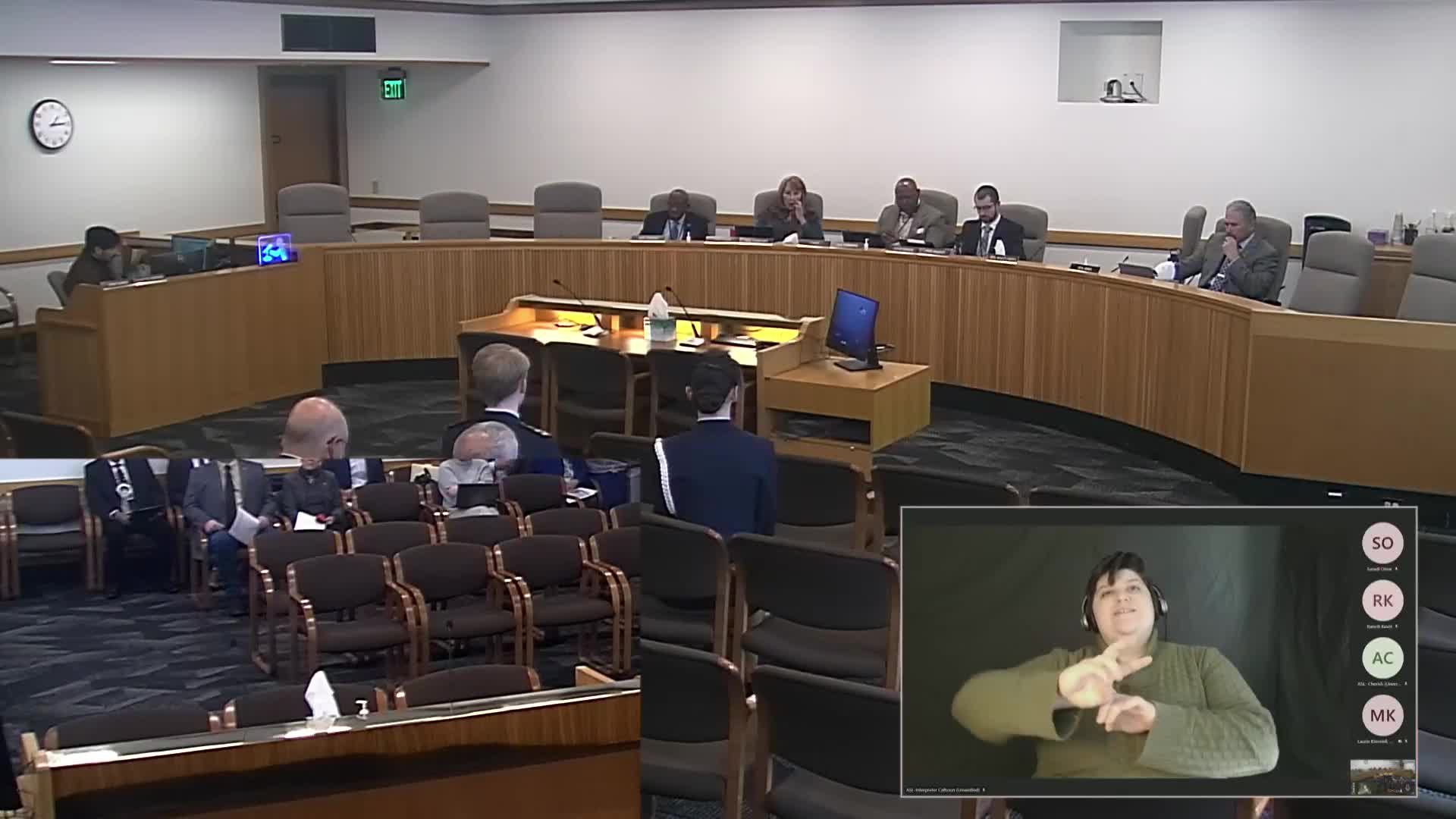
Senate lawmakers on the Senate Committee on Veterans, Emergency Management, Federal and World Affairs on Feb. 6 considered Senate Bill 761, a proposal to appropriate $2.5 million to the Oregon Water Resources Department to begin implementing high‑priority projects from the Walla Walla 2050 strategic plan.
Supporters told the committee the funding would be matched by Washington state and build on more than $10 million in existing federal and tribal investments to restore fisheries, support agriculture and address long‑standing water shortages in the Walla Walla River Basin. "Oregon is not being asked to go this alone. This is a team effort," State Representative Bobby Levy said.
The bill’s sponsor, Senator Todd Nash, said the appropriation would fund projects on the Oregon side of the basin and that a dash‑2 amendment directs the money to the Washington Department of Ecology’s Office of Columbia River for disbursement to specified projects. Steven Hart, a member of the Board of Trustees for the Confederated Tribes of the Umatilla Indian Reservation, said the work would help restore salmon runs that the tribe says are central to its culture and treaty rights.
Speakers described the bill as an implementation step that builds on last year’s Senate Bill 1567 (which created a framework for cross‑state cooperation) and Washington’s matching budget allocation. Travis Trumbull, a Walla Walla River Irrigation District manager, and Anton Keono, water policy staff for the Confederated Tribes, described both structural changes and on‑the‑ground projects the funding would support and said the plan prioritizes measures that can be cost‑shared with federal, tribal and private partners.
Witnesses also described a forthcoming dash‑1 amendment intended to give irrigators with perennial crops a practical way to reduce diversions and protect the saved water in stream — an approach described as necessary because existing in‑stream leasing rules are difficult to apply to orchards and vineyards.
Committee members asked clarifying questions about the amendment and the list of proposed projects; proponents said they would file the specific project list in written materials. The committee did not take a formal vote during the Feb. 6 hearing.
If approved in later committee action and by the Legislature, the funding backers said the appropriation would leverage existing federal and tribal investments and help implement a basinwide, science‑driven strategy for fish, farms and communities.