Get Full Government Meeting Transcripts, Videos, & Alerts Forever!
Get email alerts on the Septic Financial Aid topic
No spam. Unsubscribe anytime.
Bill would expand septic financial aid to allow grants and widen eligibility for low- and moderate-income households
Summary
Senate Bill 830 would expand Oregon’s on-site septic assistance program by allowing grants (and principal forgiveness) in addition to loans, widen eligible recipients to include multifamily and small-business property owners in rural areas, and build on prior loan and ARPA-funded programs that served more than 224 homeowners.
Senate Bill 830 would expand the state’s on-site septic financial assistance tools to include grants and broaden eligibility so low- and moderate-income households, residential housing providers and some small businesses in rural areas can access help repairing or replacing failing septic systems.
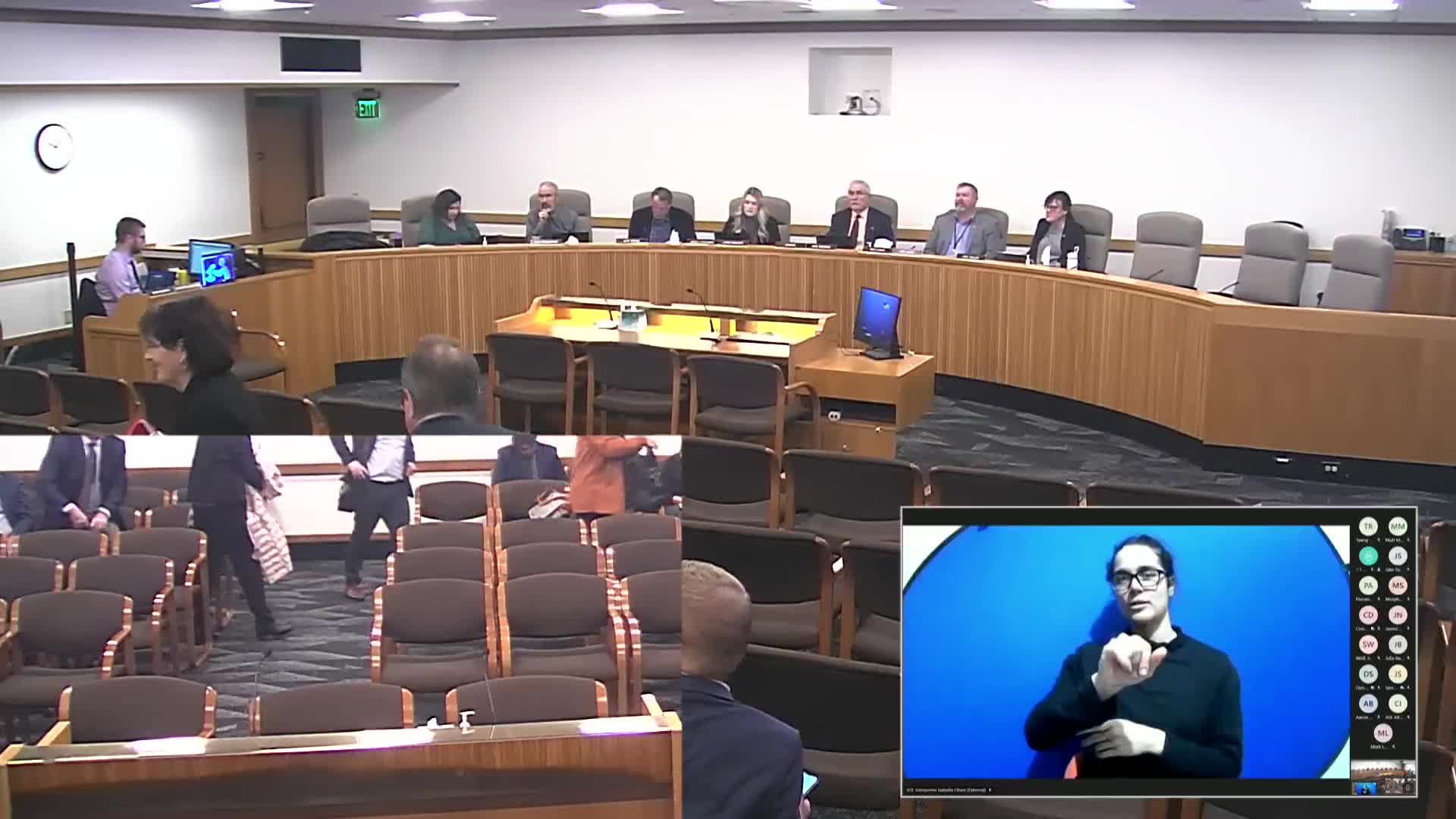
Why it matters: Witnesses told the Senate Committee on Natural Resources and Wildfire the cost to replace a septic system often exceeds the annual income of low-income households, making grants critical for the most vulnerable. Testimony described average replacement costs around $21,000–$22,000 (some systems exceed $35,000), long waiting lists for grants and high local demand during recent program rounds.
Central Oregon Intergovernmental Council Community Development Programs Manager Julia Baumgartner said COIC administered a Septic Assistance Program with $2.4 million from DEQ’s ARPA-funded On-site Septic Financial Aid Program and awarded roughly $1.8 million to 87 households; the region had more than 270 applications and a wait list of over 100 households. "For a 2-person household in Deschutes County, [30% AMI] means living on $25,000 a year," she said, noting typical septic replacement costs often exceed that amount. (Julia Baumgartner, COIC.)
DEQ analysts described two legacy programs: an Affordable Loan Program authorized at ORS 454.779 that has deployed about $3.7 million in state general funds to help 224 homeowners through a Craft3-administered loan product, and a separate one-time ARPA-funded On-site Septic Financial Aid Program (about $15 million) that provided grants in priority areas including wildfire-affected communities. DEQ said combining loan and grant tools would increase help for the lowest-income households. (Ryan Vandenhoef and Deb Mylander, DEQ.)
Craft3 described program administration advantages for loans — flexible repayment, low interest and the ability to disburse funds directly to contractors for permitting and construction — and said state funds must be reauthorized for the program to continue beyond the current biennium. Tawny Reeder of Craft3 said state funding currently takes the program through the end of the biennium and without allocation the program would need to scale back or stop.
What changed: SB 830 would explicitly allow DEQ to issue grants and principal forgiveness in addition to loans, clarify eligible recipient categories (including multifamily affordable housing and certain residential housing providers), and build on administrative experience from ARPA-funded programs.
Looking ahead: Supporters asked the Legislature to appropriate ongoing funds to continue the program beyond temporary ARPA allocations and to allow local partners to combine loans and grants to prioritize the most needy homeowners. Committee staff and witnesses noted the program’s administrative partners (Craft3 and local public agencies) have experience targeting assistance and leveraging funds to reach vulnerable households.
Sources: Public hearing, Senate Committee on Natural Resources and Wildfire, Jan. 30, 2025; testimony of Julia Baumgartner (COIC), Ryan Vandenhoef and Deb Mylander (DEQ), and Tawny Reeder (Craft3).