Get Full Government Meeting Transcripts, Videos, & Alerts Forever!
Get email alerts on the Earned Wage Access topic
No spam. Unsubscribe anytime.
Committee hears support for licensing earned-wage-access providers; industry backs consumer protections
Summary
During a public hearing on Senate Bill 481 the committee heard mostly pro‑licensing testimony from payroll and earned-wage-access (EWA) providers, advocacy groups and industry associations; the bill would require licenses for EWA services and sets a licensing operative date of Jan. 1, 2026.
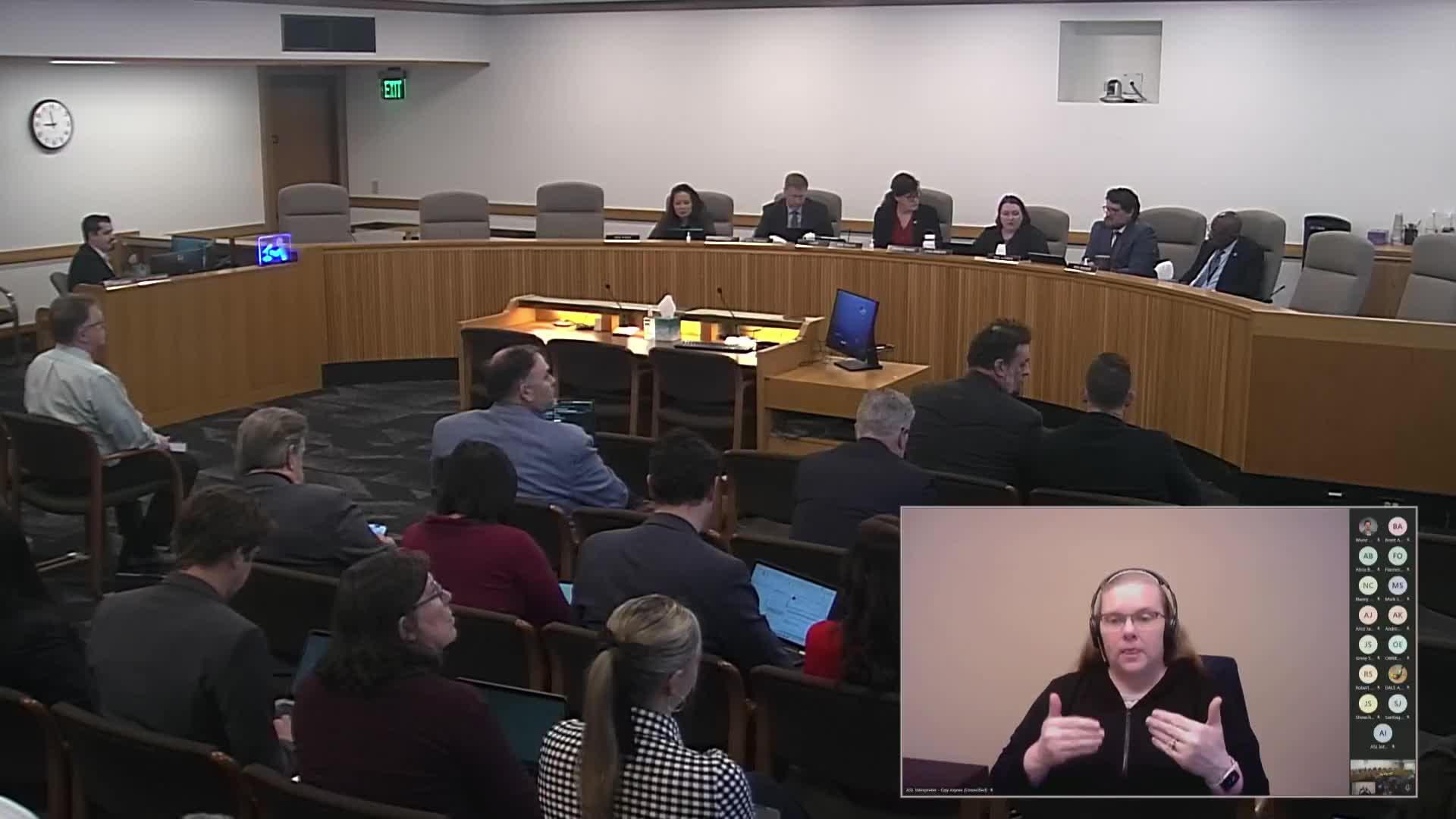
The Senate Committee on Labor and Business on Thursday heard testimony supporting Senate Bill 481, which would prohibit a person from providing earned-wage-access (EWA) services in Oregon unless the person obtains a license, with exceptions spelled out in the bill.
Supporters called for a licensing framework that protects workers while preserving access to a product they described as a lower-cost alternative to payday loans and overdrafts. The bill’s licensing requirement becomes operative on Jan. 1, 2026; the bill takes effect on the 91st day after adjournment.
Why it matters: EWA services let employees access wages they have already earned before their scheduled payday. Proponents urged oversight tailored to the product’s structure (employer-integrated verification, flat fees or fee-free transfers) and warned that treating EWA mechanically as a loan could remove a useful tool from employers and employees.
Alice Jacobson of PayrollOrg, a payroll professionals association, told the committee that 60% of full‑time employees report financial stress and that employers want tools to improve financial wellness. Jacobson said licensing and transparency would “keep the financial wellness toolbox open” and allow employers and employees to choose responsibly.
Market providers testified in support with proposed consumer protections. Mark Salters of PayActiv, which serves thousands of Oregon workers, said his company supports licensing that includes a fee‑free option, a ban on using credit reports as a condition of service and a fee cap of $7 per transaction. Nancy Coleman Chavez of DailyPay said the product is employer-integrated, permits access only to wages already earned (with taxes and benefits deducted) and often offers a no‑cost transfer or a low flat instant-transfer fee (example cited: about $3.50). She cited studies that show EWA users reduce reliance on high‑cost short‑term loans.
Consumer‑protection perspectives were included. Brent Adams of Woodstock Institute (a consumer financial protection nonprofit and former state regulator) urged evaluation of EWA in the broader consumer‑credit ecosystem; his organization favors viewing voluntary EWA fees as not equivalent to high interest and supports guardrails.
Representatives of regulators attended for technical Q&A. Jesse O’Brien of the Division of Financial Regulation (DCBS) told the committee he was available for technical questions; he did not offer formal agency policy testimony at the hearing.
What the committee did: The committee held the public hearing and took testimony; no vote or work session was held Thursday. The committee limited oral testimony to two minutes per witness and invited written submissions.
Ending note: Committee staff and legislators said they will continue gathering information; sponsors and industry groups may return with draft licensing standards and technical amendments before any work session.