Get Full Government Meeting Transcripts, Videos, & Alerts Forever!
Get email alerts on the After School Education Childcare topic
No spam. Unsubscribe anytime.
Oregon Tech seeks $802,000 for Owls Nest after‑school pilot to address Klamath Falls learning and childcare gaps
Summary
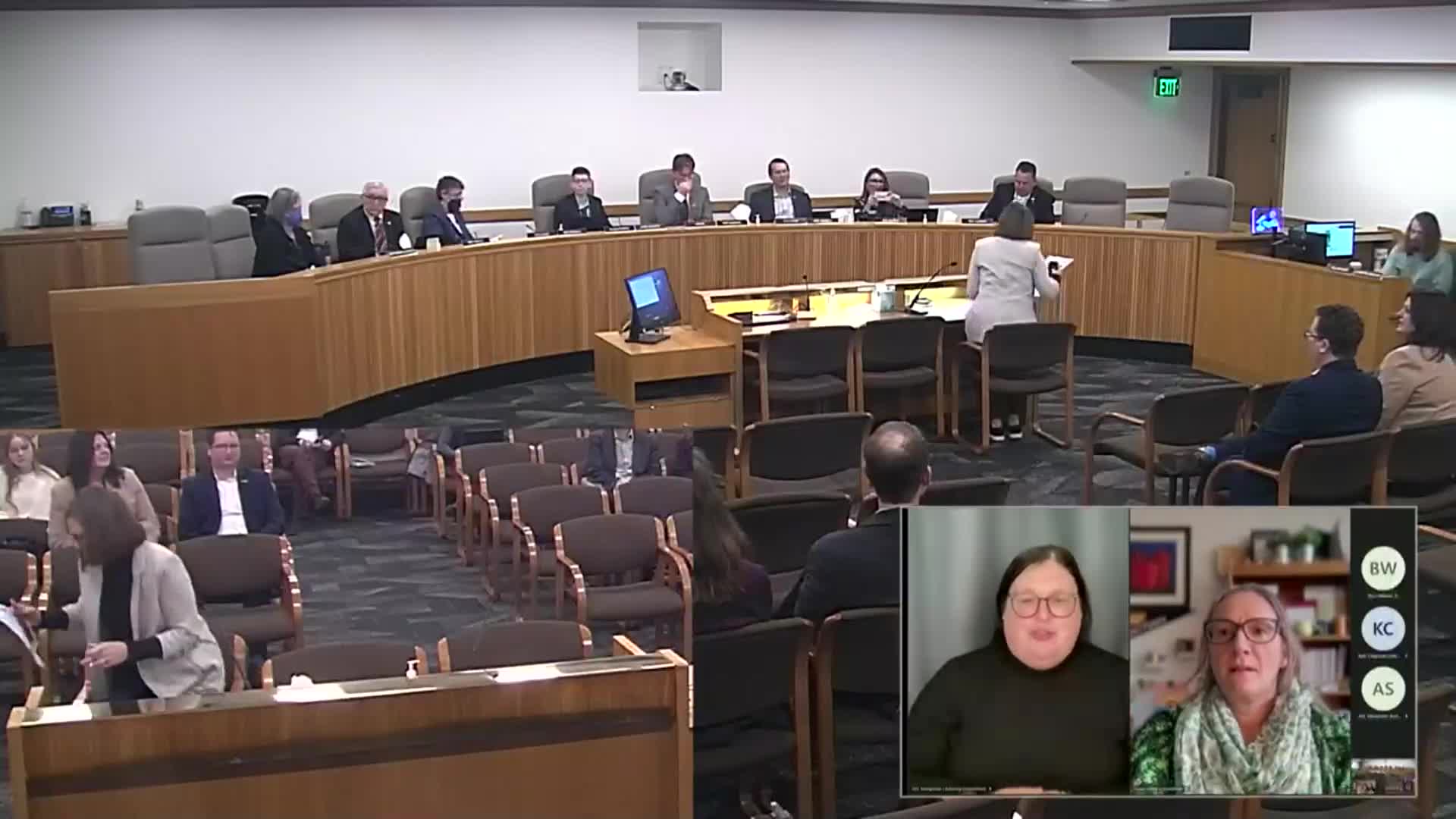
Representative Emily McIntyre opened a public hearing on House Bill 2675 on Jan. 30, asking for $802,000 in startup funding for the Owls Nest, an Oregon Tech‑run two‑year after‑school pilot in Klamath Falls to provide tutoring, transportation and childcare.
Representative Emily McIntyre introduced House Bill 2675 and handed the presentation to Oregon Tech staff, saying the institution is “innovative, forward thinking, and both state and community minded.”
Dawn Bailey, associate professor at Oregon Tech, told the committee the proposal would establish the Owls Nest, a two‑year pilot on campus providing after‑school care, intensive reading and math tutoring, social skills development and physical activity for children ages 5–12. Bailey said the pilot will be staffed by Oregon Tech students in applied behavior analysis, psychology and athletic training programs and will include transportation from local schools. “This program is fee based, meaning that there is a low cost to participants with the goal of the owl's nest to be self sustainable after the 2 year pilot,” Bailey said.
Nut graf: Oregon Tech presented HB 2675 as a campus‑based, applied‑learning pilot intended to address local childcare shortages and reading gaps in Klamath Falls by combining student training with evidence‑based tutoring; the university requested $802,000 for startup expenses including vans, staffing and supplies.
Evidence and outcomes Oregon Tech cited a local needs assessment that found after‑school and summer care for ages 5–12 and transportation to programs are significant barriers in Klamath County. Testimony said only 28 percent of third graders in Klamath Falls City Schools were proficient in reading, compared with an approximate statewide average of 39 percent. Bailey described a Fit Learning affiliate program already operating with Oregon Tech that staff said yielded a mean reading‑score improvement of about 38 percent after 40 hours of instruction for participating students.
Budget and scaling Bailey asked for $802,000 for start‑up costs to open in fall 2025 with an initial cohort of 30 students, scaling to 60 students by winter and up to 75 total. The request includes four 15‑passenger vans for transportation, staffing, supplies and insurance. Presenters said the program would be open first to students, faculty and staff families and then to the broader community as capacity allows.
Parents and personal testimony Kyle Chapman, an Oregon Tech associate professor and parent, gave personal testimony about his daughter’s improvement after receiving Fit Learning services, calling the intervention “transformative” and urging support so more local children can access similar services.
Committee process Committee members asked about eligibility, pricing and plans for serving families who cannot pay fees; presenters said they plan to use vouchers and other funding sources to maintain accessibility and aim for self‑sustainability after the pilot. No committee vote took place at the hearing.
Ending The public hearing closed and the committee adjourned; presenters asked lawmakers to consider the pilot funding during the biennial budgeting process.