Get Full Government Meeting Transcripts, Videos, & Alerts Forever!
Get email alerts on the Deepfakes Intimate Images topic
No spam. Unsubscribe anytime.
Senator DeBoer updates intimate‑images law to include deepfakes in LB371
Summary
Sen. Wendy DeBoer introduced LB371 to add computer‑generated and digitally manipulated images (deepfakes) to the existing civil remedies for unauthorized disclosure of intimate images. Sponsor said the change is needed because deepfakes have surged and are cheap and easy to create.
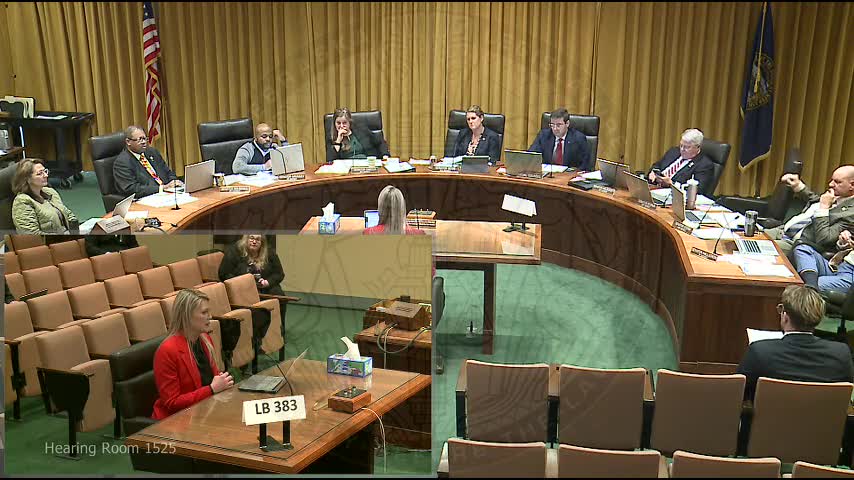
Lincoln — Sen. Wendy DeBoer told the Judiciary Committee that LB371 updates the Uniform Civil Remedies for Unauthorized Disclosure of Intimate Images Act to include computer‑generated and digitally manipulated material commonly known as deepfakes.
DeBoer said the 2019 law that created a civil cause of action worked to provide victims with remedies; the bill before the committee would add new definitions so the statute covers AI‑created and digitally altered material used to threaten or harm individuals. "It takes less than 25 minutes and $0 to create a 60 second deep fake intimate video," DeBoer told the committee, citing an industry study that measured rapid growth of deepfake content.
The senator said Nebraska has had recoveries under the 2019 act and that expanding definitions will give victims similar civil remedies when perpetrators rely on generative models to create sexualized imagery. There was no public opposition recorded in the hearing and the sponsor said the update is intended as a technical modernization to reflect new technology.
Ending: The bill was described as a reasonable, targeted update to an existing civil‑remedy statute to ensure victims can seek damages and injunctive relief when intimate imagery is created or distributed using AI and digital manipulation.