Get Full Government Meeting Transcripts, Videos, & Alerts Forever!
Get email alerts on the General Assistance topic
No spam. Unsubscribe anytime.
Portland officials warn proposed Rule 26 and budget changes would sharply cut general assistance funding
Summary
City staff and state legislators told Portland's legislative committee that a proposed DHHS regulation (Rule 26) and budget language in a supplemental/biennial package would reduce the amount the city can bill for general assistance (GA), creating a multi‑million dollar shortfall and prompting consideration of legal and legislative responses.
Portland city staff and state lawmakers told the city's legislative committee that a proposed change to Rule 26 and related budget language in the supplemental/biennial budget could drastically reduce how much the state will reimburse municipalities for general assistance (GA).
Kate Knox, lobbying counsel for the city, described the proposal as an amendment from the Office of Family Independence that "greatly limit[s] the rate at which the city could bill for GA" and said the rule appears to rely on an ambiguous line about an "0 bed, no bathroom efficiency unit" that would cut the billable rate roughly in half.
Why it matters: Portland officials said the change would create a substantial gap in the city budget and could leave the city shouldering emergency shelter and other GA costs. Danielle West, Portland's city manager, told the committee the city's preliminary estimate of the fiscal impact is "$4,400,000 to the city." Committee members discussed zoning of the matter as a regulation, potential litigation, and the need for legislative fixes.
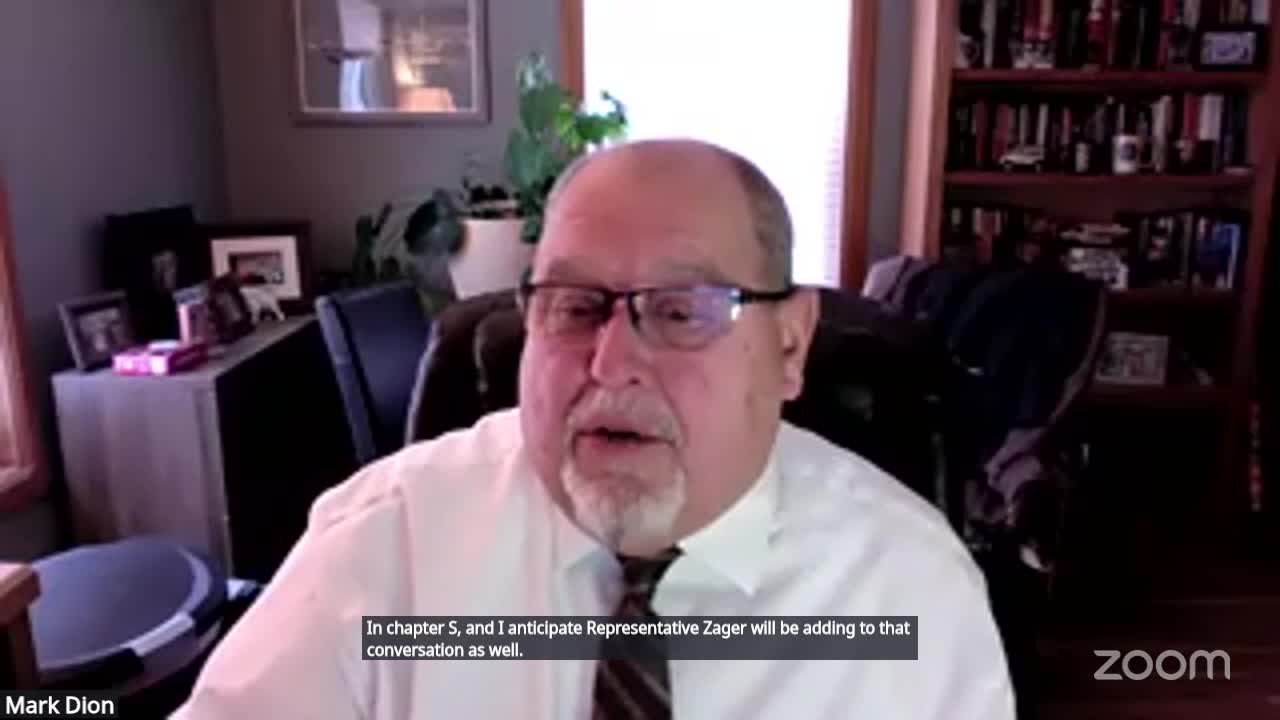
City staff described two parallel threats. First, the administrative rule (Rule 26) was issued under the Office of Family Independence and, according to city counsel, was filed as a "routine technical" rule that the administration may not intend to revise despite public comment. Knox said she had "hallway information" suggesting the department did not plan to revise the rule. Second, members flagged a proposal in the supplemental (and likely the biennial) budget—referred to in the meeting as "Chapter S" or supplemental budget language—that would cap the duration of housing reimbursement for GA, with staff reporting a proposed three-month cap that, in Portland data reviewed by staff, would affect about 592 households.
Committee members and delegates also discussed the larger pattern of legislative activity around GA this session: the group identified roughly 17 bill titles related to general assistance. Delegates described a range of legislative approaches on reimbursement, residency requirements, waiting periods and programmatic changes. One proposal described to the committee would restore reimbursement from 70% to 90% but on a staggered schedule (raising the reimbursement for a large group of municipalities immediately while phasing increases for high-utilizer municipalities like Portland). Proponents said the staggered approach would reduce up-front state costs while directing immediate funds to smaller municipalities.
City staff flagged operational and programmatic constraints. Danielle West and other city officials said municipalities face added responsibilities from prior statutory changes (for example, service-center responsibilities and culturally and linguistically appropriate services) even as reimbursements have not kept pace. Staff asked the legislative delegates to pursue legislative changes addressing "municipality of responsibility," reimbursement rates, and funding for implementation and training.
The committee heard that local audits and state administrative activity are connected to the rulemaking. West said the city had been audited recently and that the rule came to light during that process; she also said the city's legal office had submitted comments disputing the basis for the rule. Several legislators reported meetings with the governor's office and DHHS seeking clarification; one described asking the governor's chief of staff to show the legal authority underpinning the contested "0 bed" language.
The meeting closed with a call to coordinate a municipal coalition and continued conversations in Augusta to pursue a legislative solution, training and capacity supports for municipalities, and to press for a reimbursement fix.
Ending: Committee members asked city staff and the delegation to continue coordinating, to circulate legislative tracking documents, and to bring any printed bills or supporting materials back to city staff for formal comment and consideration by committee members.