Get Full Government Meeting Transcripts, Videos, & Alerts Forever!
Get email alerts on the Homelessness Housing topic
No spam. Unsubscribe anytime.
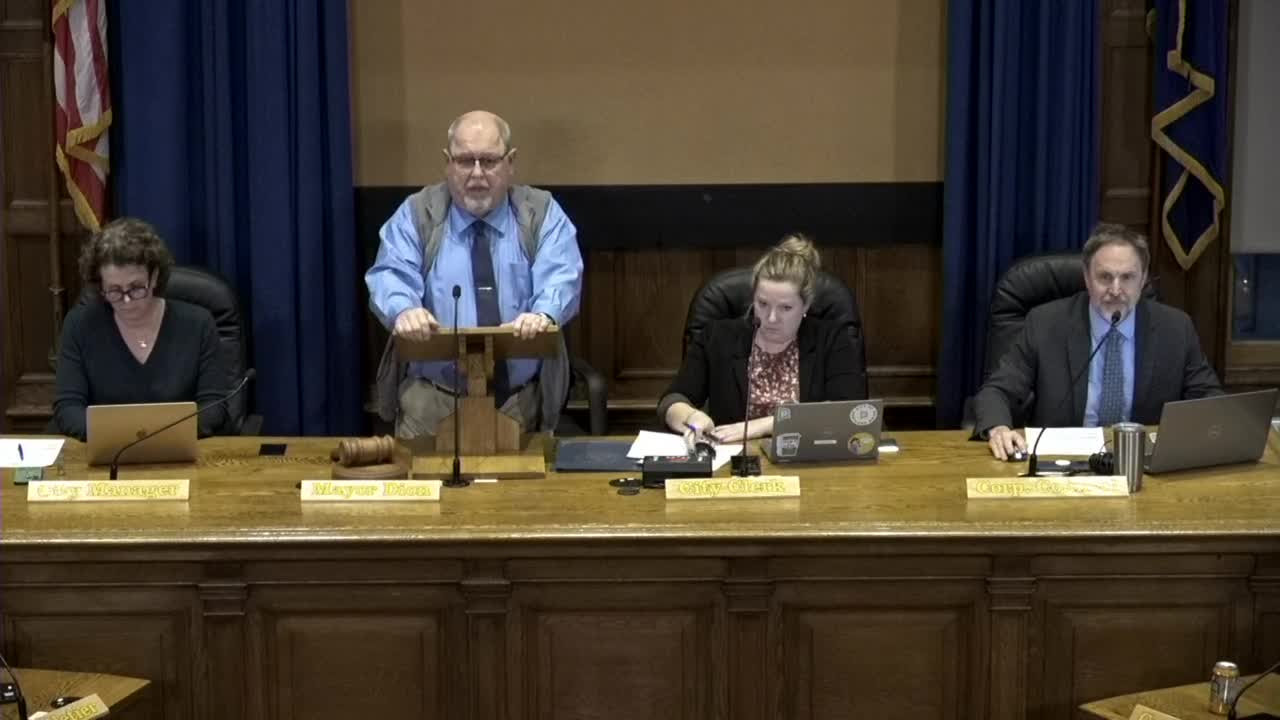
Portland resident voices neurodiversity, public-safety and Housing First concerns at council meeting
Summary
A Portland resident told the council his sensory and safety concerns related to local development and homeless services, criticized Housing First placements near neighbors and urged more aggressive approaches to drug-related behavior and staffing for shelters.
Gregory Gould, a Portland resident, used the public comment period to describe personal sensory and safety struggles he said inform his opposition to certain development and some placements of Housing First projects.
Gould said his sensory issues make densely populated, noisy or chaotic housing extremely difficult and recounted an earlier experience at a downtown residence that he said forced him to move. “I need quiet to function the next day,” he said.
Gould described several groups he said are vulnerable to the effects of nearby disruptive behavior — “Parents of autistic children with sensitivity issues, people with TDI's, the immunocompromised, people with hearing issues, the elderly… recovering addicts, and some like myself, chronically ill and constantly healing.” He argued that the city must balance compassion for people experiencing homelessness with protections for other residents and workers.
“Housing First is a great program, but we shouldn't lie about how it works,” Gould said, and added that, in his view, residents placed in some Housing First buildings “don't often leave” and that aggressive behavior and substance use are sometimes tolerated. He opposed locating a Housing First project at the Baron Center, saying, “It's indefensible that you would want to put that on your neighborhood.”
Gould also criticized staffing shortages for warming shelters and the difficulty of recruiting staff to work with people experiencing substance use or severe mental illness. He urged the city to pursue stronger approaches to removing drugs from circulation and punishing harmful behavior, saying the city’s current approach leaves other residents to “deal with the fallout.”
These remarks were made during the public comment period; no council action on the points raised was recorded at the meeting.