Get Full Government Meeting Transcripts, Videos, & Alerts Forever!
Get email alerts on the Family Courts topic
No spam. Unsubscribe anytime.
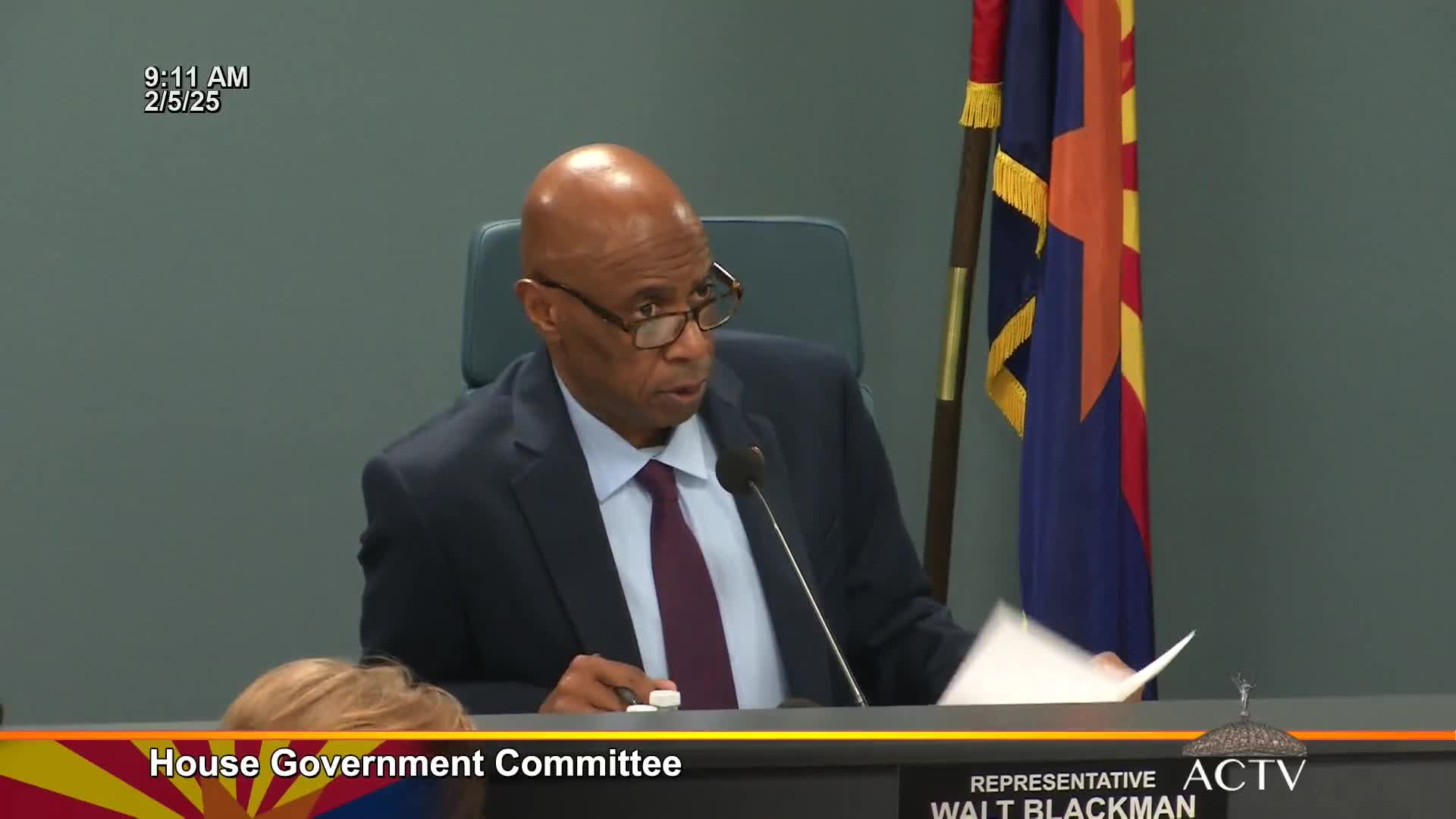
Committee advances bill allowing jury trials in certain family-court matters after heated testimony
Summary
House Bill 21-52, which would permit either party to demand a jury trial in specified family-court proceedings, advanced out of committee after lengthy sponsor remarks and extensive public testimony for and against; the Arizona Judicial Council expressed concerns about logistics and costs.
House Bill 21-52, which would permit either party to demand a jury trial in dissolution, legal decision-making and parental time proceedings, received a due-pass recommendation after extended discussion, public testimony and a roll-call explanation of conflicting constitutional views.
Sponsor Representative Kestrel framed the bill as a due-process expansion to allow jury trials where parties request them, saying it addresses concerns that single-judge decisions sometimes reflect unproven or biased factual conclusions. She acknowledged likely increased court costs and said she would consider funding measures.
Several public witnesses told personal stories of alleged mistreatment in family court and urged the committee to approve the bill. Doctor Michelle Fox, Shibley Gigi, Jason J. Baker, Rachel Cardona Barnett and others described prolonged family-court battles and urged jury access as a remedy. Leanna (Liana) Garcia, speaking for the Arizona Judicial Council, said family court evolved from courts of equity and that adding jury trials for broad categories could be procedurally difficult; she suggested the bill be limited to final-issue jury trials and warned of resource and juror-availability challenges, especially in rural counties.
Committee members asked about constitutional and statutory limits. Representative Gillette argued the Fifth and Fourteenth Amendments protect jury rights and said cost should not bar constitutionally guaranteed rights; others worried about logistics in small counties and impacts on pro se litigants. The sponsor said she anticipates working with the Judicial Council on language.
The committee recorded final action on the bill: a due-pass recommendation with the committee tally announced on the record. The sponsor closed by stressing cross-partisan constituent support.
Ending: Committee advanced HB 21-52 with a due-pass recommendation and directed follow-up work between the sponsor and the Judiciary Council on implementation details, funding and procedural language.