Get Full Government Meeting Transcripts, Videos, & Alerts Forever!
Get email alerts on the Teacher Shortage topic
No spam. Unsubscribe anytime.
Rural districts: more than half of new teachers enter via alternative routes; consortia training seen as essential
Summary
Superintendents and consortium directors told the Senate panel that more than half of newly hired teachers in many rural districts come without traditional certification and that regional training programs and college-apprenticeship options are helping fill classrooms.
Superintendents and regional consortium leaders told the Senate Committee on Education Pre-K through 12 that teacher recruitment and retention are among their most urgent operational problems, and that consortia-run training and alternative-certification programs are central to rural staffing strategies.
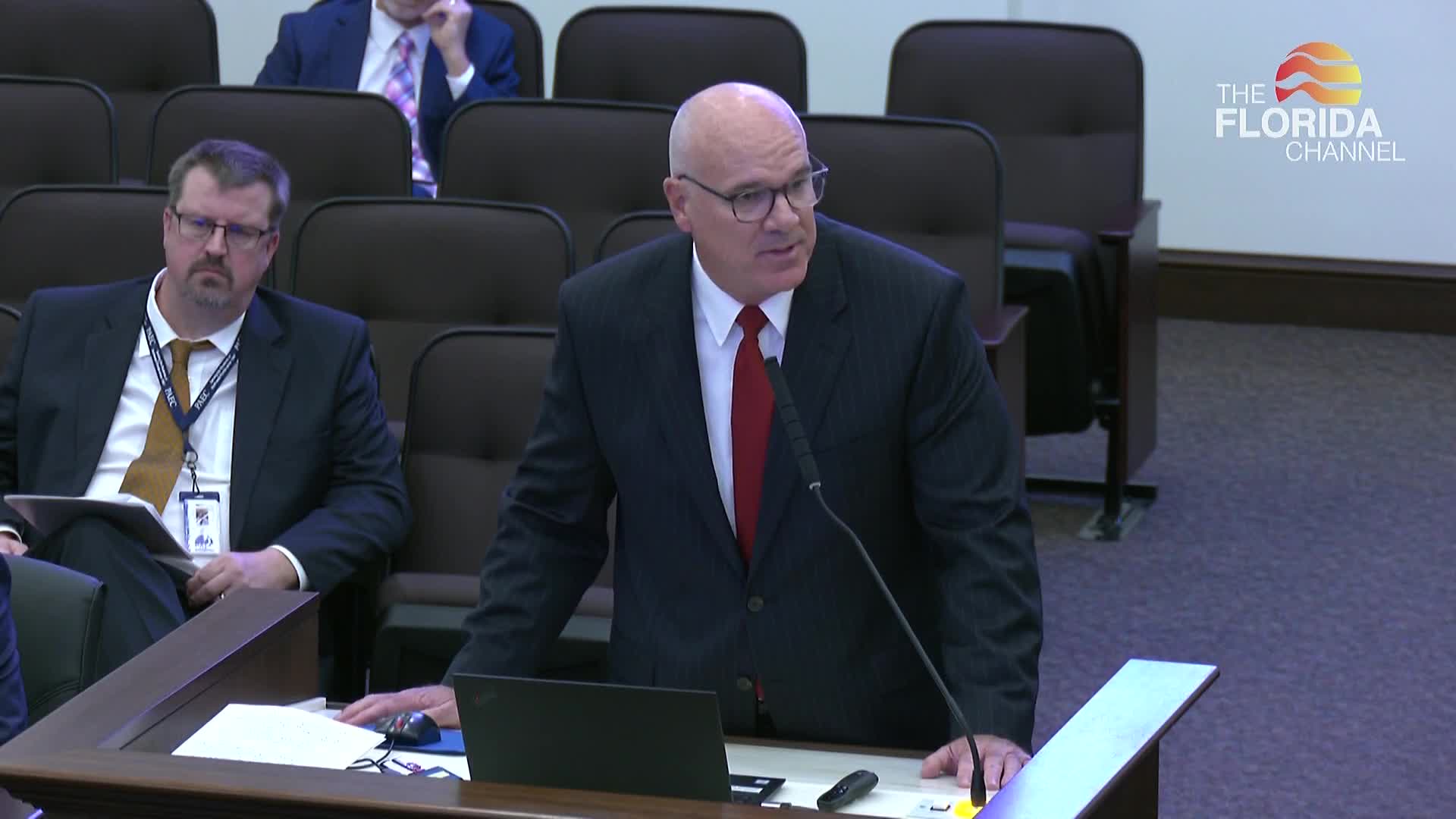
"More than 50% of our teachers are coming to us without a professional certificate," Patrick Knecht, executive director of the Northeast Florida Educational Consortium, said in his presentation. He and other witnesses described an increasing reliance on alternative-certification pathways, career-switch hires and temporary full-time substitutes to fill classroom roles.
Why it matters: rural districts typically have smaller applicant pools, fewer local preparation programs and salaries that compete poorly against nearby districts and out-of-state employers. Committee testimony tied recruitment gaps to classroom stability, program continuity and student outcomes.
Key details - Scale of alternative certification: Presenters said more than half of recent hires in some consortia come through alternative programs. NEFEC and Heartland offer state-approved New Teachers Alternative Certification programs that include instructional and classroom-management training; presenters said those programs save teachers approximately $5,000 compared with enrolling directly in community-college alternatives. - Vacancy and applicant trends: Superintendents reported posting positions that drew zero applicants for some specialties. Districts are recruiting foreign teachers through placement firms, hiring permanent substitute teachers and using consortium coaching to support nontraditional hires. - Apprenticeship and college partnerships: Panelists described work with local Florida College System campuses (presenters referenced Chipola College as a local partner) and apprenticeship options that allow employees to earn credentials while remaining in district jobs. Mike Swindle said the district has "about 5 or 6" participants entering teaching through such college-supported pathways and urged continuation of those programs: "please please continue it." (quote as spoken.)
Local examples and outcomes - DeSoto County Superintendent Bobby Bennett said his districthistorically underperformingrestructured its strategy with consortium help and raised its overall graduation rate to 82%; he credited consortium-provided coaching and strategic planning for part of that improvement. - Superintendent Robbie Edwards of Lafayette County described relying on NEFEC for professional learning that his small district could not provide internally, especially where a single teacher covers an entire subject for the district.
Possible policy levers discussed Witnesses asked legislators to consider additional flexibility in how state funds are used for teacher pay and training and to support apprenticeship and teacher-preparation pathways that generate homegrown talent in rural communities.
Ending Panelists told senators that consortia-backed training and expanded partnerships with the Florida College System are mitigating the teacher shortage but do not fully replace the need for better compensation, recruitment pipelines and targeted support for early-career teachers.