Get Full Government Meeting Transcripts, Videos, & Alerts Forever!
Get email alerts on the Regional Planning Drcog topic
No spam. Unsubscribe anytime.
Regional council director briefs Denver committee on housing, transit, aging services and federal grants
Summary
The Denver Regional Council of Governments (DRCOG) briefed the City Council committee on Metro Vision, transportation planning, regional housing needs, aging services and a major EPA climate grant; the briefing included discussion of bus rapid transit corridors and DRCOG’s area agency on aging programs.
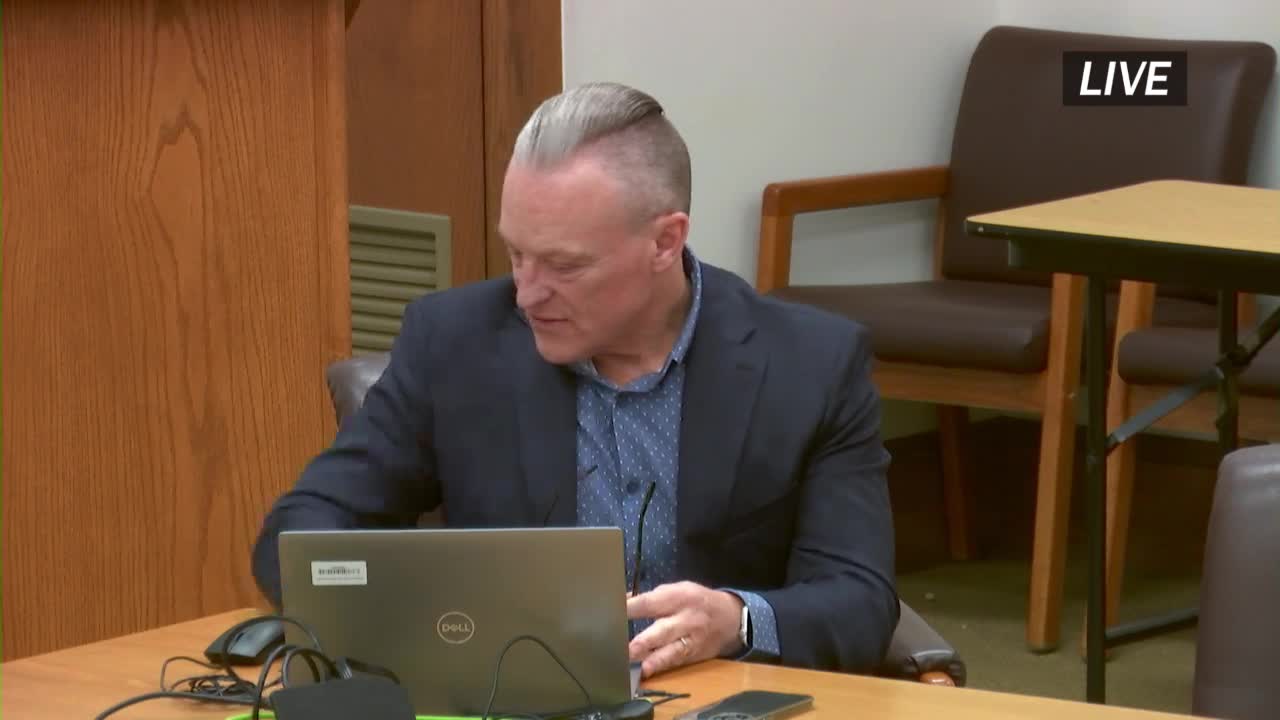
The Land Use, Transportation and Infrastructure Committee heard a briefing from Doug Rex, Executive Director of the Denver Regional Council of Governments (DRCOG), on Feb. 4 about regional planning work including housing needs, transportation priorities and services for older adults.
Rex described DRCOG’s roles as the region’s metropolitan planning organization and area agency on aging, summarized the history of regional councils and said the agency’s Metro Vision framework guides regional investments. “It is the only time that, in our case, 59 locally elected officials get together and discuss anything,” Rex said, describing DRCOG’s collaborative role.
On housing, Rex said DRCOG completed a regional housing needs assessment that estimates the region will need roughly 522,000 housing units by 2050 and said DRCOG is launching a regional housing strategy to identify actions to meet that need. He also referenced state legislation affecting local planning (the presentation named Senate Bill 174) and said jurisdictions that meet DRCOG’s regional assessment requirements may use the regional work to satisfy state planning rules.
On transportation, Rex walked the committee through DRCOG’s planning structure and investment priorities, emphasizing safety and a multimodal approach. He said the agency is prioritizing five bus-rapid-transit corridors in the near term, including East Colfax, and noted concern about the availability of federal transit funding while continuing planning work.
Rex highlighted DRCOG’s role as the area agency on aging, describing community-based services (transportation, in-home services, nutrition and “meals on wheels”) and saying those services reduce higher-cost care by helping older residents remain at home. He said many programs contract with nonprofit providers and reported waiting lists for some services.
Rex described new initiatives, including scenario planning for the regional transportation plan update, a winter Bike-to-Work Day, and a $200 million EPA grant for a carbon-pollution reduction program that DRCOG will administer over five years. He said the EPA award includes workforce-development opportunities and that DRCOG is working to hire staff to implement the program.
Committee members praised DRCOG programs and asked follow-up questions. Councilmember Sarah Parody and others requested clarity about federal grant flows and the EPA award; Rex said most DRCOG funding is federal and that the carbon-pollution grant is drawing close attention. Councilmembers also asked about aging-in-place services, home adaptation programs and regional project lists; Rex said DRCOG contracts with providers for many services and can connect jurisdictions to program resources.
Why it matters: DRCOG directs regional planning and distributes federal funds for transportation, aging services and related programs; the briefing outlined funding priorities and technical work that will shape regional infrastructure and housing planning.
Ending: Rex invited committee members to DRCOG board meetings and said staff would provide materials and follow-up on specific questions about the EPA grant and housing strategy timeline.