Get Full Government Meeting Transcripts, Videos, & Alerts Forever!
Get email alerts on the Rental Application Fees topic
No spam. Unsubscribe anytime.
Committee considers refunding unused rental application fees amid competing landlord and tenant concerns
Summary
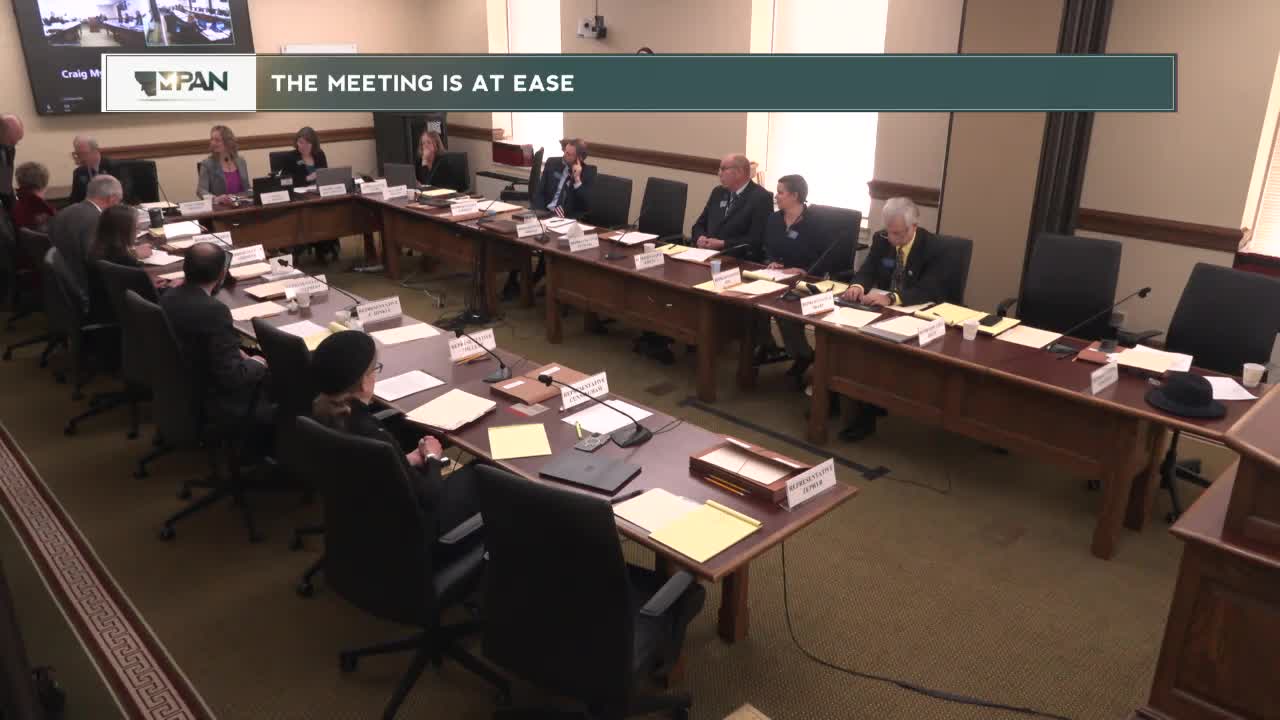
A bill to require refunds of unused rental application fees drew support from students, housing advocates and tribal representatives and opposition from local landlords and landlord associations at a House Judiciary Committee hearing.
Representative Kelly Kortum opened the hearing on House Bill 311 by saying the bill would require landlords and property managers to refund a portion of rental application fees when applicants are not awarded a unit. Kortum described instances where property managers collected dozens of application fees but leased a unit to only one applicant.
Supporters, including student and housing advocates, said the practice is predatory in tight rental markets. Hope Morrison, representing the Associated Students of the University of Montana, said she paid about $200 in nonrefundable application fees while searching for housing and urged the committee to pass the bill to ease the burden on students. Advocates for domestic‑violence survivors and tribal communities described the bill as a tool to reduce barriers to housing for people who frequently must reapply or lack resources to apply widely.
The bill allows landlords or managers to retain only the cost of specific services actually performed; sponsors pointed to background checks and credit checks as legitimate retained costs. Kortum said that written notice would list those deductible costs and that landlords could recover legitimate screening costs but not “harvest” application fees as extra income.
Opponents included local landlords and the Montana Landlord Association, who characterized the bill as poorly targeted and said it would penalize small, local landlords who must pay for background checks and other screening even when an applicant is not selected. Mary Kay Demers, representing the Helena chapter of the Montana Landlord Association, said third‑party background checks and identity verification services incur nonrefundable costs and argued landlords should not be required to return amounts already spent.
John Sinrud, a lobbyist for the association, and other landlord witnesses suggested the problem is concentrated among large, often out‑of‑state property managers and recommended addressing those actors through licensing and Department of Labor and Industry enforcement rather than a broad statutory refund mandate. Several landlords told the committee they do not charge application fees or that fees cover work needed to vet applicants, and warned that a refund requirement could raise rents or drive operational changes.
Committee members questioned witnesses about options to limit the bill to licensed property managers and how to ensure smaller landlords are not unduly burdened. Witnesses discussed privacy and consumer‑protection concerns: Don Cape said some applications with personally identifiable information have been found in dumpsters and noted that some site‑based background checks are not consumer‑reporting agencies, which raises legal concerns.
Representative Kortum closed by saying landlords could still recover documented screening costs and that the bill’s intent is to prevent exploitative practices that force renters to subsidize others’ access to housing. The committee did not take a vote during the hearing.