
Agency on Aging Area 4 outlines ADRC services and launches Key Connections coliving pilot
Get AI-powered insights, summaries, and transcripts
Subscribe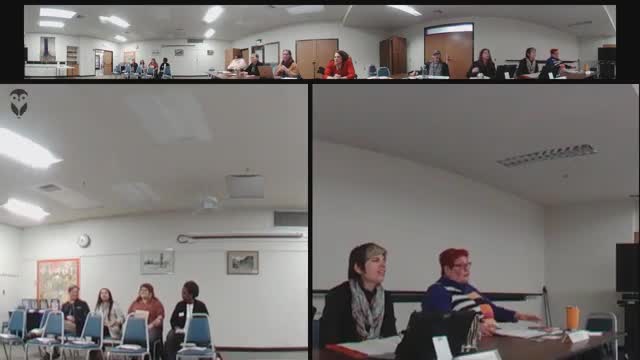
Summary
Agency on Aging Area 4 staff described the Aging and Disability Resource Connection (ADRC) as a single point of entry for long‑term supports and introduced Key Connections, a new co‑living program that pairs home providers and seekers to provide affordable rooms and social connection.
The Davis Senior Citizens Commission on Tuesday heard a presentation from Agency on Aging Area 4 about the Aging and Disability Resource Connection (ADRC) and a newly launched Key Connections co‑living program.
"The ADRC is the single point of entry for long term supports and services for older adults who may have disabilities," said Jasmine Sanchez, a case manager at Agency on Aging Area 4. Sanchez told commissioners the ADRC serves older adults 60 and over and people with disabilities across seven Northern California counties including Yolo and Sacramento and that ADRC services are not income‑driven and are provided at no cost.
Sanchez said the ADRC uses a “no wrong door” and person‑centered approach to connect callers to resources and supports. Core ADRC services she described are enhanced information and assistance, short‑term service coordination (for goals under 90 days), person‑centered options counseling (longer‑term planning), and transitions support (for hospital or facility discharges back to community settings).
The presentation then turned to Key Connections, a new program the agency said is designed to expand affordable housing options and social connection by matching home providers who have a spare room with home seekers. "Coliving is the intentional living arrangement between two or more adults to share a home," Sanchez said, describing program tasks including screening, background checks, home visits, facilitation of rental agreements and ongoing support.
Sanchez said Key Connections is not emergency housing, not short‑term shelter, not an in‑home care service and not a property management company. She explained two basic arrangement types: a straight rental (money paid for a private room) and a mixed arrangement (partial rent offset by service exchange such as light chores or transportation). Program requirements for homes include a private lockable bedroom with window and heating, access to kitchen facilities and shared dining privileges; homes must be located in Placer, Sacramento or Yolo counties.
On participant screening Sanchez said applicants must complete an application, pass a background check and supply references; home providers must pass a home visit and inspection. She said the program currently is in an early stage after an official launch three weeks earlier, with roughly 35 people expressing interest and two home seekers having completed applications and background checks. Referrals are accepted by phone, email and web contact; Sanchez gave an intake phone contact during the presentation and said the agency’s intake coordinator, Joanne, handles referral routing.
Commissioners asked about outreach and access in Davis. Commissioner Carol Gavin asked whether staff could hold weekly office hours in Davis to improve in‑person access; Sanchez said the agency will explore holding local office hours and accommodate space where feasible. Commissioners and members of the public suggested outreach channels including faith communities, Meals on Wheels, student housing contacts, local realtors and the senior center newsletter. One commenter urged the agency to revisit a strict three‑year eviction exclusion in screening, noting many evictions are retaliatory; Sanchez said the program is coordinating with legal services to review applications on a case‑by‑case basis and provide guidance to home providers.
The presentation closed with commissioners offering to help publicize the program and to host occasional office hours at the Davis Senior Center; Sanchez and agency staff agreed to share program materials with the commission for local distribution.
Key facts: the ADRC is presented as a single access point for long‑term supports and case management; Key Connections seeks to pair home seekers and providers for affordable rooms with screening, background checks and home inspections; the program is newly launched and currently in a soft rollout phase.
The commission moved on after the presentation to other agenda items.