Get Full Government Meeting Transcripts, Videos, & Alerts Forever!
Get email alerts on the Municipal Finance topic
No spam. Unsubscribe anytime.
Pittsfield leaders start FY26 budget process; mayor warns health-insurance spike could offset school funding gains
Summary
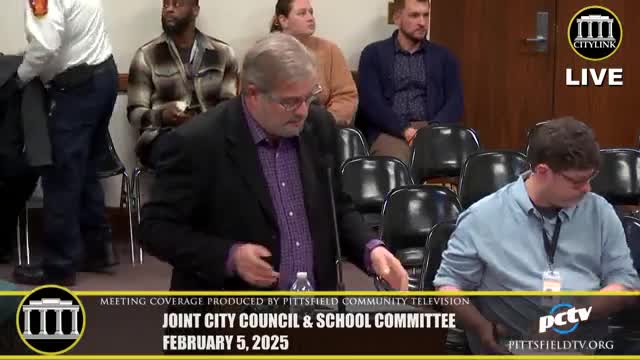
Pittsfield municipal officials opened the fiscal year 2026 budget process at a joint meeting of the City Council and School Committee, with the mayor and finance staff warning that a projected rise in health-insurance costs could offset increases in state education aid.
Pittsfield municipal officials opened the fiscal year 2026 budget process at a joint meeting of the City Council and School Committee, with the mayor and finance staff warning that a projected rise in health-insurance costs could offset increases in state education aid.
City officials said state Chapter 70 education funding in the governor’s budget produced higher aid numbers, but a health-insurance projection range given by the municipal health trust of 9%–19% (a cited average of 14.8%) could add roughly $4.5 million to city costs — roughly equal to the reported Chapter 70 increase the mayor cited. “We win some, we lose some,” the mayor said, asking officials to be prepared for a difficult budget cycle.
Key figures presented: general stabilization balance about $5.0 million (reported as $5,000,008.32), certified free cash $8,178,006.25 (certified for FY25), and an estimated maximum allowable levy for FY26 of roughly $119.0 million (preliminary and subject to changes in new growth). Year-to-date general fund expenses and revenue-to-date figures were presented with typical midyear pacing: municipal appropriations around $114 million and school appropriations around $82 million for FY25, with expenses and receipts at various midyear percentages.
Officials also reported that the city expects continued pressure from retirement funding (a reported FY26 retirement contribution of about $18.0 million, a roughly 5.2% increase, based on actuarial schedules) and a long-term debt principal and interest increase estimated at 9.5% for FY26. The administration said it maintained a double A+ bond rating in a recent issuance.
Local receipts such as hotel and meals taxes were reported at favorable year-to-date percentages; cannabis excise receipts were below benchmark and described as a declining revenue source for the city. The administration noted new growth — the county and city assessment process — and reminded the council that assessed values used for FY26 are based on sales in the preceding two years.
Budget process and direction: The mayor said department heads will submit budgets they believe are needed to run departments rather than supplying multiple “level” scenarios; the administration will make strategic decisions. Officials said they will update the council quarterly on items such as changes in health insurance premiums and the performance of the new trash-and-recycling program, which the mayor said is producing net savings and higher recycling rates.
Council action: A motion to accept the financial-condition presentation and place it on file was made and passed by voice vote; the transcript records the motion and unanimous voice vote without a roll-call tally. The meeting closed after routine motions to accept and place the report on file and to adjourn the joint session.
Ending: No budget decisions were adopted at the meeting; officials will continue negotiations with unions and refine revenue and expense estimates as the FY26 process continues.