Get Full Government Meeting Transcripts, Videos, & Alerts Forever!
Get email alerts on the Public Health Fees topic
No spam. Unsubscribe anytime.
Lynn City Board of Health approves 25% increase to health-related fees
Summary
The Lynn City Board of Health voted to approve a package of fee increases, including new and revised charges for food plan reviews, tattoo plan review, tobacco sales and Title 5 septic plan reviews; the changes are expected to take effect March 1.
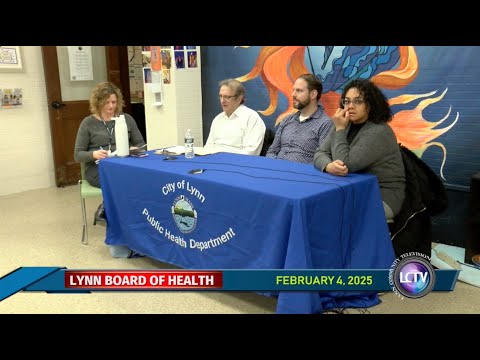
Chairperson (name not specified) presided over the Lynn City Board of Health meeting on Feb. 4 and led the board in approving a set of increased fees for public-health permits and plan reviews.
The board voted, by voice, to approve a proposed schedule of fee increases — described in the meeting as a uniform 25% adjustment across many line items and the creation of several new fees — with changes to take effect March 1. Chairperson (name not specified) said “none of these fees...have been risen since 02/2020, '5 years ago,” and urged the board to consider cost impacts on residents even while supporting the director’s recommendation.
April, chief health inspector, explained the rationale and details of the package. She said the department largely aligned its fees with the North Shore Public Health Collaborative and described specific changes: creation of a tattoo plan-review fee and a new “modified food plan review” intended for smaller or limited changes so businesses do not always need a full (and more costly) plan review. April said, “the modified food plan review will help significantly on that, and be a lesser cost for the food industry.”
April also noted that the food permit schedule previously allowed some six-month permits to be priced much lower than the proportional six-month share of an annual permit, creating inconsistent charges. The proposed schedule standardizes those fees and rounds amounts to whole dollars to avoid awkward cents totals. Tobacco retail fees were doubled, which April said was intended as a public-health signal and to align with changes the collaborative members are making.
The board discussed concerns about the distribution of fee revenue. Chairperson (name not specified) raised recurring concerns that permit revenue goes into the city’s general fund rather than directly to the health department, calling for transparency and asking whether the board could receive a small share; the transcript records the concern but no change to revenue allocation was made during the meeting.
The board also added septic and sewage-related fees under “Title 5” for sewage disposal and septic plan reviews; April said the fee covers the department’s contractor costs and is not designed to produce departmental profit. The department indicated the number of septic systems in the city is small but that plan-review activity occurs periodically.
A motion to adopt the fee schedule was made by Chairperson (name not specified). The board approved the motion by voice vote; recorded verbal responses in the meeting were “Aye.” April said the effective date would be March 1 and recommended mass notice by email and posting on the city website so permit holders are aware.
The board did not discuss appeals related to these fee changes at the meeting; a separate agenda item concerning an appeal was noted as having no submissions and therefore not pursued.
Ending: The fee schedule approval completes the department’s five-year update cycle for fees; the board signaled it will monitor implementation and public messaging, while some members expressed interest in examining whether any portion of permit revenue can be earmarked for the health department in the future.