Get Full Government Meeting Transcripts, Videos, & Alerts Forever!
Get email alerts on the Budget topic
No spam. Unsubscribe anytime.
Prince William County Schools propose $1.89 billion FY‑26 budget with large pay increases and targeted staff additions
Summary
Superintendent LaTanya McDade presented a $1.89 billion FY‑26 operating and debt budget that directs $83.2 million to compensation increases and $46.7 million to strategic student supports while addressing falling overall enrollment and rising needs for English learners and students with disabilities.
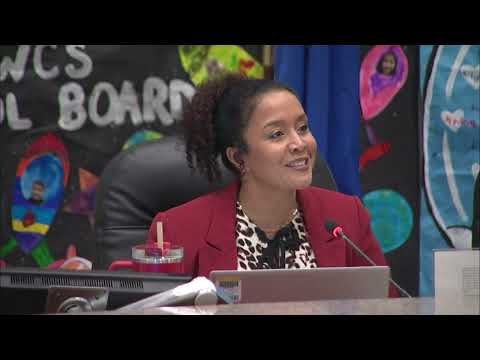
Prince William County Public Schools Superintendent LaTanya McDade presented the fiscal year 2026 proposed operating and capital budget to the School Board on Feb. 5, 2025, asking the board to consider a $1.89 billion package that funds large districtwide pay increases and targeted hires.
The superintendent described the proposal as a budget aligned to PWCS's strategic plan and said it will support "the continued improvement as a school system." Chief Financial Officer Shaquille Youssef outlined the totals: "The proposed total operating budget and debt budget amounts to $1,890,000,000 reflecting an increase of $111,300,000 from the approved FY 2025 budget." The presentation tied investments to four priorities: learning and achievement, climate and culture, family and community engagement, and organizational coherence.
Why it matters: the plan aims to raise starting and midcareer pay to compete with neighboring districts while funding classroom and student supports in response to shifting student needs. The division projects a decline in total enrollment to 89,442 students for FY‑26 (a reduction of 2,633 from the FY‑25 projection) while reporting year‑over‑year increases in higher‑need subgroups: English learners, students with disabilities and economically disadvantaged students.
Most significant spending highlights
- Compensation: $83.2 million of the $111.3 million increase is allocated to pay and benefits. Dr. Donna Eagle, chief human resources officer, said the certified (teacher) group would see an overall average salary increase of about 6.8 percent (varies by lane and step), with an entry step increase that raises the bachelor’s starting salary from $57,340 to $62,562. Classified staff receive an overall average of roughly 7.4 percent and administrative scales an average near 6.8 percent. The division said the combined bargaining package represents an average increase of about 6.9 percent across employee groups for FY‑26.
- Strategic staffing and services: $46.7 million is earmarked for new investments including 50 additional special‑education teaching assistants, approximately 39.3 FTEs to meet new state English‑learner staffing minimums, 15 behavior specialists, five additional graduation coaches (bringing the total to eight), five school psychologists, five kindergarten teacher assistants, and school‑based deans of students at secondary schools. The plan also adds 20 bus attendants and five car/van drivers, expands the PWCS apprentice and student‑teacher pipeline programs, and funds enhancements to the division’s Global Welcome Center and family engagement tools.
- Sources and uses: Youssef said nearly 47 percent of funding is expected from county sources, about 41 percent from state aid and roughly 2.7 percent from federal funds; sales tax, beginning balances and other sources make up the remainder. The proposed five‑year capital improvement program (CIP) totals approximately $1.1 billion, with a significant investment in deferred maintenance (notably HVAC systems).
Board discussion and next steps
Board members questioned implementation details and long‑term sustainability. Board Member Zargarpur asked about counselor ratios and how the new positions would affect student support; Dr. McDade and staff said the division meets current state ratios but remains below the American School Counselor Association recommendation of 1:250. CFO Youssef and Dr. McDade said some investments (for example, the English‑learner staffing) were enabled by specific state funding changes.
The timeline shared at the meeting lists a public hearing on Feb. 10, county executive budget presentation Feb. 18, school board markup in March, board adoption March 19, and subsequent Board of County Supervisors action in April.
The superintendent closed the presentation by saying the budget aligns financial resources to the district’s priorities and that the division will accept board feedback during upcoming markups.
Ending: Board members praised the proposed pay increases and the focus on student supports; the presentation now moves to a public hearing and a formal markup and vote in March.