Get Full Government Meeting Transcripts, Videos, & Alerts Forever!
Get email alerts on the Early Childhood Education topic
No spam. Unsubscribe anytime.
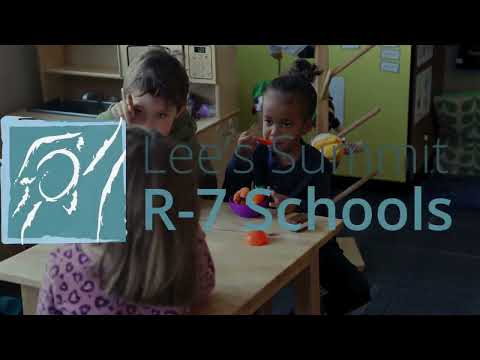
Presenter says classroom centers make learning feel like play and support multiple developmental skills
Summary
A meeting speaker described how classroom "centers" — themed learning areas such as dramatic play, art, blocks, science and math — support cognitive, social-emotional, physical and language development in young children.
Staff member said, "Centers create an environment where learning feels like play," arguing that play-based centers help early learners develop a range of skills including cognition, social and emotional growth, physical development, language and communication, and independence and confidence.
The speaker described common center types used in early childhood classrooms: a dramatic play center to encourage imagination and role play; an art center for creative expression; a block center to develop spatial awareness, problem solving and teamwork; a science and sensory area for hands-on experiments and exploration; a math and manipulative center reinforcing early math skills through puzzles, counting, sorting and pattern activities; and a reading and writing center to support early literacy with books, writing materials and storytelling activities.
The presenter framed these centers as integrated components of early learning environments rather than isolated activities, saying they often appear together in classroom layouts and each contributes to distinct skill development. The remarks were presented as a description of classroom practice; no formal actions, votes or policy decisions were recorded during this portion of the meeting.
No funding sources, program names, statutory authorities or implementation deadlines were discussed in the transcript excerpt. The comment occurred during a single speaker presentation and lasted about one minute.