Get Full Government Meeting Transcripts, Videos, & Alerts Forever!
Get email alerts on the Firearm Policy topic
No spam. Unsubscribe anytime.
City council rejects motion to allow firearm carry in city buildings after insurance concerns
Summary
Council voted 3–4 to defeat a motion to allow firearms in city buildings; discussion focused on insurance exposure, a recent Lebanon, Ohio, lawsuit, and requests for more legal analysis and staff input.
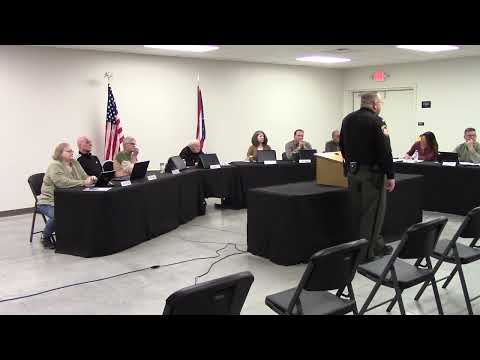
The City of New Carlisle council on Jan. 21 rejected a motion to allow firearms to be carried in city buildings, after an extended discussion about insurance, legal exposure and employee comfort.
Council members voted 3–4 on the motion to permit firearm carry in city buildings. Mayor Cook, Councilman Bond and Vice Mayor Abelston voted yes; Councilwoman Grove, Councilman Schamey, Councilwoman Wright and Councilman Lindsay voted no. The chair announced: "So failed."
Council discussion and the city manager's report centered on insurance exposure and legal risk. The city manager said two large insurers declined to add firearm‑exposure coverage for municipalities and that a specialty insurer that would write the coverage quoted about a 25% premium increase (the manager described it as a roughly $25,000 annual premium estimate for the city). He also referenced a recent case in Lebanon, Ohio, saying the municipality "did win, but I think that cost them 27,000 or more," and noted that suits and defense costs can trigger immediate insurance-defense obligations and later premium increases.
Several council members and members of the public raised employee-safety and public-safety concerns. Some council members asked for additional legal analysis from the law director (named Jake in discussion) and recommended surveying employees and relevant unions about whether staff would be comfortable with the change. A council member asked whether the city’s law director would incur additional legal costs if the city defended policy changes; the manager said there would likely be costs but did not specify an amount.
Before the vote, one council member said she wanted "more information from Jake," and other members of council and public commentators urged caution because of employee safety and potential litigation. The council did not amend legislation during the meeting; after the vote, members asked staff to gather additional information and input from employees and unions.
Ending: The motion failed and no ordinance or policy change was adopted; council members directed staff to obtain additional legal advice, insurance estimates, and employee/unions input before any future proposal is advanced to ordinance.