Get Full Government Meeting Transcripts, Videos, & Alerts Forever!
Get email alerts on the Public Safety Sheriff topic
No spam. Unsubscribe anytime.
Sheriff outlines staffing push, jail replacement plan after large overtime costs
Summary
The county sheriff told the New Carlisle City Council that overtime costs topped $1.33 million last year and that the department is hiring deputies while studying sites and financing for a new jail.
The county sheriff told the City of New Carlisle council on Jan. 21 that his office is increasing hiring and road-patrol staffing after overtime costs topped $1.33 million last year.
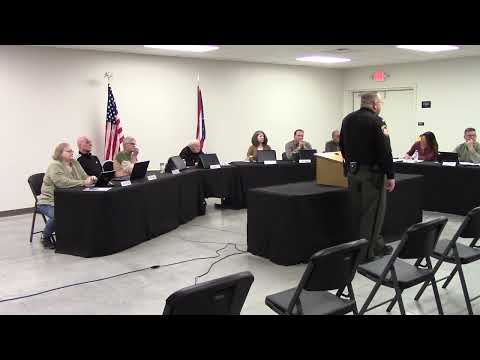
At a City Council meeting, the sheriff — who took office Jan. 6 and spoke during the council’s public session — described heavy early overtime and said his office is recruiting deputies and reassigning staff to reduce recurring overtime expenses. "Last year, Clark County Sheriff's Office spent $1,330,000 in overtime," he said.
The sheriff said about 70% of overtime costs are outside dispatch and that the department plans to “beef up” road patrols to reduce forced overtime. He told the council the department will staff 10 officers per shift in road patrols across the county and maintain a minimum four-person regular road-patrol staffing to avoid chronic overtime. "If I'm spending a million dollars in overtime," he said, "it would be perfectly feasible for me to hire 4 deputies ... and save that $400,000 and create a situation where the overtime is not going to be so prominent."
The sheriff also reported the county jail — built in 1980 and with a design capacity of 184 beds — now averages roughly 195 inmates and cannot meet current minimum jail standards because of the physical plant. He said a feasibility study concluded renovating the existing facility would be more expensive than building a new jail. "We are looking to build a new facility," he told the council, estimating a new jail could cost about $100,000,000 for the physical structure plus 20–25% in soft costs; he said an earlier estimate four or five years ago was about $50,000,000.
The sheriff said the new facility being considered would require at least a 10-acre site and would be sized for roughly 300–435 beds, depending on program and court space included. He said additions such as medical or programming space increase both construction and long-term operating costs and that an advisory group of local judges, probation, and police representatives is helping shape the plan.
Council members asked about whether the old jail would remain in use; the sheriff said the plan is not to keep the old facility because it cannot be made to meet current standards, and that the property would likely be razed and repurposed. He estimated the roster of deputies with arrest authority at roughly 100.
The sheriff requested ongoing communication with the council and said he planned regular reports. He also described short-term measures to reduce overtime by restoring proactive patrols and filling road-patrol vacancies so deputies are less likely to be repeatedly ordered in for extra shifts.
Ending: The council discussion raised staffing and long-range facility needs but did not produce a vote or formal direction on the jail; the sheriff said he will return to council for updates and that the jail planning will include financing steps such as a bond process that the department expects to pursue.