
High‑school service-for-tuition proposal draws support from student authors and fiscal concerns from DOE
Get AI-powered insights, summaries, and transcripts
Subscribe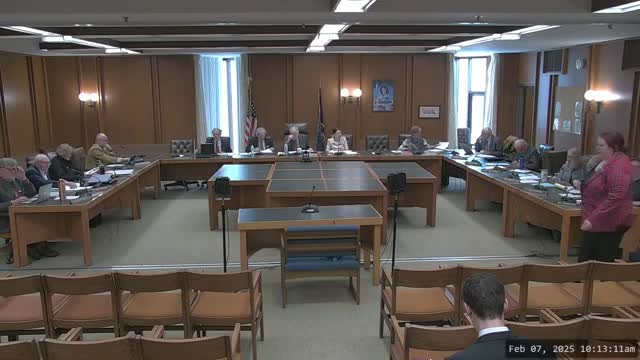
Summary
Lawmakers heard HB 770, a measure to let New Hampshire high‑school students earn tuition credits at state colleges through verified community service; student backers framed the plan as a win for schools, students and communities, but the Department of Education warned of substantial administrative costs.
The committee heard HB 770, which would create a statewide program allowing New Hampshire high‑school students to earn tuition credits at state colleges in exchange for verified volunteer service.
Representative Schultz, who re‑introduced the concept, described the measure as the "triple win": increasing high‑school civic service, making higher education more affordable and strengthening community organizations through predictable student labor. Ryan Casey, a high‑school student who worked with the bill’s original author and sponsor, said the program would "make higher education attainable and affordable" and argued it would connect students to local employers and community organizations.
Department of Education director Steve Appleby told the committee the draft carries substantial administrative costs. The department’s revised fiscal note estimated the need for at least three full‑time staff to implement and oversee the program, software to track student hours, site approvals and institutions’ coordination; the department presented a wide potential cost range and said participation numbers are uncertain — from modest to tens of thousands of students depending on eligibility and local uptake.
Committee members focused on eligibility questions: whether private‑school students or students receiving existing grants (for example, the university system’s grant programs) would be included; how mandatory school service hours would be treated; whether participating volunteer hours would be permitted to overlap with required school hours; and whether public schools — which are often the largest local employers — would be eligible as receiving employers. Student witnesses and the sponsor said the intent is to encourage voluntary service and that mandatory school service hours could be excluded by amendment.
The State Board of Education and DOE staff will need to develop rules for approved volunteer sites, documentation forms, and distribution of credits. The committee closed the hearing after testimony from supporters and the department and left the bill in committee for further review.