Get Full Government Meeting Transcripts, Videos, & Alerts Forever!
Get email alerts on the Agriculture Policy topic
No spam. Unsubscribe anytime.
Planning commission reviews agricultural priority-area analysis as county seeks tools to preserve 60,000 acres
Summary
Staff presented an analysis showing the county’s target of preserving 60,000 acres of agricultural land will require new tools and targeted spending; staff recommended concentrating purchase and zoning incentives in established focus areas and pursuing local funding mechanisms in addition to state programs.
St. Mary’s County planning staff on Sept. 8 told the Planning Commission that meeting the county’s goal to preserve 60,000 acres of agricultural land will require new approaches, additional local funding tools and targeted use of existing state and federal programs.
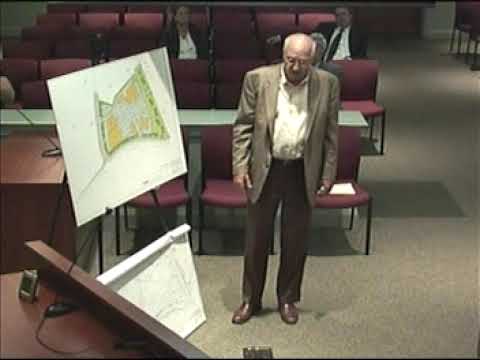
Sue Beeth, environmental planner for the county, and Jeff (staff presenter), summarized an analysis and mapped focus areas in the county. Beeth explained the technical result of staff’s parcel analysis: “If you took all of those lands that are eligible, that you could only preserve and you preserved every acre of them, you would only preserve about 36,000 acres,” she told commissioners, adding that the county’s 2005 Land Preservation, Parks and Recreation Plan already identified primary agricultural focus areas in the northwest and central county.
Why it matters: the 2006 state Agricultural Stewardship Act and planning guidance require a priority preservation component in the comprehensive plan for counties with certified agricultural land-preservation programs; St. Mary’s County’s program was certified in 1995. Staff said existing state funding (MALPF) and county purchase programs alone are unlikely to reach the county’s 60,000‑acre target without additional local strategies.
Staff outlined current counts and gaps: roughly 29,000 acres are already preserved in easements and public land (a figure that includes federal and state holdings), rural legacy areas account for about 3,300 acres in one legacy area and about 2,200 in another, and staff’s eligibility analysis identified about 36,000 acres of privately eligible parcels under current programs. Combining preserved acreage and publicly owned lands leaves a significant shortfall versus the 60,000‑acre goal; staff said that shortfall requires targeted tools and incentives.
Options discussed included: creating voluntary agricultural zoning with transfer/credit inducements (for example, down‑zoning in exchange for TDRs or other credits), establishing an installment‑purchase easement program that spreads payments over multiple years, using fee‑in‑lieu revenue to target smaller or strategically contiguous parcels, and exploring partnerships with land trusts. Staff also recommended focusing local purchase and incentive programs first on the county’s primary agricultural focus areas and the two rural legacy areas to achieve critical mass and contiguous preserved corridors.
Commissioners and staff discussed other implementation issues. Beeth noted that Amish and Mennonite parcels, mapped by the county, comprise numerous mid‑sized farms that typically do not participate in government easement programs and whose preservation may require different, non‑governmental tools. Staff also emphasized the importance of protecting contiguous forest and riparian corridors for habitat (forest interior dwelling species) and suggested combining open‑space protections with agricultural preservation to reduce fragmentation.
Next steps: staff said it will incorporate agricultural priority‑area language and proposed tools into the comprehensive plan draft and bring proposed implementation language back to the commission. Commissioners asked staff to quantify impacts of any proposed change to open‑space requirements inside development districts before adoption and to return with more detailed cost and program options for local purchase/instalment programs.