Get Full Government Meeting Transcripts, Videos, & Alerts Forever!
Get email alerts on the Early Childhood Development topic
No spam. Unsubscribe anytime.
Davis County School District officials urge parents to talk, read and hold infants to boost early brain development
Summary
Davis County School District leaders and early‑childhood staff say simple daily actions — talking to babies, reading aloud and skin‑to‑skin contact — support brain development in the first five years and improve school readiness, and provide contact information for local Head Start services.
Dan Linford, superintendent of the Davis County School District, and early‑childhood program staff told viewers in a district video that parents and caregivers can strengthen infants’ early brain development through everyday interactions.
“From the time a child is born, they begin learning from the people who care for them and from the environment in which they live,” said Dan Linford, superintendent of the Davis County School District. He introduced the video by congratulating parents on new babies and stressing the role caregivers play in early learning.
Maryann Henderson, director of early childhood programs at the Family Enrichment Center in Kaysville, said the earliest years are especially important for brain growth. “Did you know that 90% of child's brain development happens by the time they are 5 years old?” Henderson said. She then offered three specific, everyday practices parents can use immediately: narrating daily activities to the child (self‑talk), reading aloud and providing skin‑to‑skin contact.
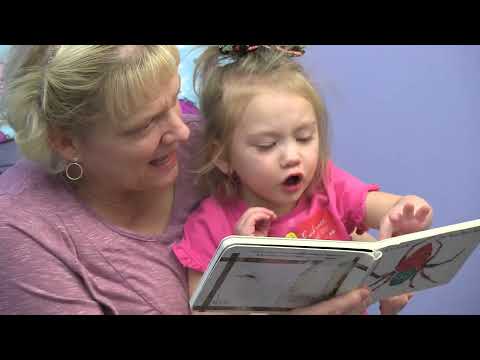
Henderson described self‑talk as a way to build vocabulary and connection: “You can say, I am changing your diaper now. It feels clean and fresh. Or look, it's a bright yellow giraffe.” On reading, she advised parents to choose books with bright pictures and simple words and to point to pictures and name what they see. “Even if they don't understand all your words yet, they are soaking up so much just by hearing you,” she said.
Henderson emphasized physical closeness as well: “The last way is skin to skin contact. Holding, cuddling your baby are just as important as talking and reading. These moments of closeness help your baby feel safe and loved, which is the foundation for healthy brain development.” She added that smiles, eye contact and gentle touch strengthen caregiver‑child bonds.
A district staff member in the video cited a study attributed to Ohio State University, saying children read to before age 5 “had over a million extra words in their vocabulary compared to those that didn't have any reading,” and linked larger vocabularies to greater readiness for school. A classroom teacher in the video said she can spot children who arrive with early literacy exposure: “Those kids, their vocabulary is better. They can understand things. They can use bigger words.”
The video concludes by listing local early learning programs and a contact for families seeking help: Head Start, Early Head Start and Title I Preschool; parents were given a phone number for the district office, (801) 402‑0650, for more information.
The presentation is instructional and informational; no formal board action or policy change was announced in the video.