Get Full Government Meeting Transcripts, Videos, & Alerts Forever!
Get email alerts on the Comprehensive Plan Workforce Housing topic
No spam. Unsubscribe anytime.
Planning staff summarizes comprehensive plan update, community outreach and workforce housing options
Summary
Planning staff summarized a five-meeting public outreach series, priorities from community feedback and next steps on a comprehensive plan amendment that will include a workforce-housing element and related zoning text amendments; staff said adequate public facilities and an annual growth policy take effect Sept. 4.
St. Mary's County planning staff presented a summary of five July community meetings and discussed workforce-housing policy options as part of the comprehensive plan update at the Planning Commission meeting on Aug. 25.
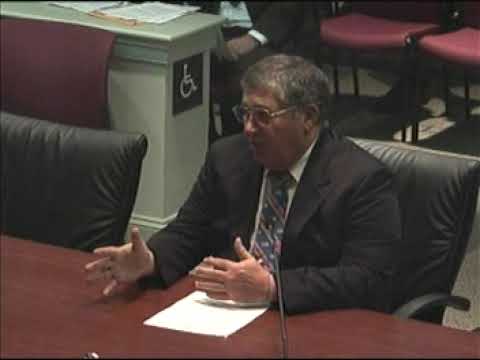
Dennis Canavan and planning staff reported that the five community meetings (held at Lehi-Dent Elementary, Seventh District Volunteer Fire Department, Leonardtown Middle School, Lexington Park Library and Ridge Elementary) produced recurring themes: support for concentrating growth in designated development areas, interest in preserving rural character and agricultural lands in the county’s northwestern reaches, and requests for more workforce housing, transit options and park-and-ride facilities. Staff said attendance at the sessions was modest but that breakout-group discussions yielded focused comments and mapped priorities for further drafting.
Canavan told commissioners the staff intends to incorporate the workforce-housing element in the comprehensive plan so the county may pursue state funding for that initiative. He described the workforce-housing task force recommendation to consider a zoning text amendment that would allow increased density within development districts in return for reserving a number of units as workforce housing; the remaining units could be offered at market rate to preserve developer incentives. Canavan said staff could prepare the text amendment separately from the master-plan adoption process and bring it back through the normal public-hearing process.
Commissioners and staff discussed implementation mechanics that emerged in the meetings and from prior policy: transfer-of-development-rights (TDR) requirements, the impact of open-space minimums (for example, the RL zone’s 50 percent open-space requirement in some areas), and possible fee-in-lieu mechanisms that would allow developers to opt out of on-site workforce units while creating a county fund to acquire land or produce units elsewhere. Staff noted a current county provision that allows an extra unit per acre without buying TDRs when the project provides units for households at or below a defined affordability threshold; staff said that provision has had limited uptake and is one reason the task force is exploring stronger incentives or mandates.
Canavan also provided an update on the county’s newly adopted annual growth policy and adequate public facilities ordinance: the Board of County Commissioners is expected to sign the associated resolutions imminently and the effective date was announced as Sept. 4. Under the new growth allocation numbers quoted in the briefing, staff said the county’s yield for the coming period is 1.9 percent growth allocation, equivalent to an allowance of 795 dwelling units on approved preliminary plans (compared with a recommended 2.25 percent allocation that would allow a maximum yield of 941 units). Staff said they will use September 30 enrollment and pending preliminary plans to produce the statutory January report to the Board of County Commissioners.
Planning staff told the commission they will post outreach summaries online, pursue an online survey option for additional comment, bring draft master-plan language back to the commission in the coming months, and coordinate any zoning text amendments with the workforce-housing task force and the Board of County Commissioners. No formal commission action was taken at the meeting on the comprehensive-plan amendments or on workforce-housing text language.