Get Full Government Meeting Transcripts, Videos, & Alerts Forever!
Get email alerts on the School Mental Health topic
No spam. Unsubscribe anytime.
Therapy dog program highlights mental-health support in St. Cloud schools
Summary
A volunteer nonprofit described its therapy-dog visits to St. Cloud schools, reporting local teams, training standards, insurance requirements and requests for district partnerships and volunteer handlers.
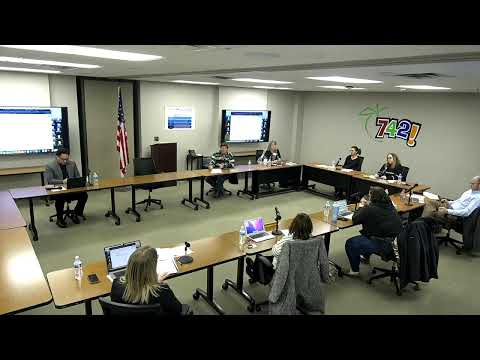
Amy Tyson Walls, founder of the nonprofit You're Not Alone, told the St. Cloud Public School District board on Feb. 5 that her group pairs certified therapy-dog teams with schools to provide short, voluntary interactions designed to help students and staff manage stress and build connections.
The presentation outlined the program's reach, training and operations and asked the district to consider placements and volunteer handlers. "The semicolon is a pause," Walls said, describing the program's mental-health message and the hope the dogs bring to students. "We never want any family to feel as alone on an island like we did." Jenny Schott, a school counselor at St. Cloud Tech High School, described how her facility dog Murphy has helped students and staff: "I have yet to see a person walk by, look at him, and not smile." Founding board member Kurt Fazen said You're Not Alone has reached students across Minnesota and beyond and requested financial and volunteer partnerships to expand placements in St. Cloud.
You're Not Alone said it assigns one handler-and-dog team to a school for weekly two-hour visits for small groups or structured activities; some handlers also serve as facility dogs that come to work almost daily. Walls said the organization asks teams to commit to curriculum and protocols, and to follow certification standards such as Canine Good Citizen and therapy-dog testing. She described re-certification every two years and named national certifiers including Pet Partners, Alliance of Therapy Dogs and Therapy Dogs United.
Presenters described liability and insurance practices: certifying organizations typically provide liability coverage while handlers are volunteering, but facility dogs present during a staff member's paid workday may require the handler to carry additional umbrella or homeowners coverage. Walls said certification-group insurance costs about $40 per year for membership; added umbrella coverage for a handler can range from roughly $3.50 to $500 per year depending on the policy. She also described the program's funding model: teams volunteer services and the nonprofit accepts donations and sells merchandise; the group may provide small “PAW packs” and materials to schools at no charge.
Program scale and local placements were detailed: You're Not Alone said it now works in roughly 42 schools and reached more than 16,000 students across Minnesota and beyond. Walls and Schott described classroom and small-group approaches used to introduce dogs safely, and emphasized previsit training for students about animal interaction, privacy and consent. The presenters said handlers must keep animals leashed, under control and subject to a certification process that includes obedience, socialization and distraction testing.
Board members asked about training, frequency and liability. Walls described the therapy-dog certification tests as strict and listed common test elements — loose-leash walking, ignoring food or toys, sit/stay on command, and responding after distraction — and said teams carry policies from certifying organizations that include multi-million-dollar liability limits. Schott said the presence of Murphy has helped both students who would not otherwise visit counseling services and staff who seek a brief, calming interaction.
Walls left sample materials and offered to help train local volunteers and handlers for St. Cloud schools. She also requested help identifying staff or community members who could pursue certification and placement.
The presentation was informational only; the board did not take formal action on the program during the meeting.