Get Full Government Meeting Transcripts, Videos, & Alerts Forever!
Get email alerts on the Economic Development topic
No spam. Unsubscribe anytime.
House Labor, Commerce and Industry committee outlines focus on small businesses, rural revitalization and workforce
Summary
At an organizational meeting, the House Labor, Commerce and Industry Committee set priorities including small-business supports, rural infrastructure and workforce development; members also raised liquor-liability concerns and competition between existing firms and new entrants that receive incentives.
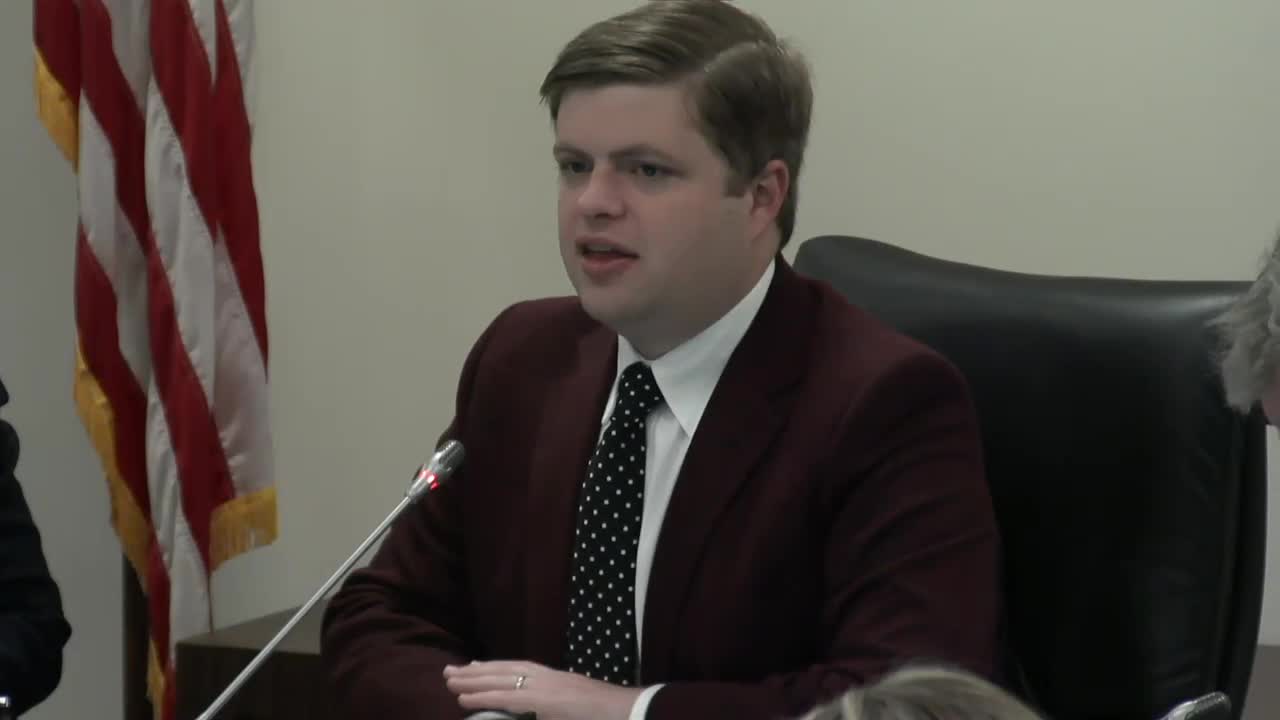
The House Labor, Commerce and Industry Committee met for an organizational session to set its priorities for the coming term and named leadership for the panel.
The committee’s chair (name not specified in the transcript) opened the meeting by thanking Speaker Smith for reconstituting the panel and announced the chair’s appointment and that Steven Long has been named vice chair. The chair said the committee will focus on small businesses, rural infrastructure and downtown revitalization, and called for work to attract corporate headquarters and retain working-age adults.
The chair summarized a pair of statistics for committee consideration: “So we are losing currently 30% of our college graduates,” the chair said, and added that South Carolina is “the number 1 state for in migration,” which the chair said does not align with the loss of college graduates. The chair urged members to consider how to bring and keep working-age adults and corporate headquarters to the state and noted energy bills that “originated in this committee” are pending next week and that a workforce bill that originated in the committee passed two years ago and is now law.
Representative Fifth (recorded as Mr. Fifth) urged the panel to address liquor-liability exposure for small businesses, saying liability concerns affect not only opening new businesses but also their ability to stay open. Representative Kirby raised concerns about the competitiveness of existing local businesses after new entrants receive negotiated supports such as fee-in-lieu arrangements, recounting a local manufacturing example where an incumbent became uneconomic when a new competitor arrived with a significant development package.
Representative Jewett (recorded as Miss Jewett) connected the committee’s manufacturing and business recruitment work to a workforce shortage in health care, saying the state is short about 1,800 workers now and that shortfall could grow to about 3,000; she also referenced testimony from SC Bio and said its industry’s average starting salary is over $100,000.
The meeting was procedural and brief. No formal committee bills or ordinances were introduced or voted on during this session; the only formal motion recorded was a motion to adjourn, which was approved. The chair said the committee will reconvene soon to begin substantive work on the priorities discussed.
The committee discussion combined policy and economic-development topics the chair said will guide the panel’s agenda: supports for small businesses; rural infrastructure investments and downtown revitalization; workforce attraction and retention, including corporate headquarter recruitment; and scrutiny of liability and incentive structures that affect local incumbents.
Adjournment: A motion to adjourn was made and carried by voice vote; specific mover and recorded roll-call votes were not specified in the transcript.