Get Full Government Meeting Transcripts, Videos, & Alerts Forever!
Get email alerts on the Adus National Seashore topic
No spam. Unsubscribe anytime.
County authorizes administrator to seek special counsel on ADU permitting inside Cape Cod National Seashore
Summary
Barnstable County commissioners authorized the county administrator to interview potential special counsel to explore legislative or other remedies addressing permitting of accessory dwelling units (ADUs) within the Cape Cod National Seashore, citing a perceived conflict between the Affordable Homes Act and protections for the Seashore.
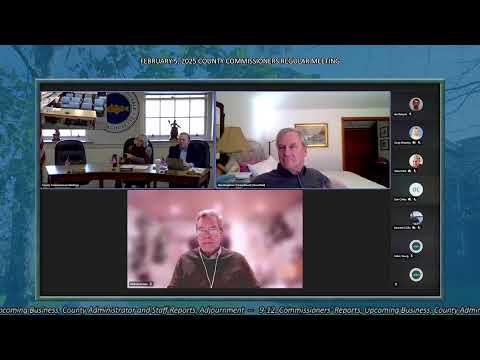
Barnstable County commissioners voted Feb. 5 to authorize the county administrator to interview potential special counsel to assist in drafting legislation or other remedies addressing permitting of accessory dwelling units (ADUs) within the Cape Cod National Seashore.
Commissioners said the recently enacted Affordable Homes Act (as discussed during the meeting) may create permitting rights that were not intended to apply within the National Seashore, and they raised concerns about preserving the Seashore—s protections and the area—s character. "The Affordable Homes Act—s right-to-build language was not developed with the National Seashore in mind," said Commissioner Sheila Lyons during the discussion; she and other commissioners argued that an explicit legislative exemption or other remedy may be needed to avoid opening loopholes on protected lands.
Commissioners and advisory leaders said towns within the Seashore are small and may lack bandwidth to litigate or draft complex statutory remedies individually. The board discussed coordinating a county-level approach so towns would not each have to pursue separate actions. Commissioner Mark Forrest moved to authorize the administrator to interview potential special counsel; Commissioners approved the motion on a roll-call vote.
Why it matters: Commissioners said the Seashore is a protected federal unit created decades ago and cited local concerns that permitting changes could undermine protections or create pressure for more intensive development in seashore areas. The board cited an occurrence in Wellfleet and conversations with Rich Delaney, chair of the Seashore Advisory Committee, as part of the rationale for seeking counsel and potential legislative language.
Next steps: The administrator was authorized to interview and meet with possible special counsel to identify legal options, which could include a legislative exemption, Department of the Interior engagement, or other remedies. Commissioners asked the administrator to consult with the National Seashore staff and provide recommendations about next steps and timeframes.