Santee Cooper ends rate lock, approves modest rate adjustment and outlines $7.6 billion capital plan
Loading...
Summary
Santee Cooper reported it ended a rate‑lock period tied to the VC Summer settlement, executed a large refinancing that produced customer savings, and the board approved a first rate adjustment since 2017 (4.9%). The utility presented a $7.6–7.8 billion 10‑year capital plan and described customer outreach and new rate structures.
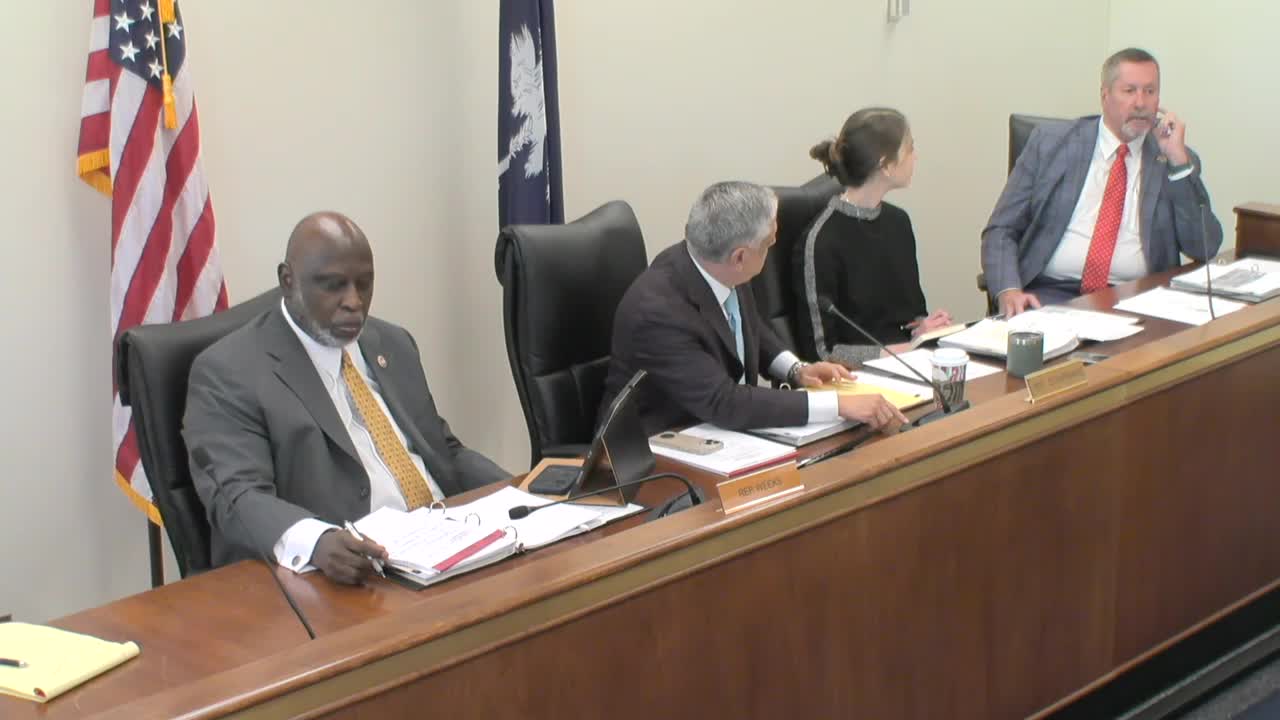
Santee Cooper officials told the Economic Development Budget Subcommittee that the utility has emerged from a rate lock tied to the VC Summer settlement, completed a major refinancing that reduced customer costs and the board approved a 4.9% rate adjustment — the first since 2017.
Ken Lott, Santee Cooper’s chief financial and administration officer, said the utility closed a large refinancing of roughly $925 million in 2024 — the second largest transaction in the utility’s history — that produced approximately $180 million in gross savings and was six times oversubscribed. Over the past five years, Santee Cooper said it has refinanced about $3.1 billion in debt, generating nearly $980 million in customer savings.
The board approved a rate adjustment that Lott described as an overall 4.9% increase, the product of the first full rate study since 2015 and the statutory process established in Act 90 of 2021. Lott said the adjustment is still below cumulative inflation since the last study and that average customer bills remain substantially lower than other large utilities in the state. The utility also introduced a three‑part residential rate including an energy charge, a demand/peak component and a fixed customer charge; Lott said the energy charge will be reduced by roughly 34% while the demand component is intended to better allocate costs to customers who drive on‑peak capacity needs.
Santee Cooper presented a 10‑year capital plan totaling about $7.6–7.8 billion, with roughly $4.6 billion projected to be financed through debt and the remainder from cash or other sources. Lott said the utility remains among the nation's top performers on distribution reliability and emphasized customer outreach: account‑level notifications and bill inserts explaining how households can reduce demand and lower bills under the new structure.
On resource planning, Santee Cooper said it is pursuing “no‑regret” investments and modeling greenhouse gas rule impacts; the utility estimated a potential $6.5 billion compliance cost to meet a referenced greenhouse‑gas rule that would translate to a roughly 20% rate increase if it became binding in the forecast window. Santee Cooper also reported planned leadership additions (new general counsel and a chief strategy officer) and reiterated annual payments back to the state of roughly 1% of budgeted revenues.
Committee members asked about cold‑weather preparedness and capacity; Santee Cooper said it had met demand during a recent cold snap and is coordinating outage and response planning with distribution co‑ops.