Get Full Government Meeting Transcripts, Videos, & Alerts Forever!
Get email alerts on the Attendance And Accreditation topic
No spam. Unsubscribe anytime.
Planned‑absence withdrawal bill fails in subcommittee after debate over accreditation impacts
Summary
House Bill 17‑69, which would allow school divisions to withdraw students in advance for planned absences of more than 15 days so those absences would not count toward chronic‑absence measures, failed to get a committee recommendation after members voiced concerns about incentives and administrative effects.
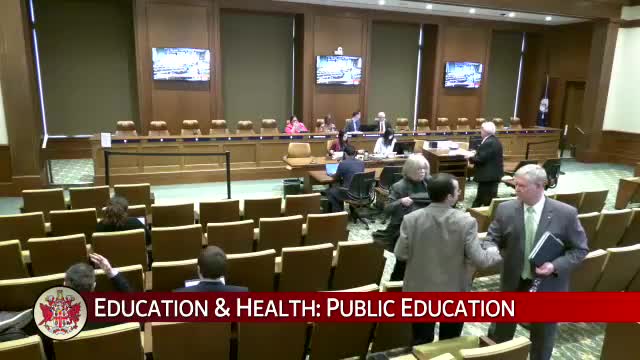
Lede: The subcommittee considered House Bill 17‑69, a proposal to allow school divisions to withdraw students in advance of a planned absence of more than 15 days so that those known absences would not count against the school’s chronic‑absence totals. The committee did not recommend the bill on the day of the hearing (motion failed 2‑3).
Nut graf: Sponsors said the change would protect school accreditation from predictable, planned absences (for example, extended family travel or medical treatment) that divisions already know will exceed the 15‑day withdrawal threshold. Opponents warned that removing the attendance consequence could reduce schools’ incentive to discourage extended absences and weaken efforts to address chronic absenteeism.
Details: The sponsor described situations where families notify a division in advance that a student will be absent for a planned period longer than 15 days and argued that counting the absences against the school’s accreditation can unfairly penalize schools. Counsel and local‑education representatives explained that under current standards chronic absenteeism is one factor for accreditation and that divisions already maintain emergency and withdrawal procedures. Committee members debated whether the bill would relieve schools of an incentive to reduce absences and whether providing parents with an administrative withdrawal right would be appropriate. Some members suggested alternatives such as requiring divisions to give written counseling or information to families at the time of a known planned absence.
Committee action: A motion to report the bill failed in committee by a 2‑3 vote. Members agreed to continue work on possible fixes and to try revising the proposal before it returns to the subcommittee or full Senate.
Ending: The bill did not advance from the subcommittee as presented; patrons and committee members signaled intent to continue drafting and to consider amendments that would preserve school responsibilities while addressing administrative fairness for known, long absences.