Citizen Portal

Senate Veterans’ Affairs Hearing Spotlights Delays, Denials in VA Community Care under the Mission Act

2247253 · January 28, 2025

Get AI-powered insights, summaries, and transcripts

Subscribe
AI-Generated Content: All content on this page was generated by AI to highlight key points from the meeting. For complete details and context, we recommend watching the full video. so we can fix them.

Summary

Veterans, advocates and committee members told the Senate Veterans’ Affairs Committee that the VA’s community care program under the Mission Act is failing to deliver timely, consistent mental‑health and residential services in many cases, citing long waits, unclear eligibility, poor record transfers and uneven local implementation.

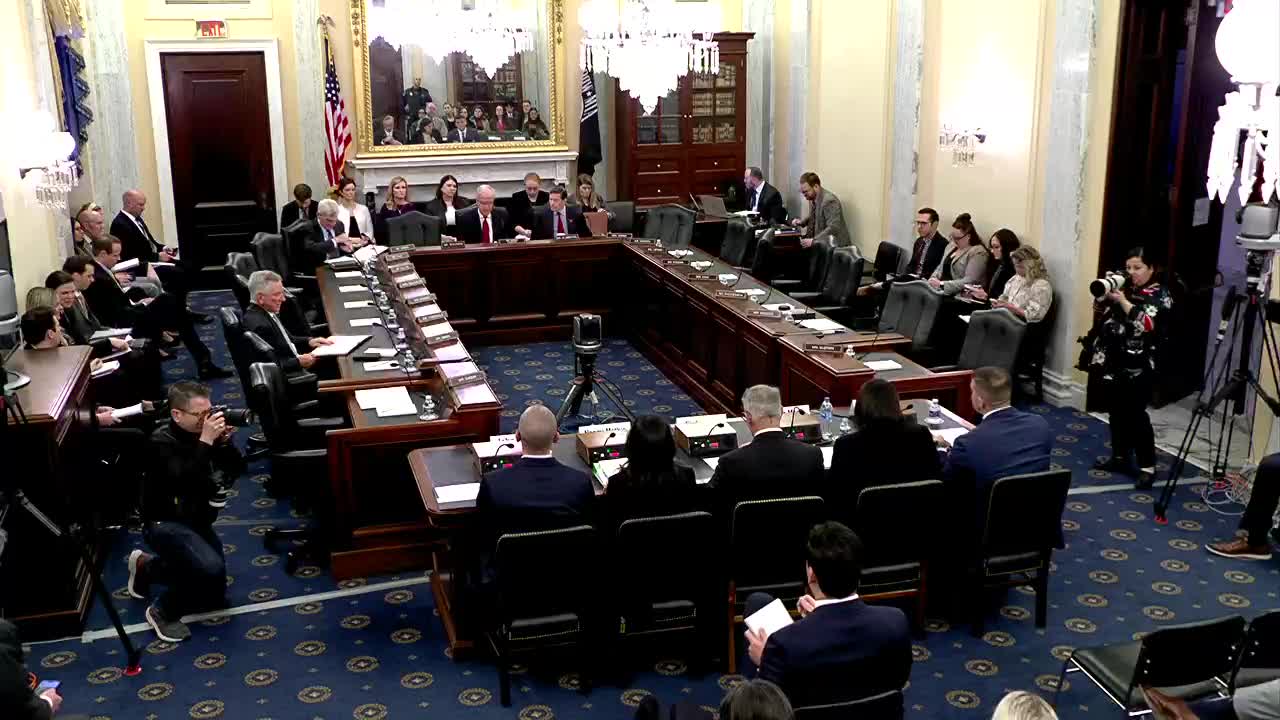
At a Senate Veterans’ Affairs Committee hearing, veterans, family members and advocates described repeated delays and denials in the Department of Veterans Affairs’ community care program under the VA MISSION Act, saying those failures have left some veterans without timely mental‑health or residential treatment.

Eric Golnick, a U.S. Navy veteran and co‑founder of Forage Health, told the committee that although he saw a psychiatrist “relatively quickly,” it “took over a year to see a therapist,” and “for someone with a mental health or substance use disorder, the window to intervene is often just days.” Golnick said inconsistent implementation across Veterans Integrated Service Networks (VISNs) and VA medical centers (VAMCs) creates administrative delays that can endanger veterans.

The hearing included detailed family testimony. Paige Marge, the wife of Air Force veteran Charles Marg, described repeated unsuccessful attempts to get her husband longer‑term counseling and inpatient residential care. Marge said Charlie “waited 6 to 8 weeks for the referral to be processed” on multiple occasions and that the VA only authorized “no more than 12 visits” with a counselor each time. She recounted that on March 1, 2023, her husband “sat in his truck in the VA clinic parking lot and attempted to overdose on his medication.” Marge said an outside nonprofit, Wounded Warrior Project, arranged and paid for six weeks of residential treatment at Sierra Tucson after the VA denied a residential referral.

Witnesses from veterans service organizations described systemwide barriers beyond individual cases. Naomi Mathis, Assistant National Legislative Director for Disabled American Veterans, told senators that the Mission Act’s access standards are “clear” but said VA employees are not consistently educated about veterans’ rights to community care and that scheduling and billing delays remain common. Mathis also raised problems with health‑record interoperability: VA struggles to transmit records to community providers and to integrate returned records into the VHA electronic health record, which she said contributes to scheduling and continuity problems.

Jim Lorraine, president and CEO of America’s Warrior Partnership, emphasized that community care can be “a vital tool for veterans, particularly those who don’t trust the VA,” but said community referrals are implemented inconsistently. John Eaton, vice president for complex care at Wounded Warrior Project, told the committee his organization often pays donor dollars to secure faster community placements when VA referrals stall, and urged that access standards be extended to residential rehabilitation treatment programs (RRTPs) used for substance‑use and PTSD care.

Committee members probed several recurring themes: lack of standardized referral and approval procedures; inadequate education of veterans and VA staff about community care options; gaps in clinical training expectations for community providers; and workforce shortages that limit both VA and private‑sector capacity. Ranking Member Richard Blumenthal said the VA and private systems “must be complimentary, not competitive,” and urged bipartisan fixes.

Witnesses and senators offered near‑term policy fixes the committee might consider, including codifying Mission Act access standards in statute or regulation, requiring community providers to meet veteran‑specific training (military culture, suicide prevention, trauma‑informed care), extending access standards to residential programs, improving electronic records transfers, and conducting stronger oversight so clinical referral decisions reflect “what is in the best medical interest of the veteran,” as lawmakers said the Mission Act intended.

The hearing produced no formal votes. Chairman Jerry Moran said he will introduce legislation with House counterpart Chairman Bost to “strengthen the Mission Act” and improve pathways to VA direct care and community providers; senators on both sides indicated interest in a bipartisan approach. Several witnesses said greater outreach and clearer SOPs across VISNs and VAMCs would reduce harmful variability and delay.

While witnesses praised aspects of the Mission Act and community partnerships, the testimony repeatedly underlined that for veterans in crisis, delays and fragmented care can have life‑or‑death consequences. Golnick summed that theme when he said, “Every delay risks a veteran’s well‑being and their life.”