Drought, auctioned slots and higher tolls cited as strains on Panama Canal service and U.S. shippers

2247017 ยท January 28, 2025

Get AI-powered insights, summaries, and transcripts

Subscribe
AI-Generated Content: All content on this page was generated by AI to highlight key points from the meeting. For complete details and context, we recommend watching the full video. so we can fix them.

Summary

Federal Maritime Commission officials and industry witnesses told a Senate committee that 2023 drought-related restrictions, draft limits and auctioning of transit slots reduced capacity and raised costs; witnesses described a drop in allowed daily transits and cited sharp increases in canal revenue from auctioned fees.

Federal Maritime Commission officials and shipping industry leaders told a Senate Commerce Committee hearing that drought-driven draft restrictions and a practice of auctioning transit slots contributed to reduced canal capacity and higher shipping costs for U.S. importers and exporters.

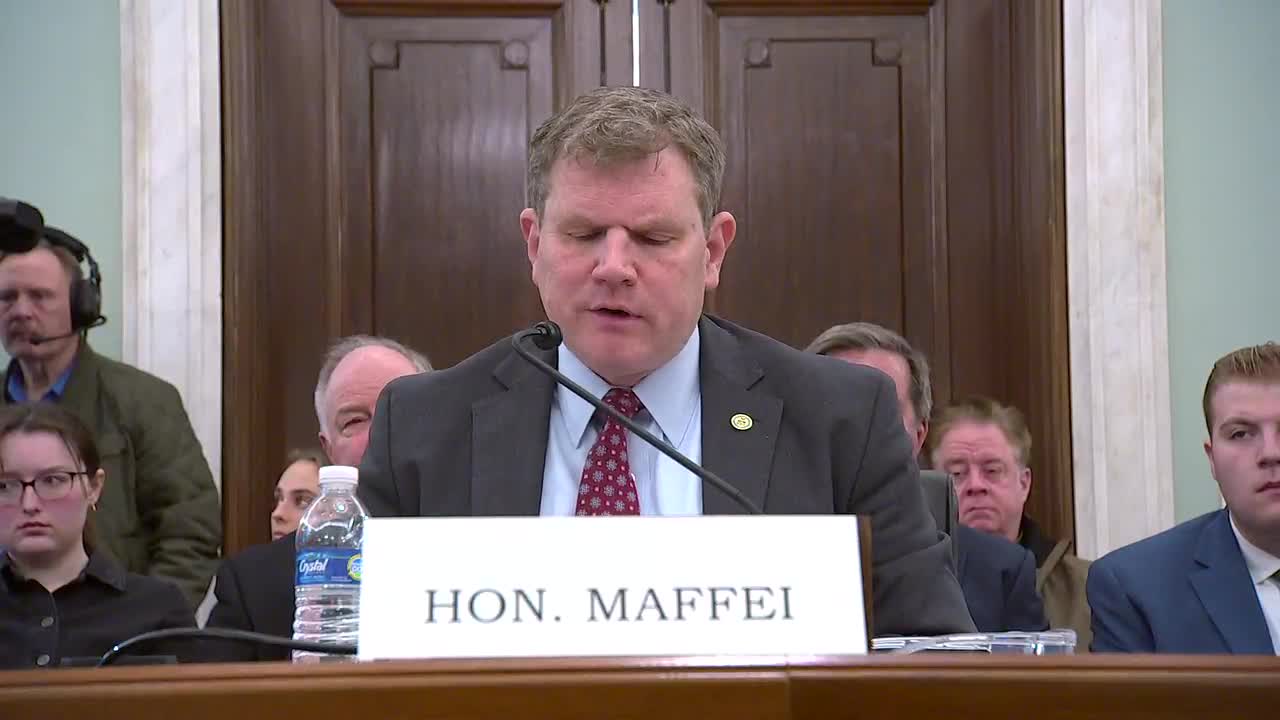
"Prolonged drought conditions last year forced operational changes, reducing transit slots, restricting vessel types, and auctioning of slots," Commissioner Daniel Maffei said, describing how the canal employed draft restrictions and reduced the number of ships allowed to transit per day. Joe Kramick, president and CEO of the World Shipping Council, told senators that low water levels reduced transits from roughly 36 per day to as low as 22 and required lower allowable drafts, which in turn forced carriers to carry fewer containers.

Witnesses said the auctioning of slots gave some ships the ability to "skip the queue" by paying for earlier transit, and they reported large revenue gains for the canal during the period of constrained transits. Federal Maritime Commission witnesses said they found complaints from shippers and that canal revenues rose markedly in recent years, which members tied to the increased sale of priority transit slots. Commissioner Luis Sola said canal revenue increases were driven in part by higher fees and auctioning, while Maffei and Kramick described consequences for containerized and bulk cargoes.

Industry witnesses quantified operational effects. Kramick said the draft limits led to a roughly 10% reduction in import volumes to some Gulf and East Coast ports overall and a 26.7% reduction at the Port of Houston during the low-water period. Maffei noted that Panama's rainy season in 2024 restored more normal operations but warned it is likely "at least 1 more period of reduced transits will occur before" mitigations are fully implemented. Witnesses described potential infrastructure responses, including proposed freshwater storage projects being studied with the U.S. Army Corps of Engineers.

Senators pressed the commission and industry on remedies for shippers, the fairness of slot-auction rules and options to bring greater U.S. investment or competitive bidding to port projects. The Federal Maritime Commission said it continues to investigate complaints and can exercise statutory authorities if it determines foreign practices have created conditions unfavorable to U.S. shipping, but witnesses urged additional U.S. diplomacy and investment to address long-term resilience and competition.